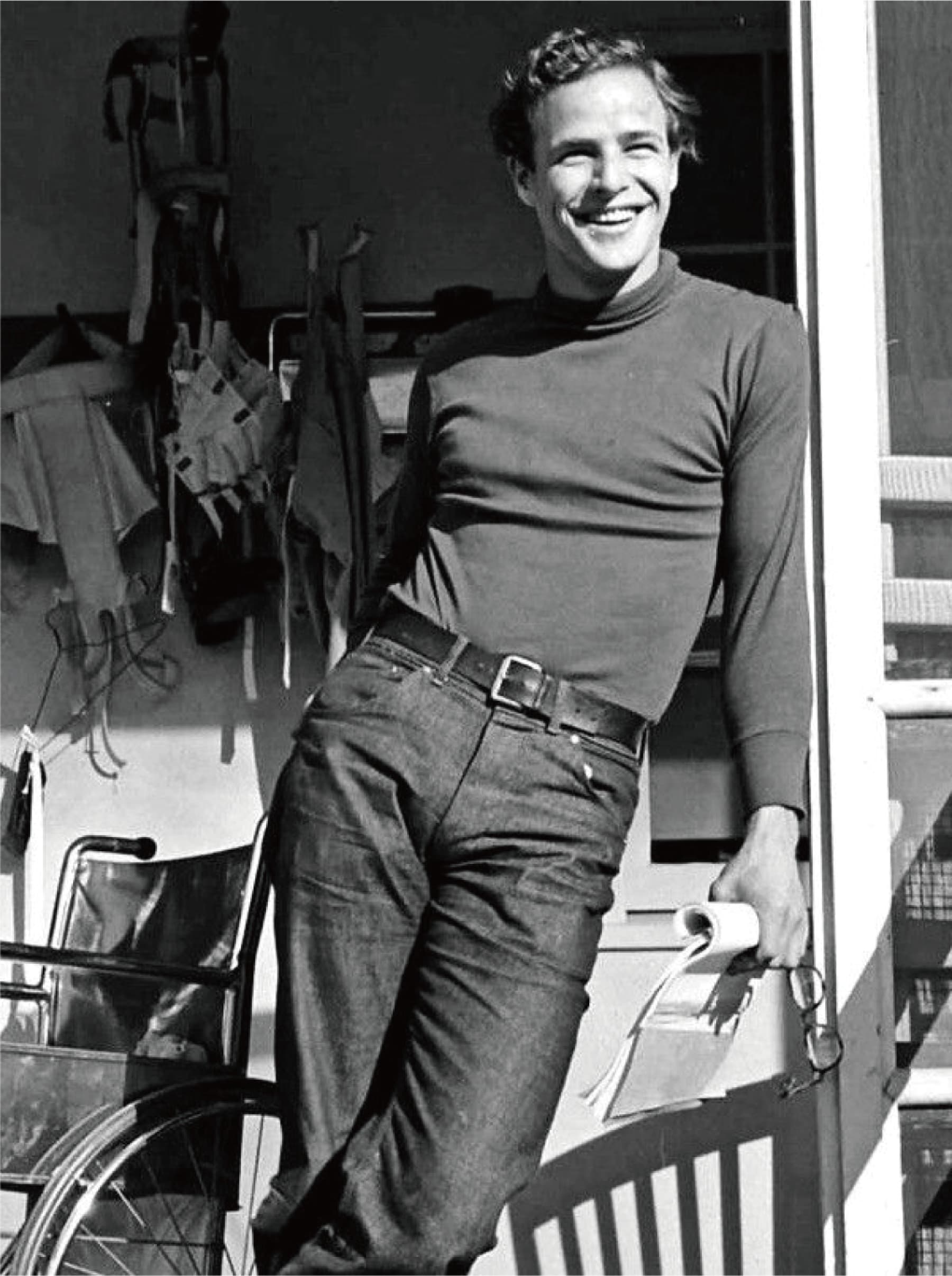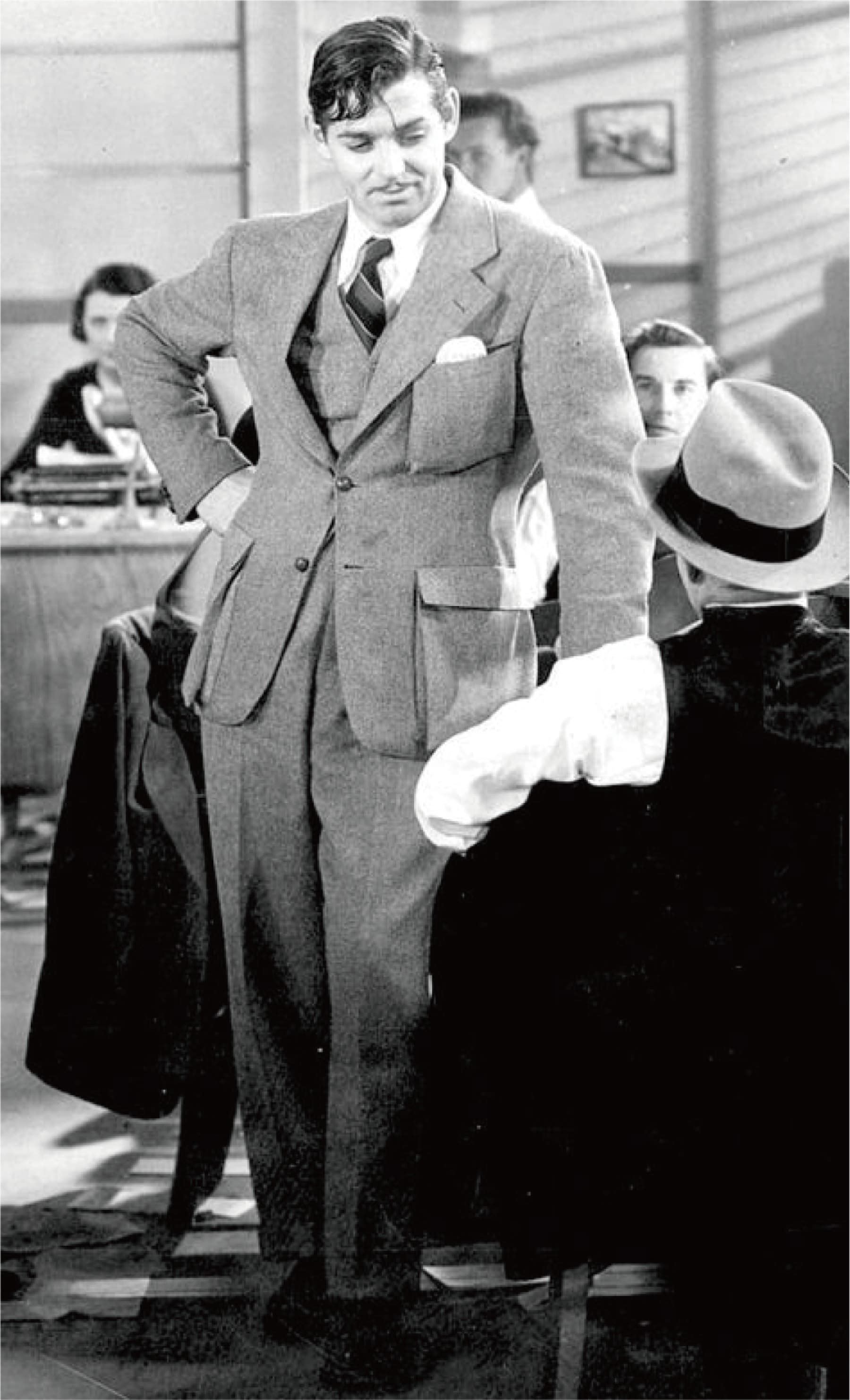
THE POCKETS
A pocket rarely asks for attention, yet it has always been one of the most useful details in clothing. Its history follows the changing relationship between the body and the objects carried close to it. From small pouches attached to belts to pockets hidden within coats and waistcoats, the need to carry money, watches, tools, or letters gradually became part of the construction of the garment itself. What was once separate from clothing became something built into it.
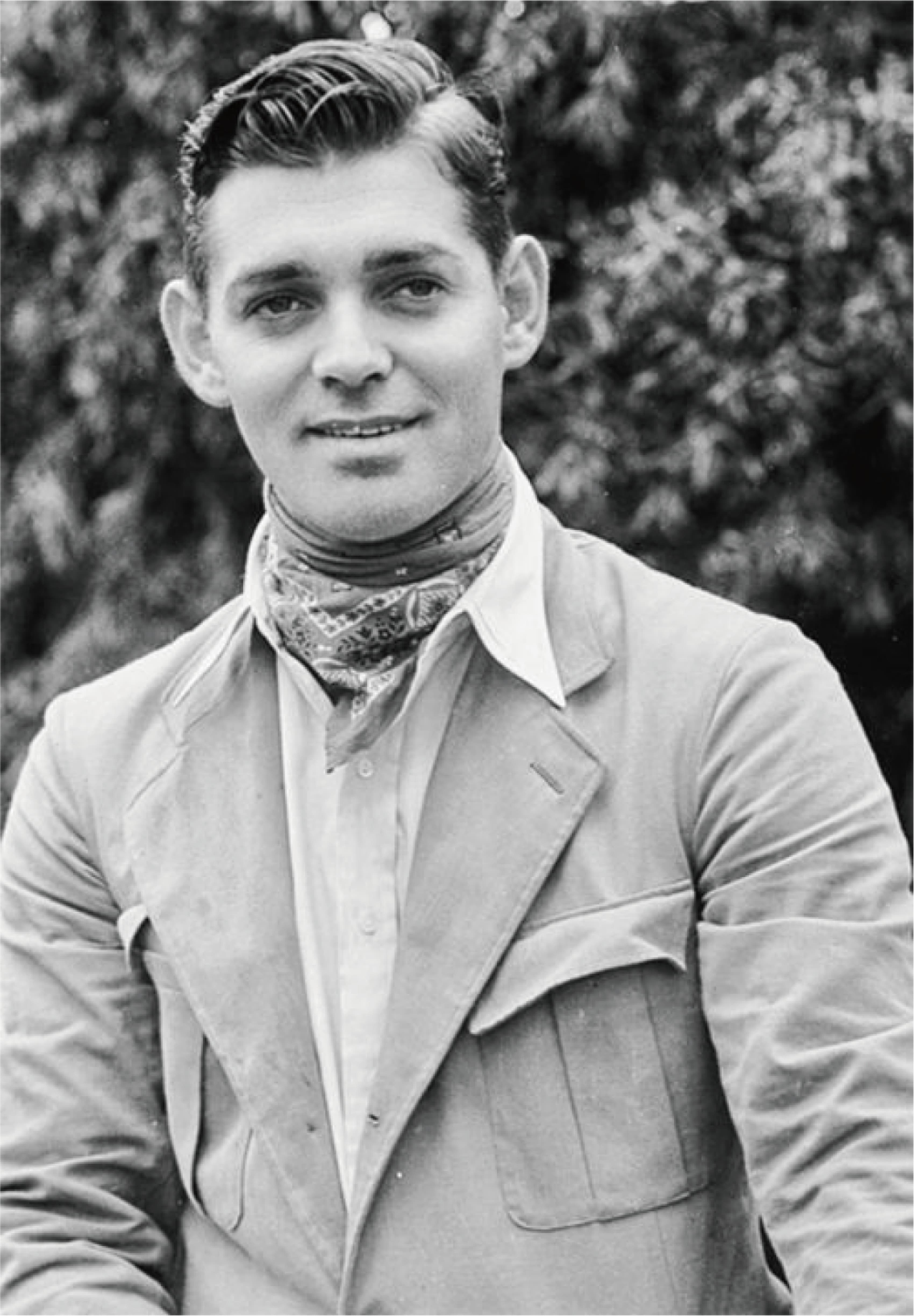
In tailoring, the pocket is never only practical. Its placement can alter the balance of a jacket, while its opening and shape can quietly define the character of a suit. A welt pocket gives a clean and restrained appearance; a patch pocket feels more relaxed and informal. The choice of fabric matters, too. A soft flannel may allow a pocket to settle naturally into the surface, while a firmer wool can hold a sharper edge and emphasize the structure of the garment. Even the smallest opening can change the way a jacket moves and sits on the body.
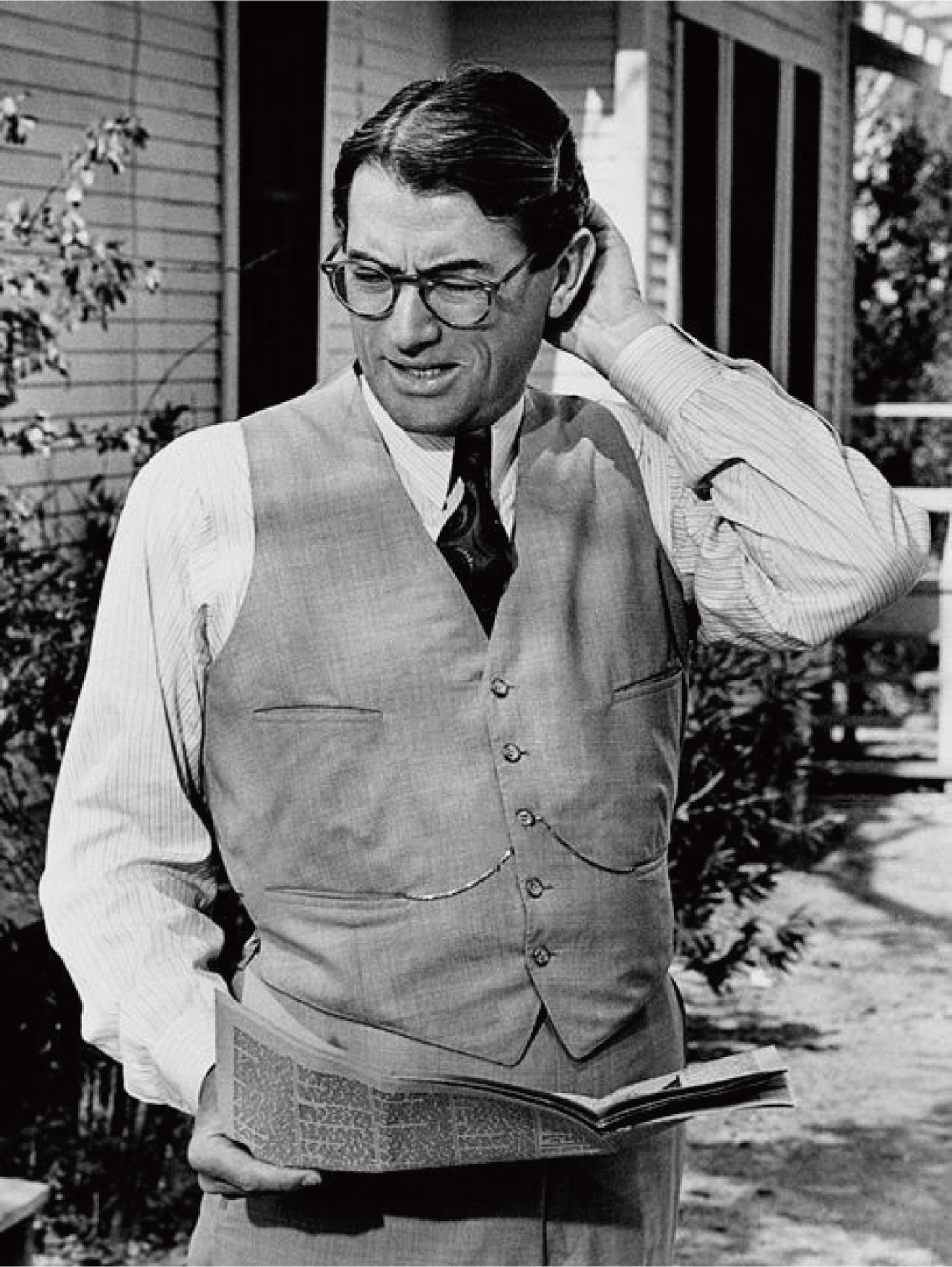
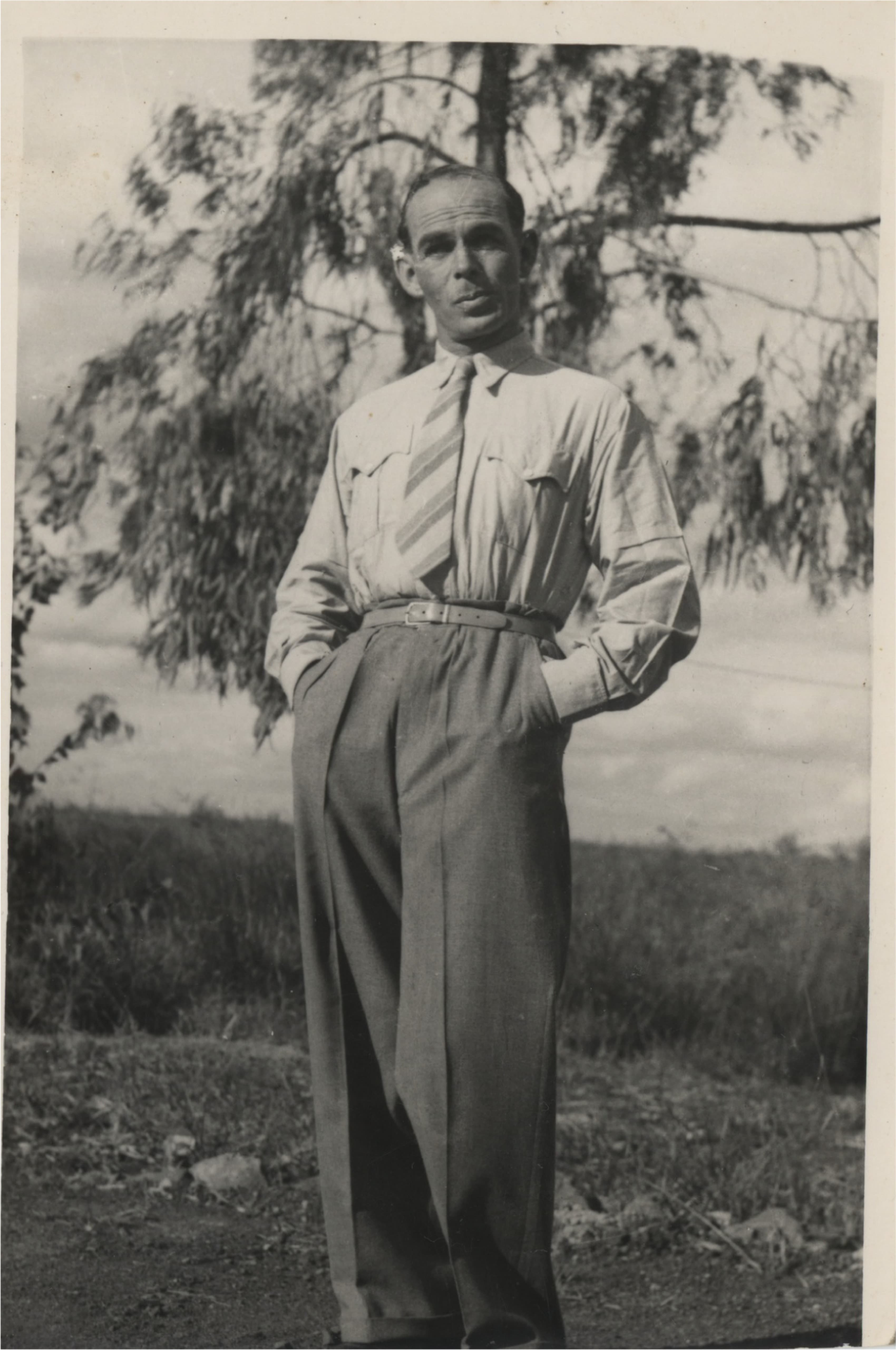
The position of a pocket can also reveal the purpose of the garment itself. A deep pocket on a work coat suggests movement and utility, while the discreet pockets of a formal jacket preserve a cleaner silhouette. In military clothing, field jackets, and workwear, pockets grew larger and more numerous as clothing adapted to the practical demands of everyday life. In contrast, traditional tailoring often kept them carefully proportioned, allowing function to exist without disturbing the line of the garment.
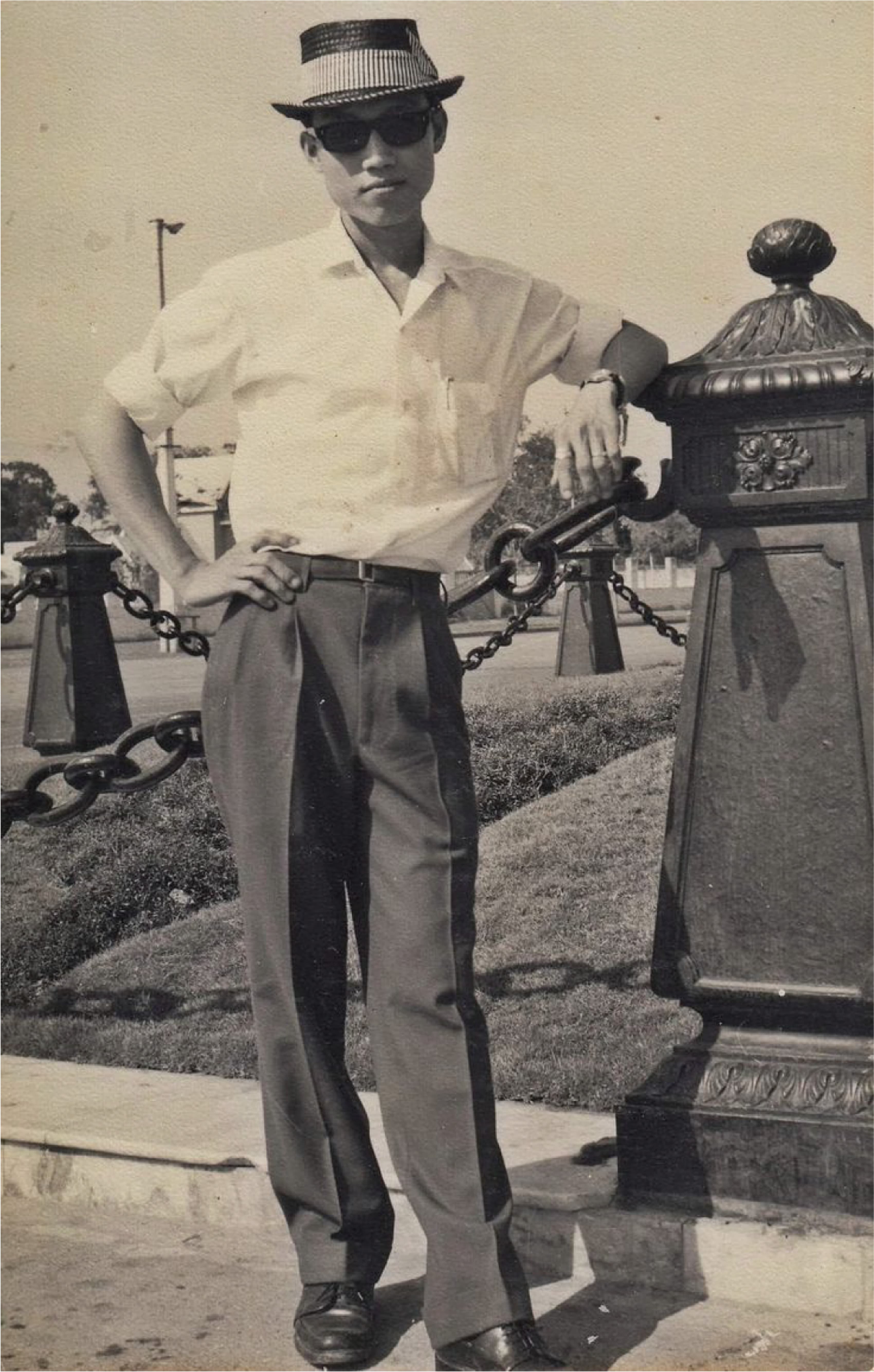
Perhaps this is why pockets have remained so persistent in fashion. They belong to the space between necessity and design, where everyday function becomes part of a garment's identity. Whether concealed inside a formal coat or exposed on a work jacket, the pocket carries more than its contents. It reveals how a garment was intended to be worn, what kind of movement it allows, and how closely clothing is connected to the life lived inside it.