THE HISTORY OF LEG OPENINGS
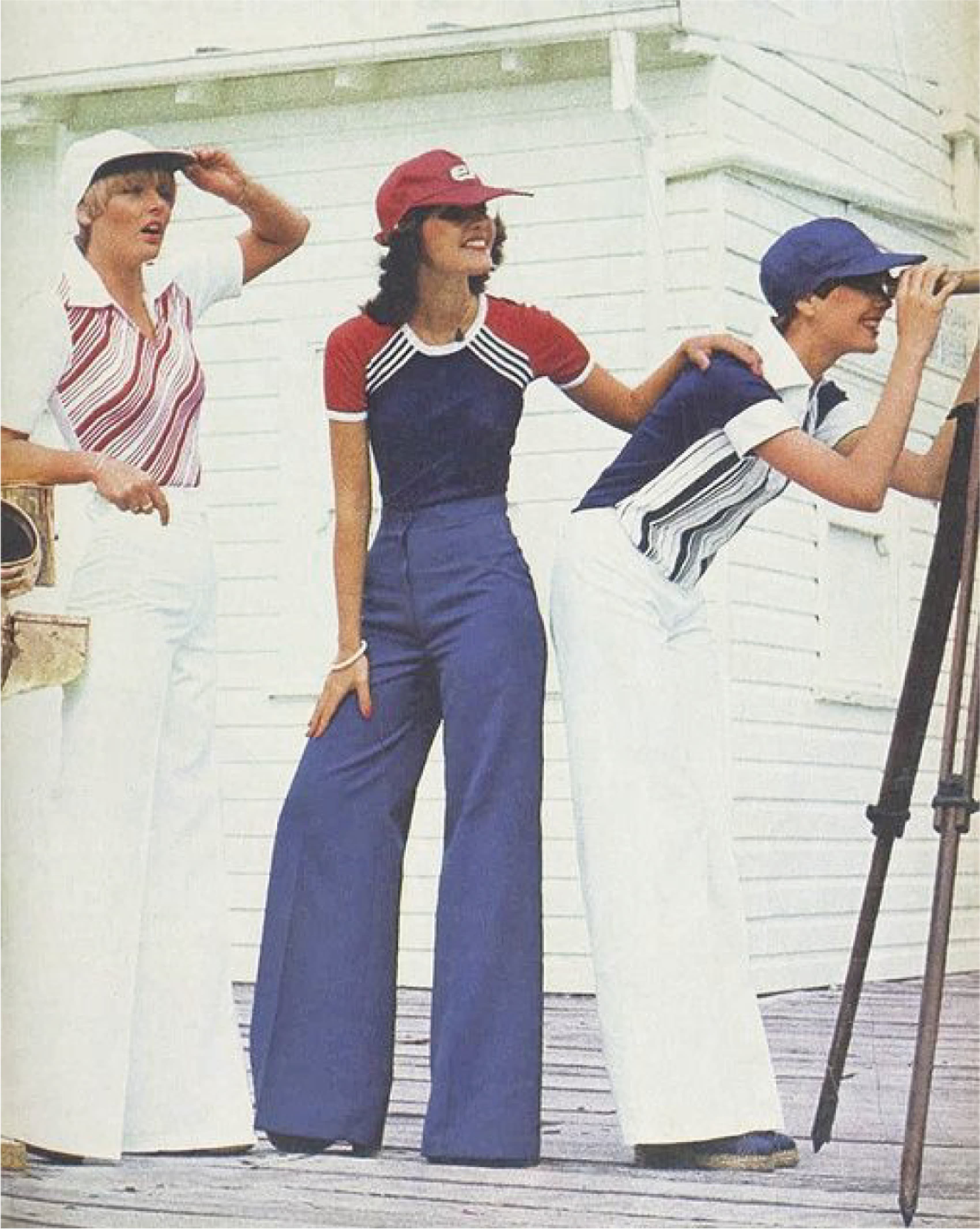
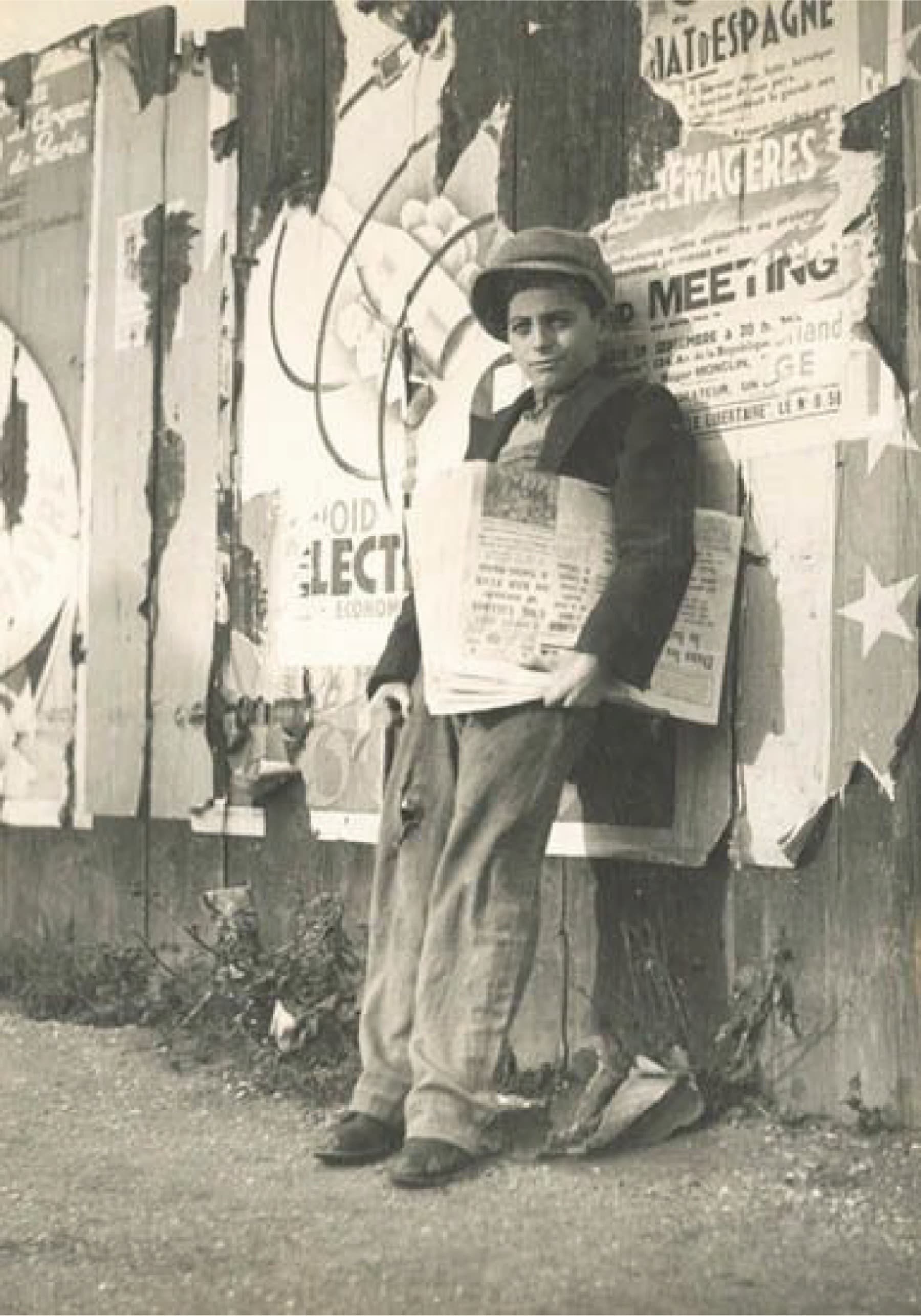
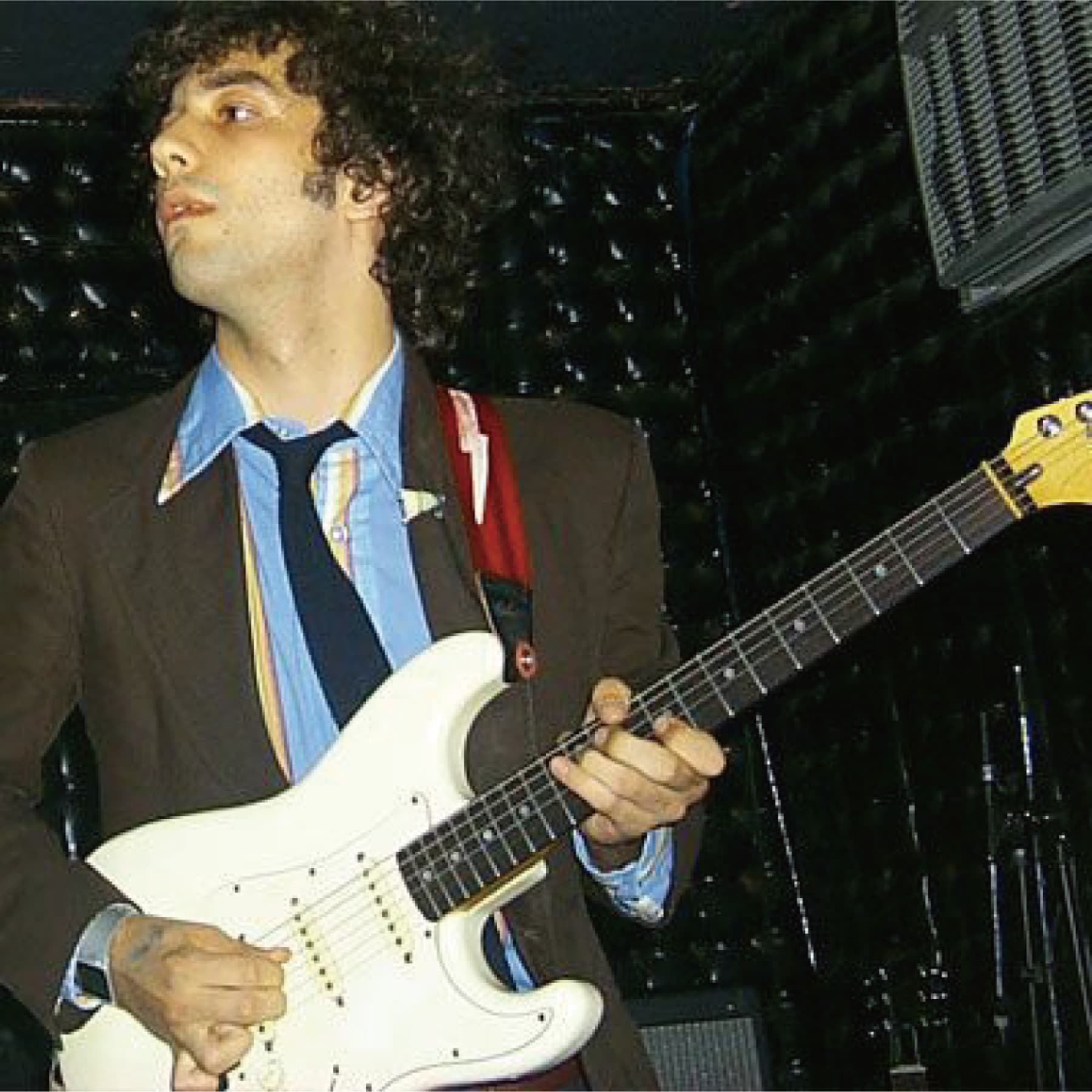
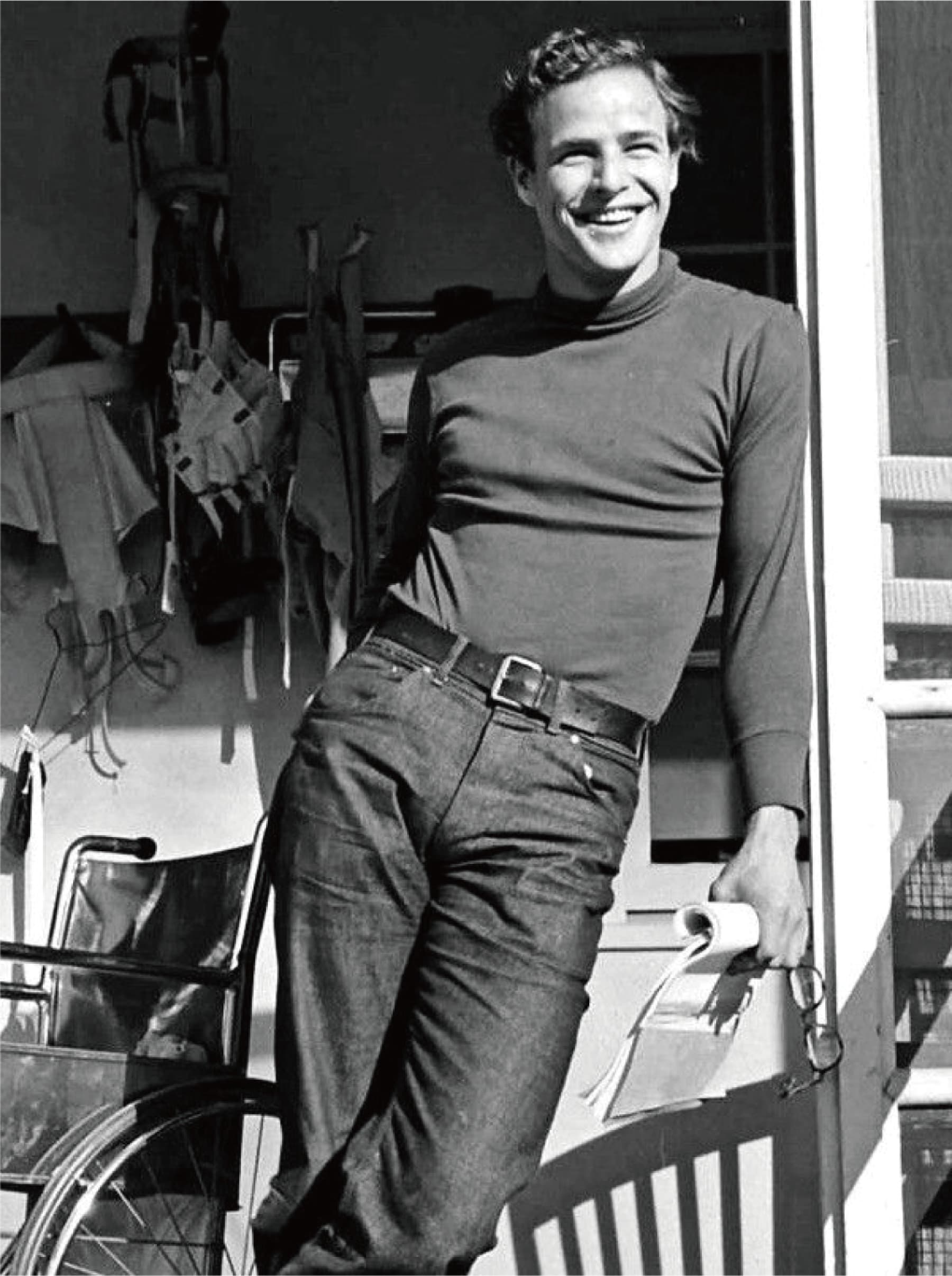
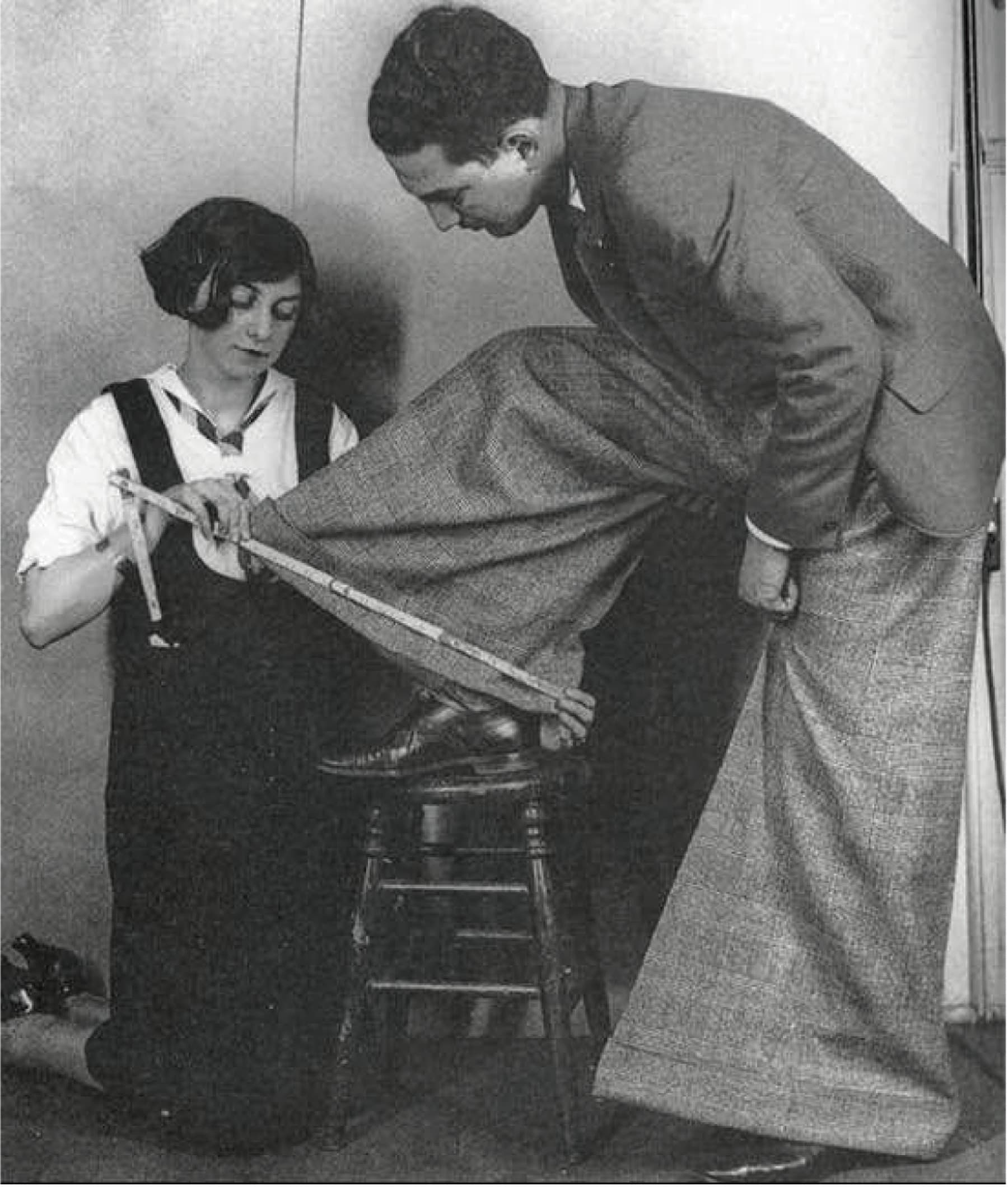
Wide-leg trousers have long represented freedom, movement, and a different understanding of proportion. From traditional tailoring to modern fashion, their generous silhouette offers comfort while creating a distinctive sense of presence. During the early and mid-20th century, wider trousers became an essential part of classic tailoring, their relaxed drape and generous volume reflecting a refined confidence that stood apart from more restrictive silhouettes.
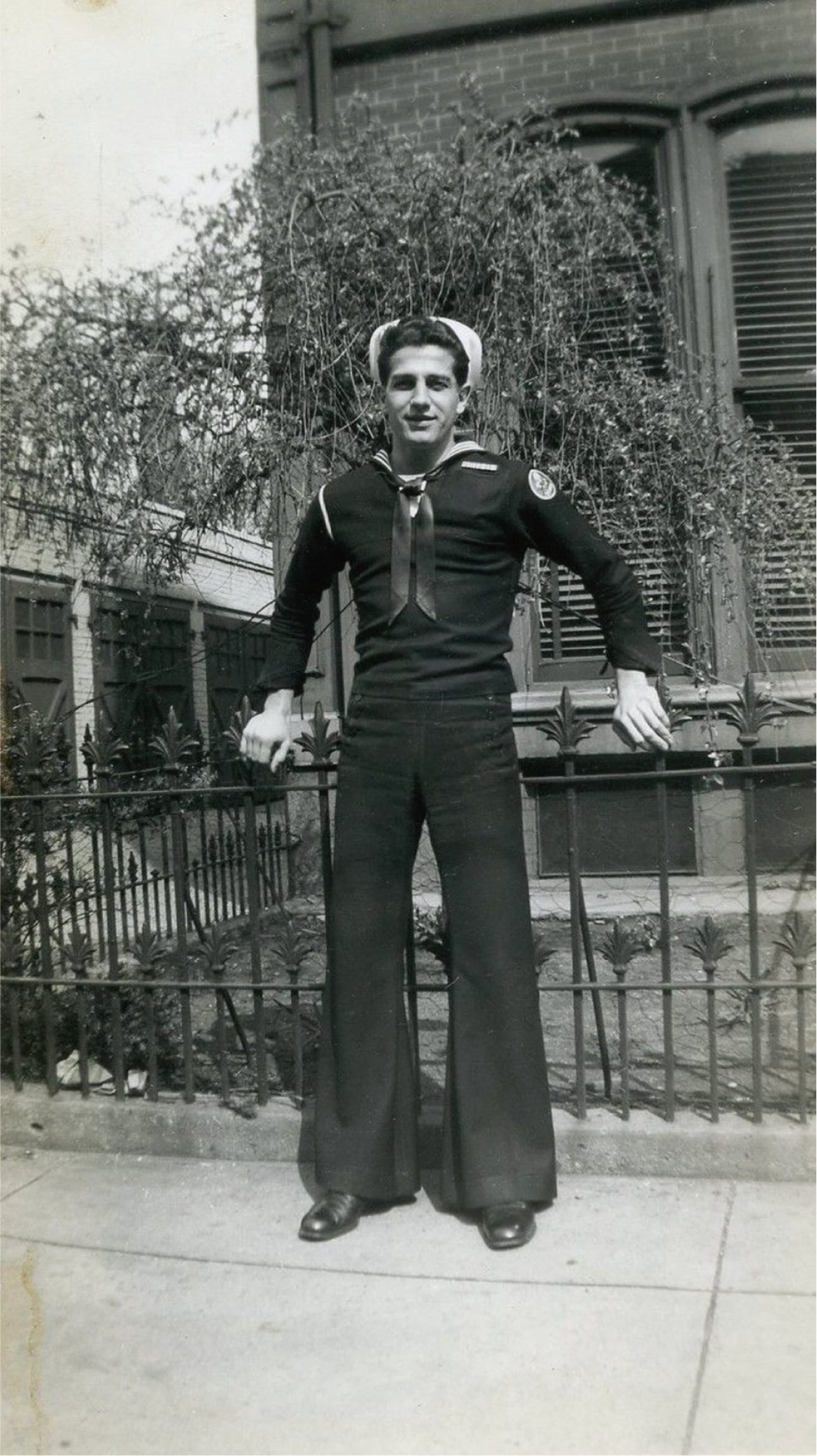
The beauty of wide-leg trousers lies not simply in their width, but in the balance of the entire garment. The relationship between the waist, rise, thigh, and hem opening must be carefully considered to create a harmonious shape. When proportion is right, volume feels intentional rather than excessive, allowing the silhouette to move naturally while maintaining the precision expected of fine tailoring.
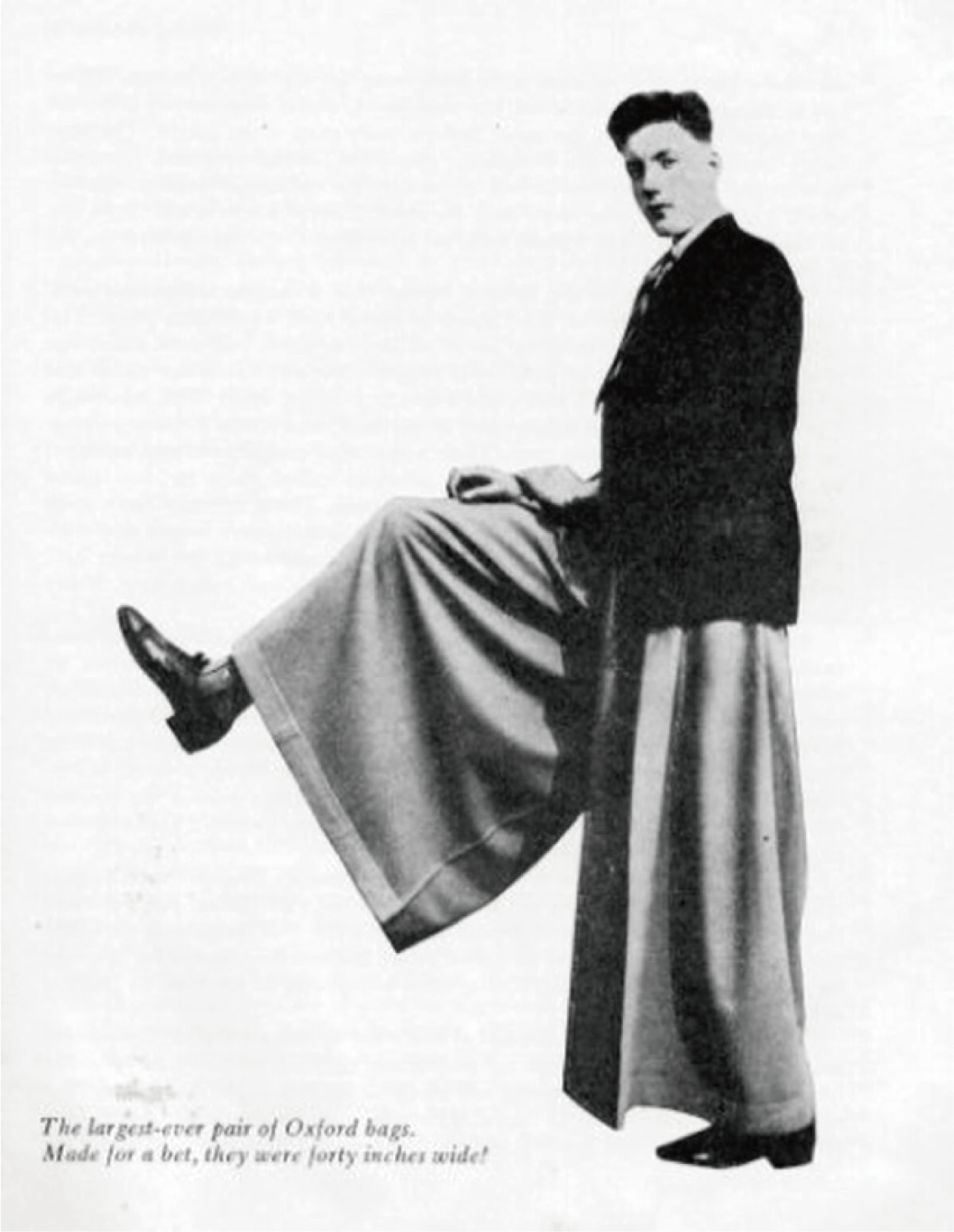
Fabric plays an equally important role in defining the character of a wide silhouette. Wool, flannel, and other fabrics with the right weight and drape can create natural volume that responds to the body with every step. The movement of the cloth becomes part of the design, giving the trousers a sense of fluidity and depth that cannot be achieved through cut alone. After years dominated by slim silhouettes, wide-leg trousers have returned with a renewed appreciation for comfort, movement, and proportion. While rooted in the language of classic tailoring, they continue to evolve through contemporary interpretations, balancing structure with ease. Their appeal lies in the idea that volume, when guided by thoughtful construction and the right material, can become a sophisticated expression of modern elegance.