SWANN AND HIS INSPIRATIONS
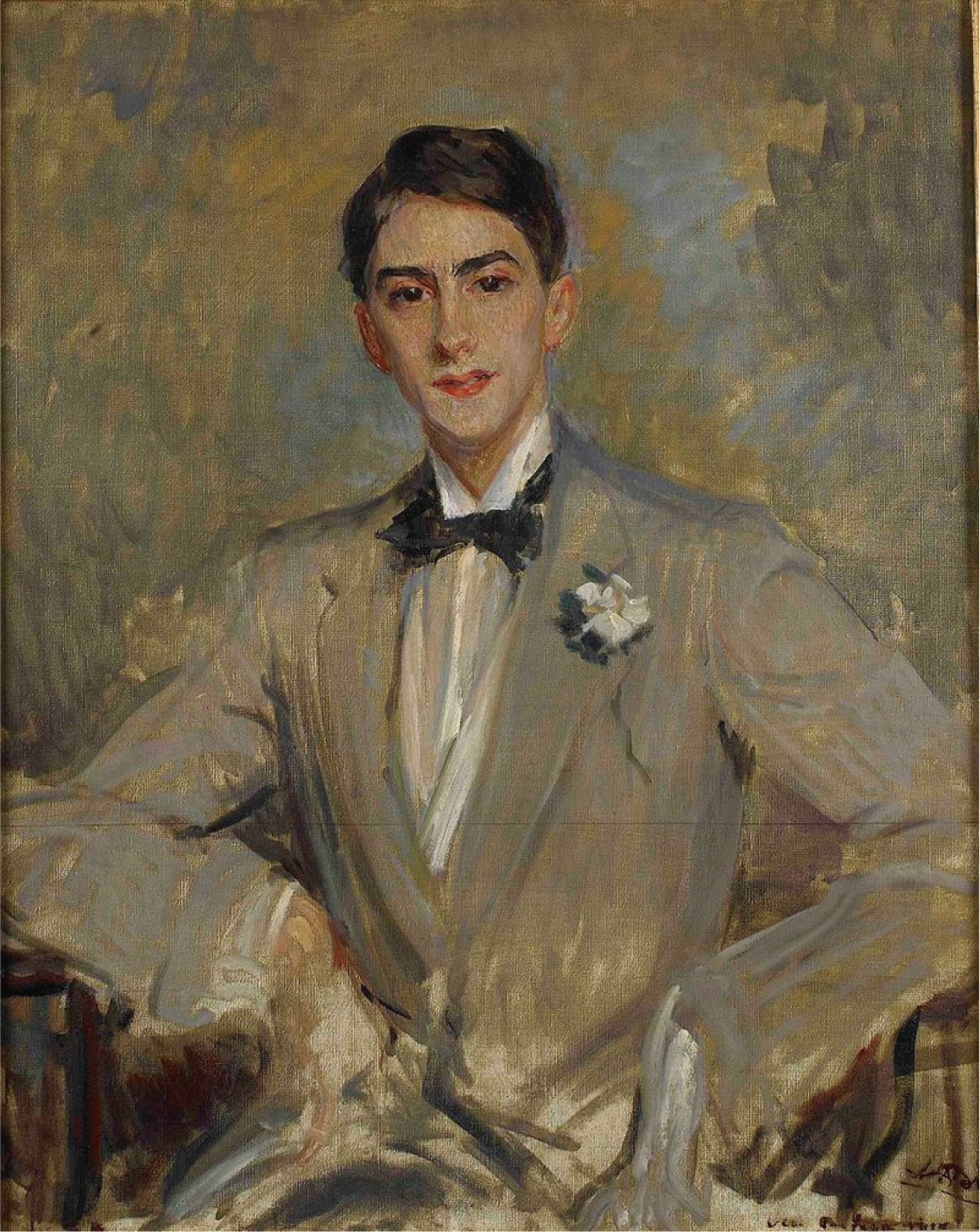
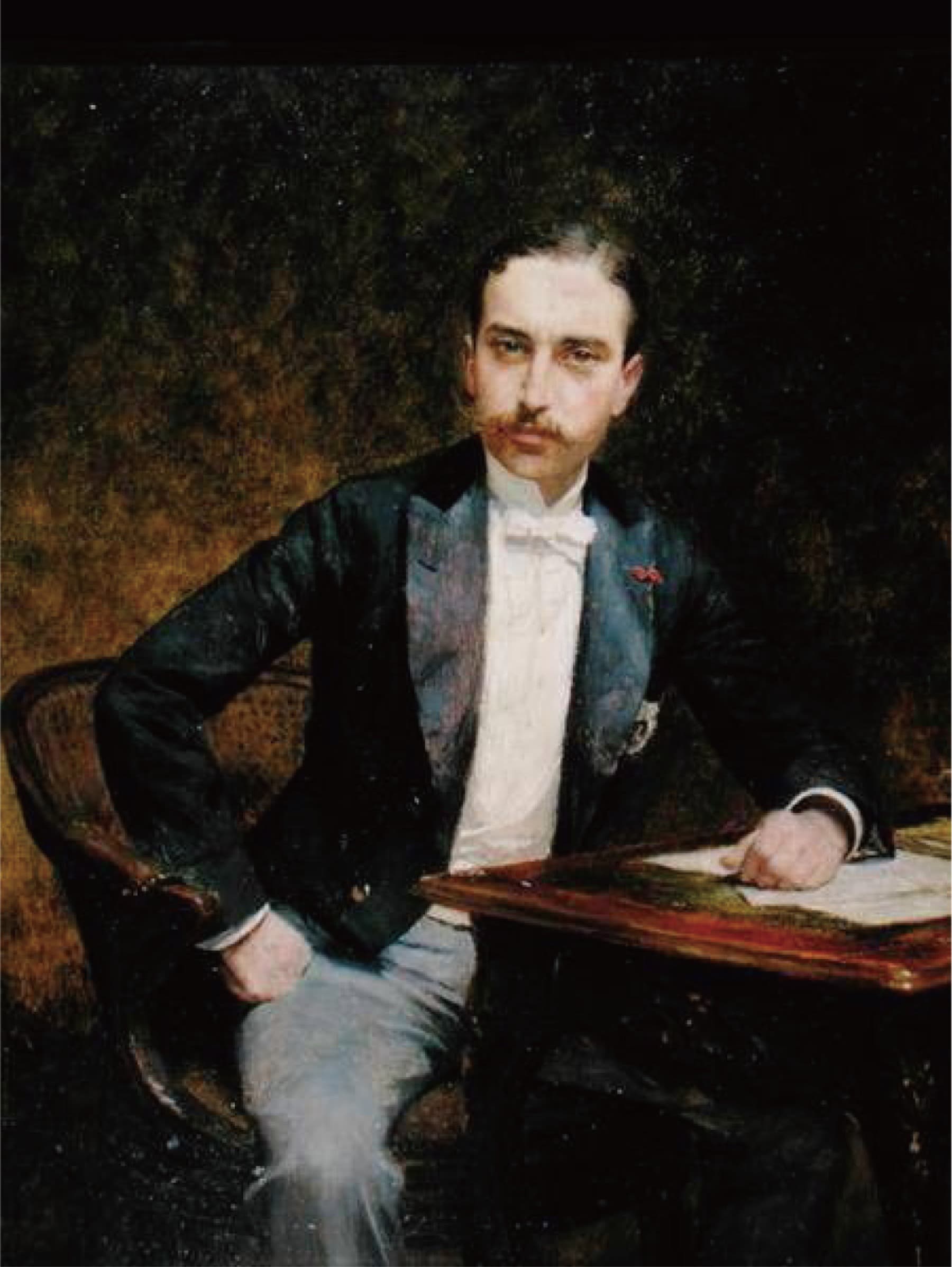
Charles Swann, the central figure of Marcel Proust’s In Search of Lost Time, represents a world where taste, culture, and personal style were closely intertwined. A cultivated gentleman and passionate art lover, Swann moved effortlessly between literature, music, painting, and high society, shaping an identity through the things he admired.
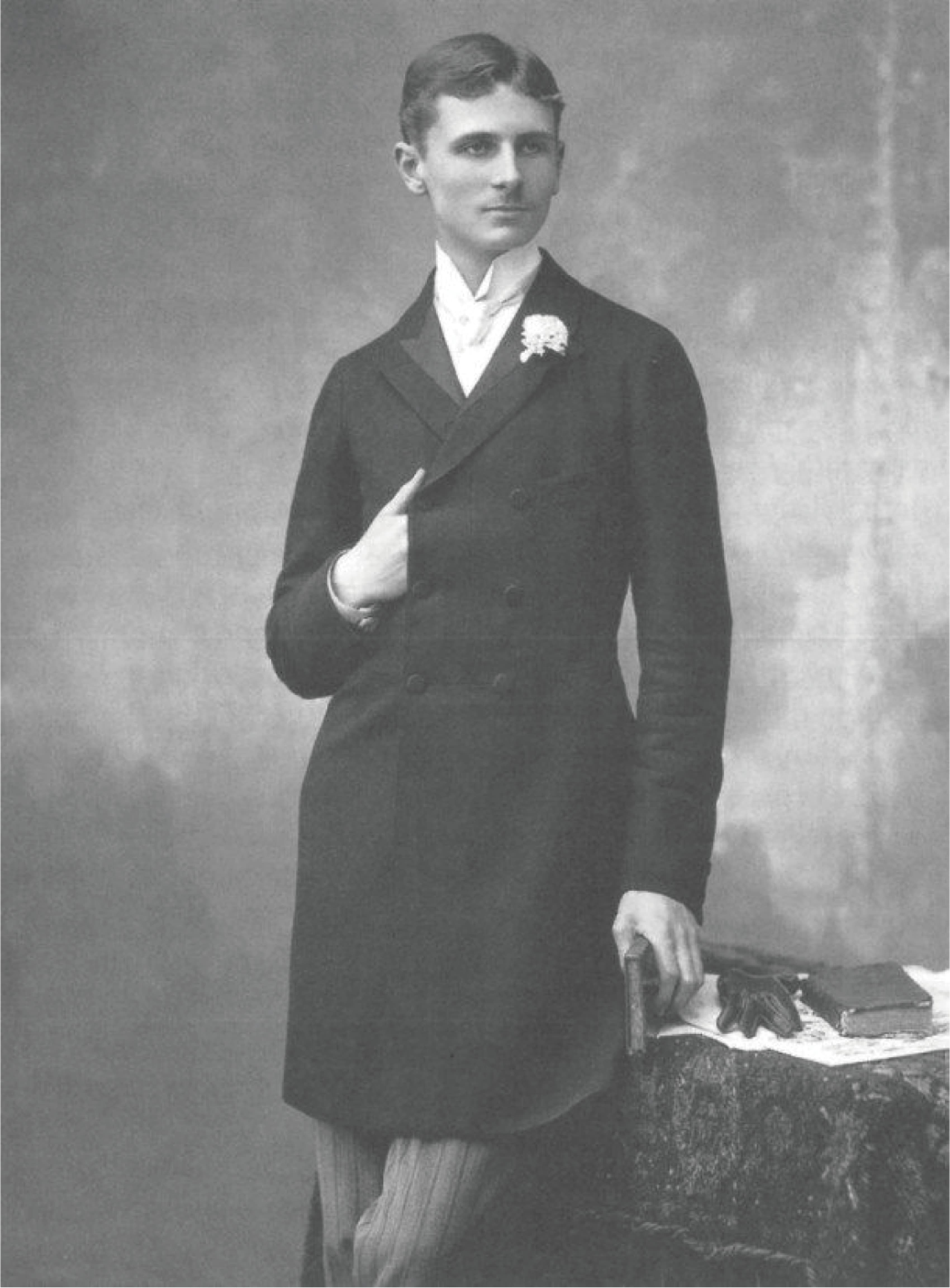
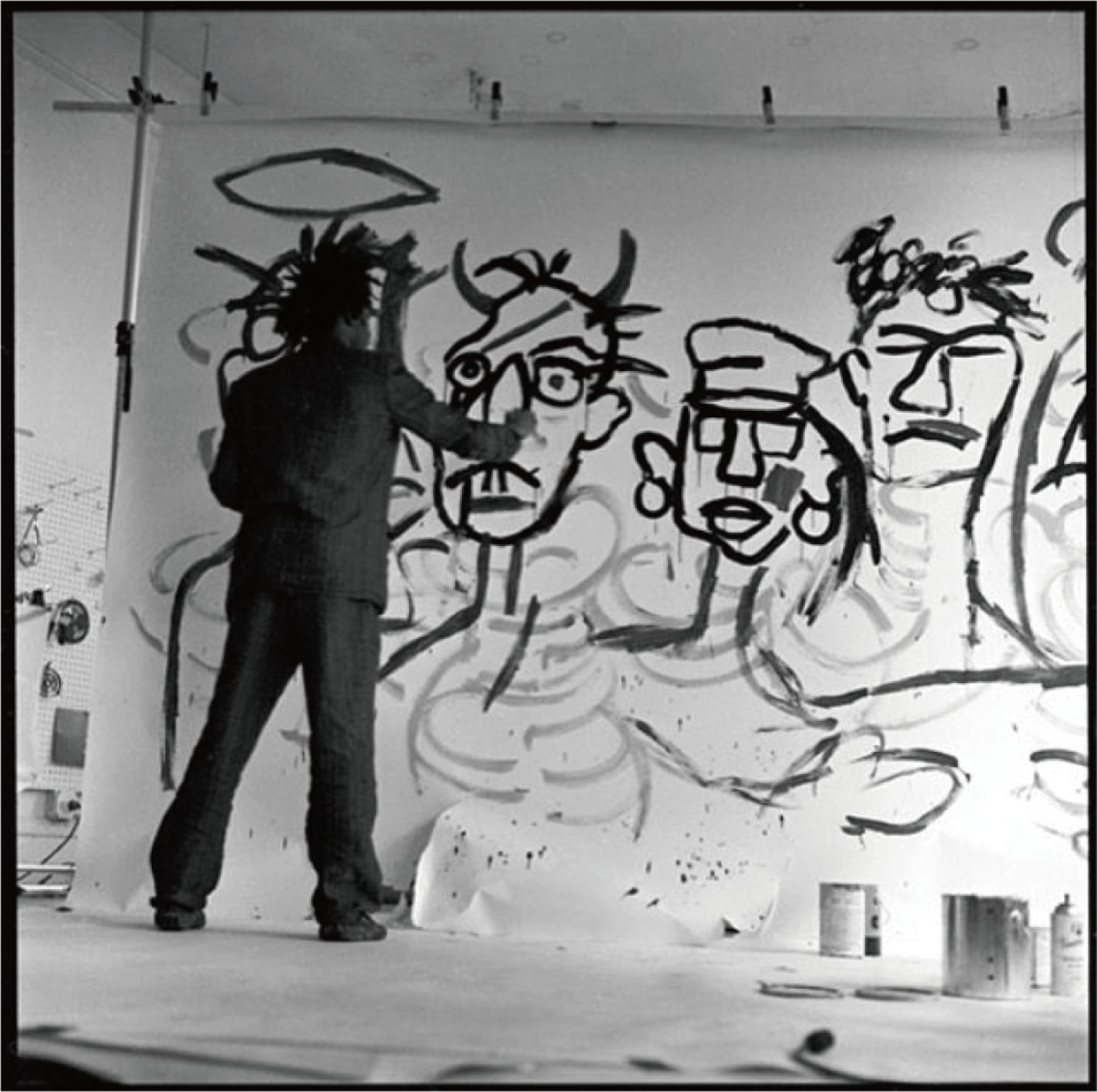
His inspirations were rooted in the refined culture of late nineteenth-century Europe. Japanese prints, Renaissance painting, classical music, and the decorative arts all influenced the way he viewed beauty. For Swann, art was not simply something to observe; it became part of everyday life, shaping his surroundings, conversations, and understanding of the world.
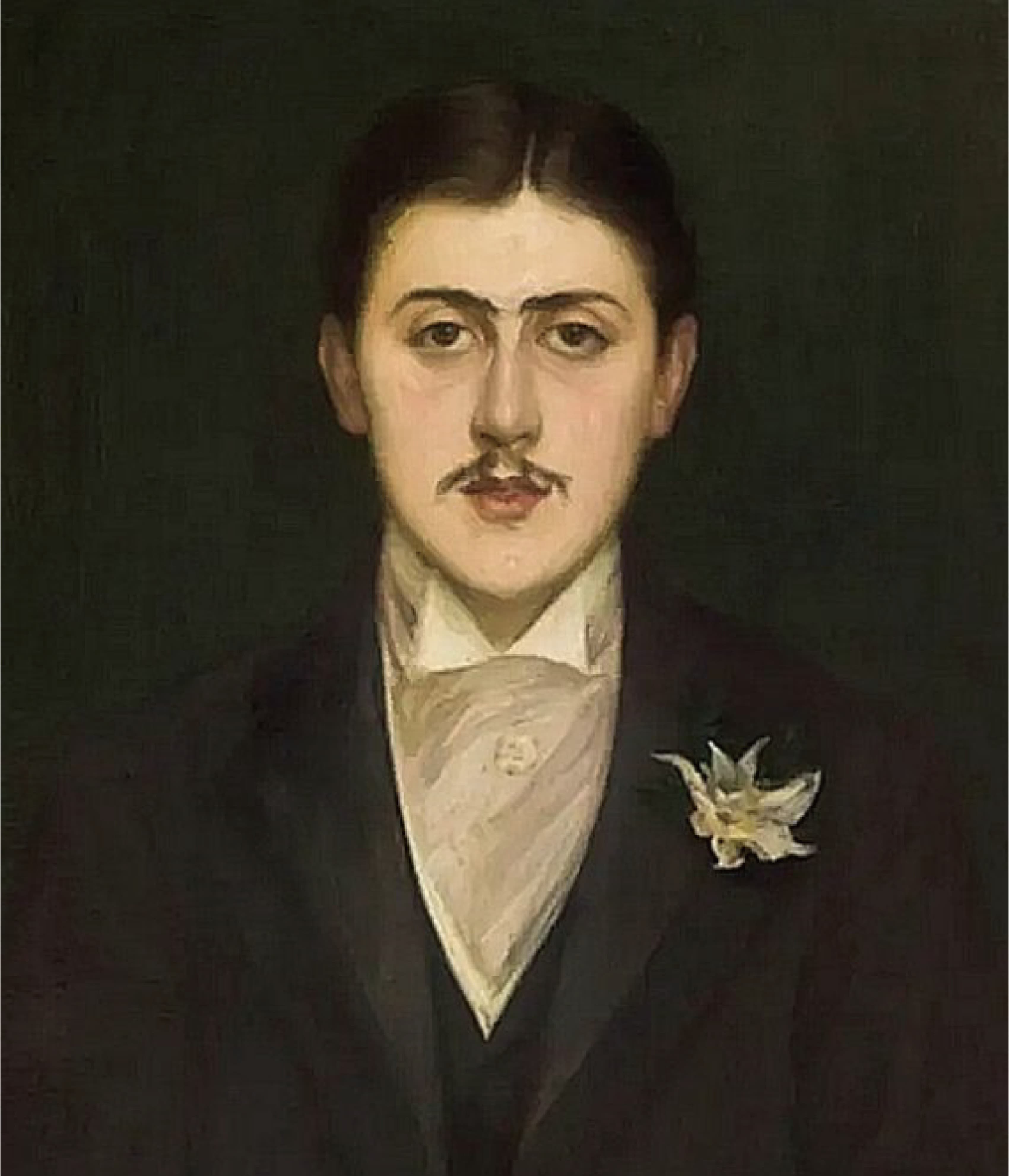
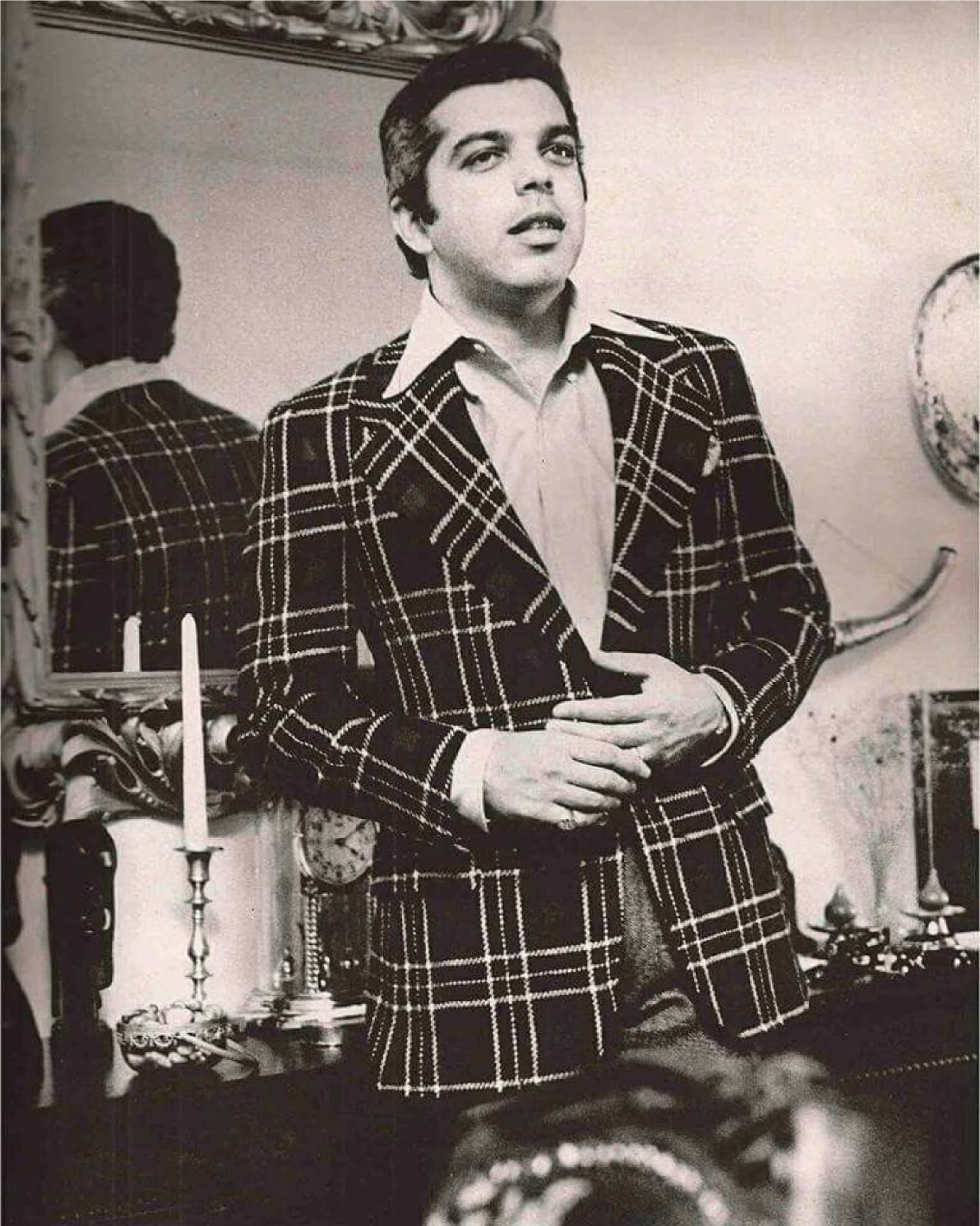
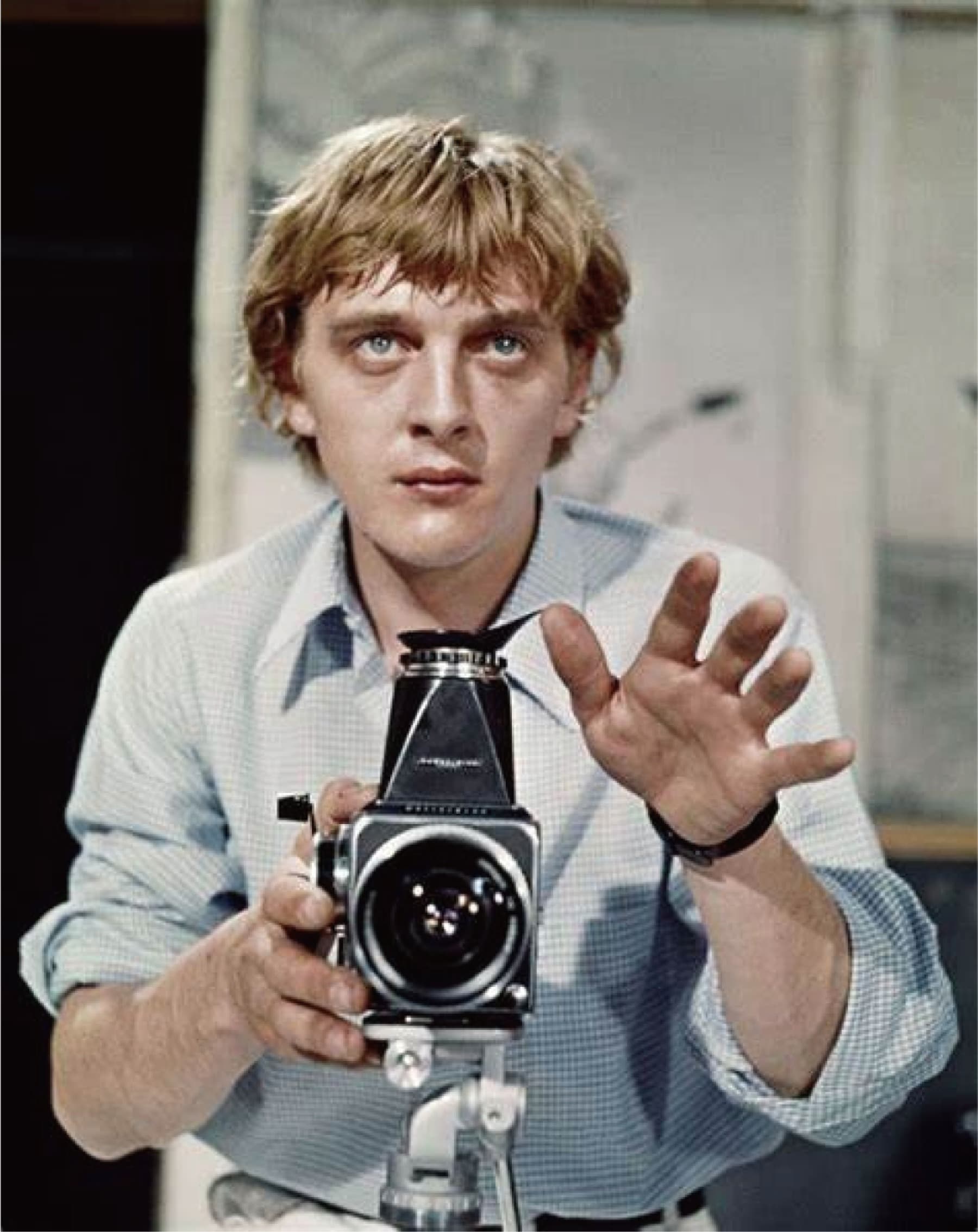
This cultivated sensibility was also reflected in his clothing. His style was never about excessive display, but about subtle details, fine materials, and a sense of proportion. Soft wool, textured tweed, fine cashmere, and carefully tailored coats expressed the same appreciation for quality and nuance found in his artistic interests. Swann reminds us that personal style can be shaped by more than fashion alone. Like a carefully assembled collection of art, clothing can reveal the influences, memories, and cultural references that define an individual. His world suggests that true refinement lies not in following a trend, but in developing a personal language through the things one chooses to appreciate.