STUDIO 54
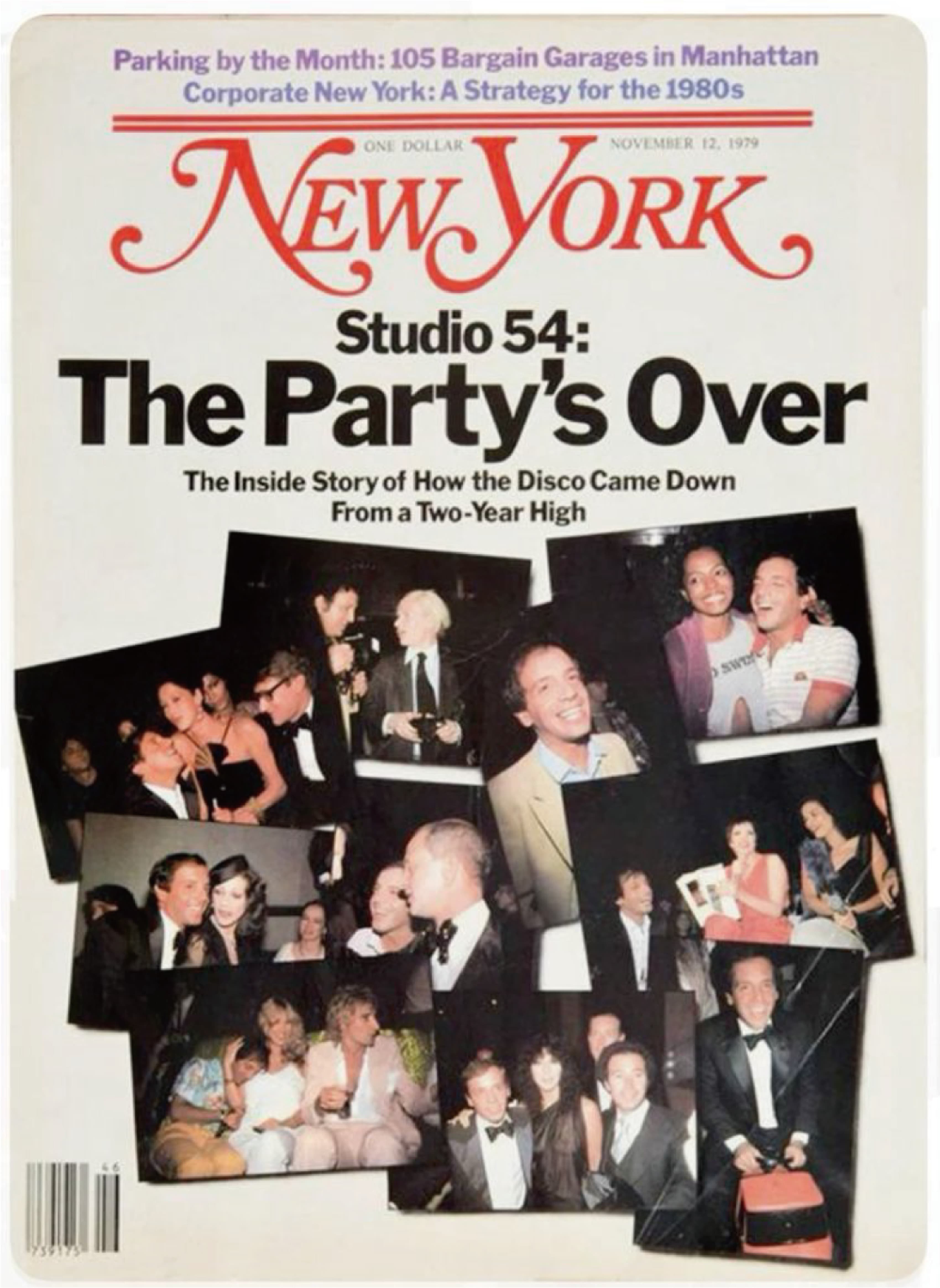
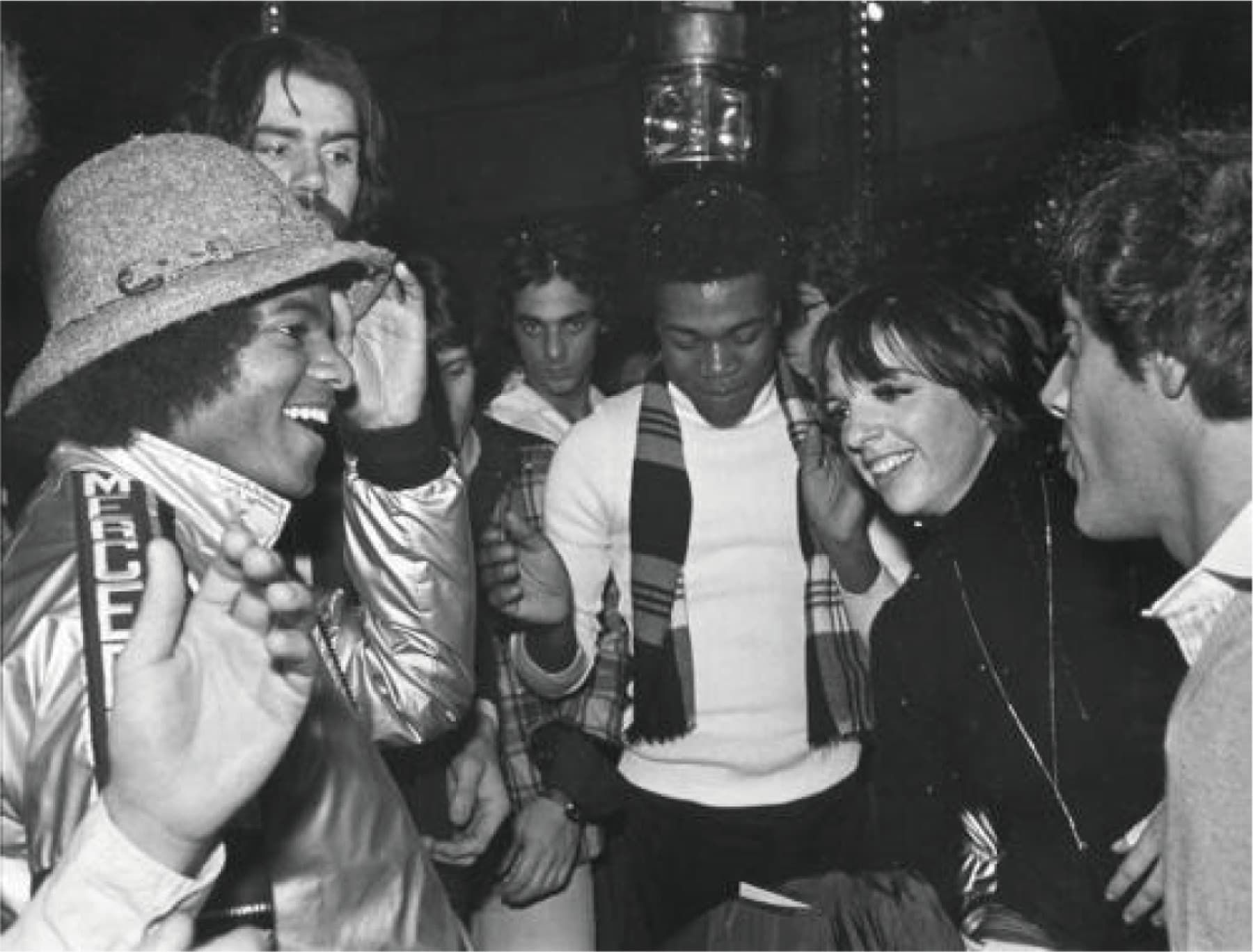
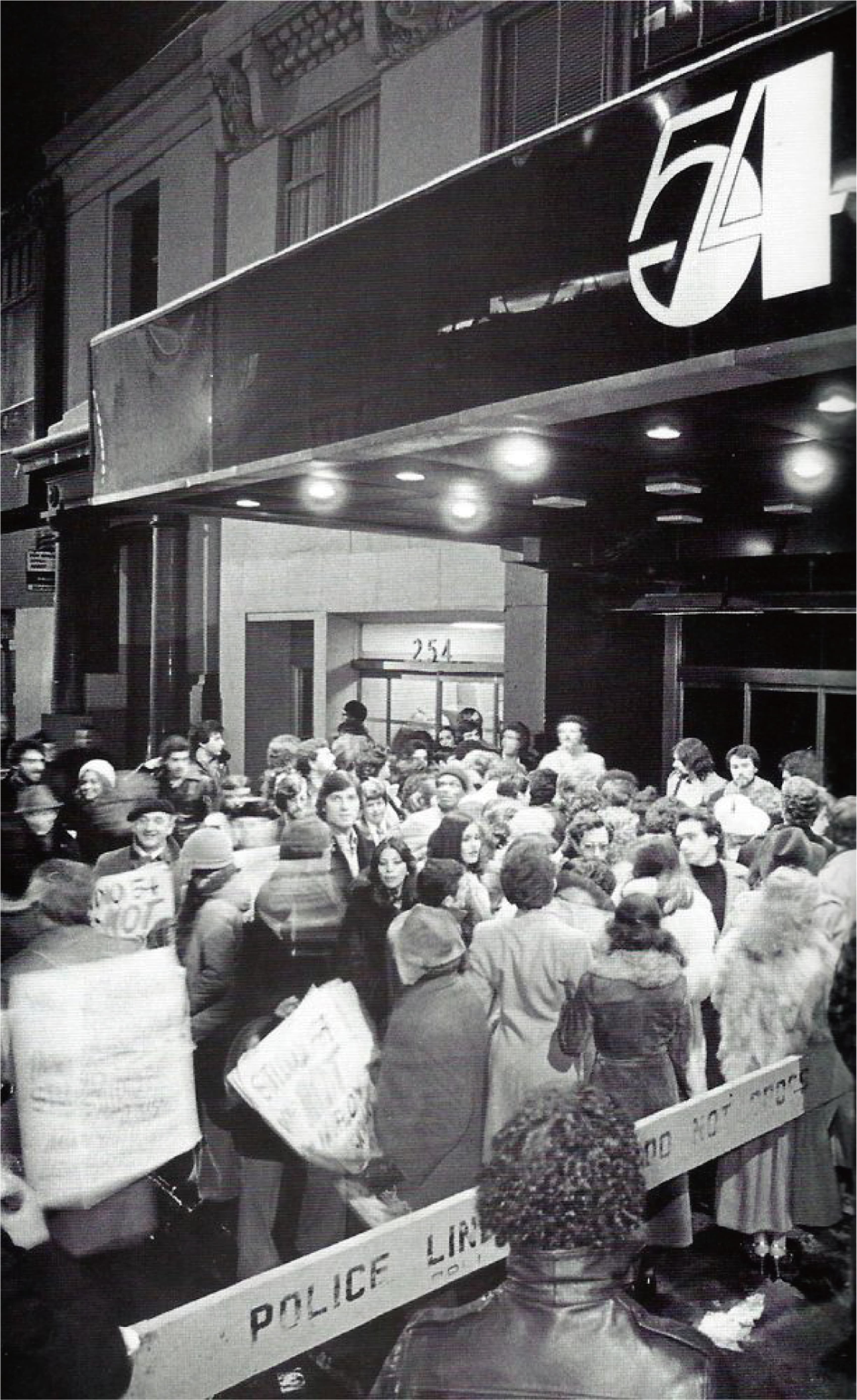
Opened in New York City in 1977, Studio 54 quickly became one of the most influential nightlife spaces of the late 1970s. More than a nightclub, it was a place where music, art, fashion, and different identities came together. Its atmosphere reflected a period of freedom and experimentation, creating a new cultural language through self-expression.

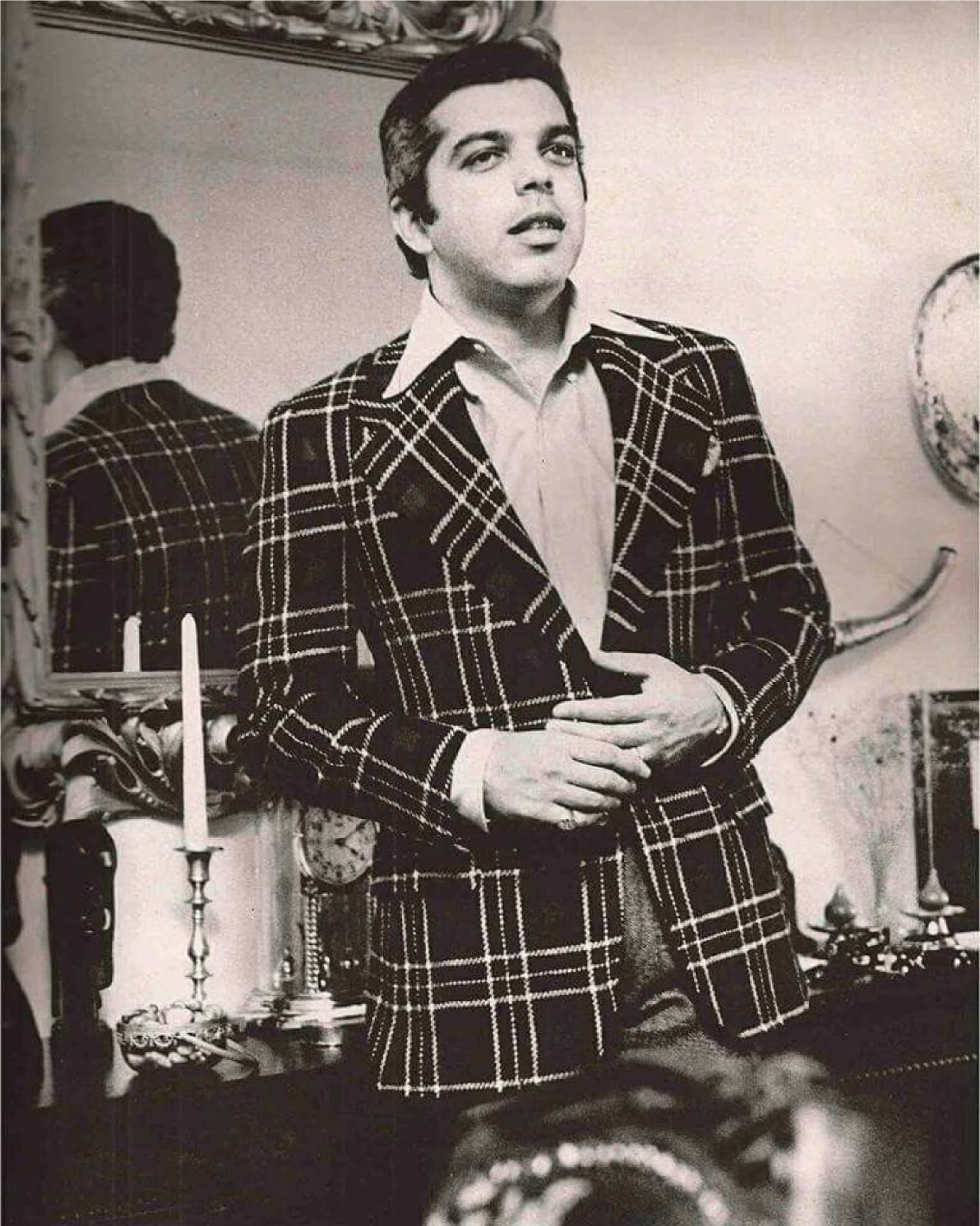
The style of this era was defined by confidence and individuality. Guests appeared in dramatic silhouettes, sparkling fabrics, tailored suits, flowing dresses, and bold accessories that challenged traditional ideas of evening wear. Clothing became a form of performance, where texture, movement, and shine helped create a personal image. Materials played an essential role in shaping the visual identity of the space. Sequins, velvet, silk, satin, and metallic surfaces captured the energy of the dance floor through light and movement. These fabrics transformed garments into expressive pieces, showing how texture and surface could communicate emotion and atmosphere.
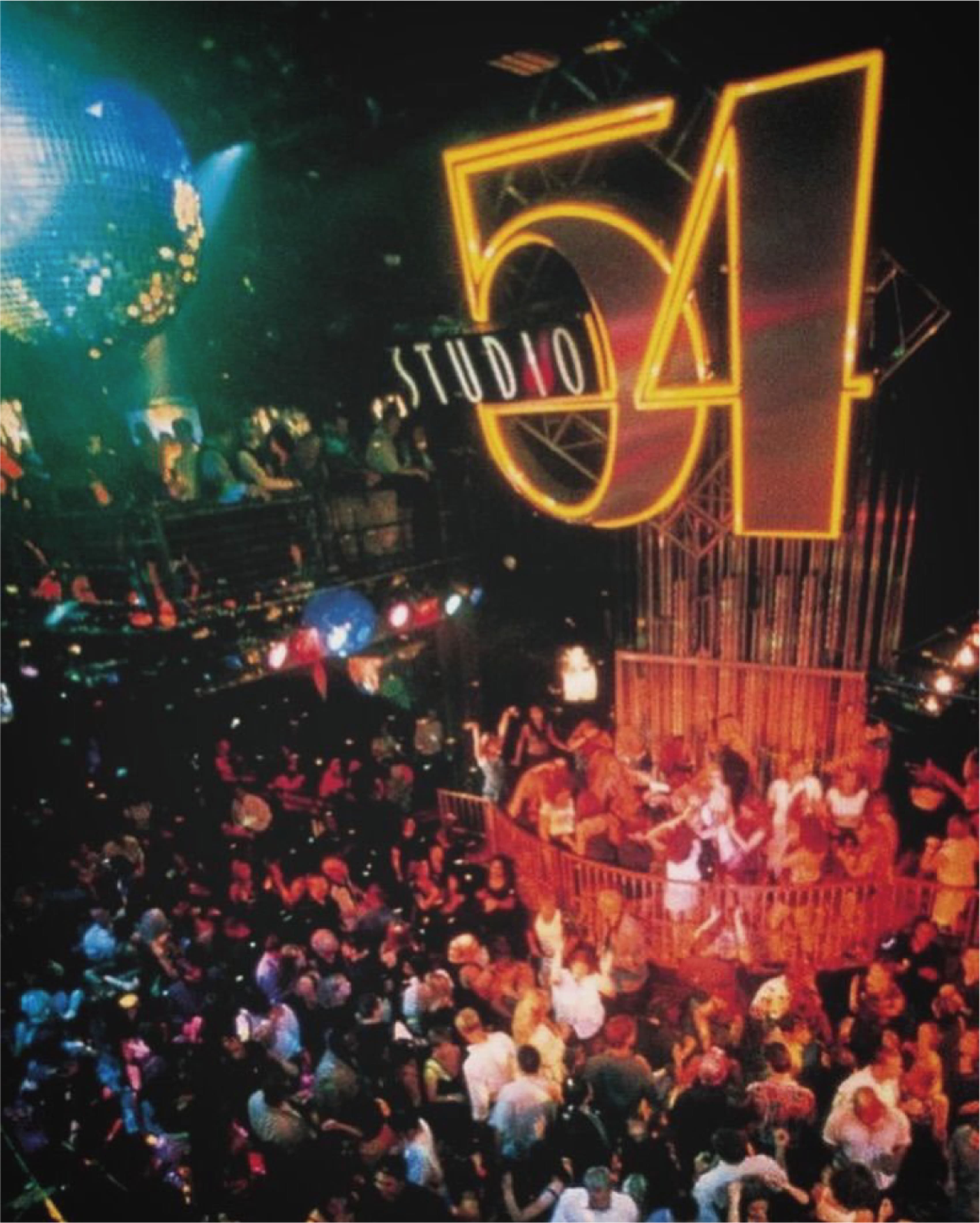
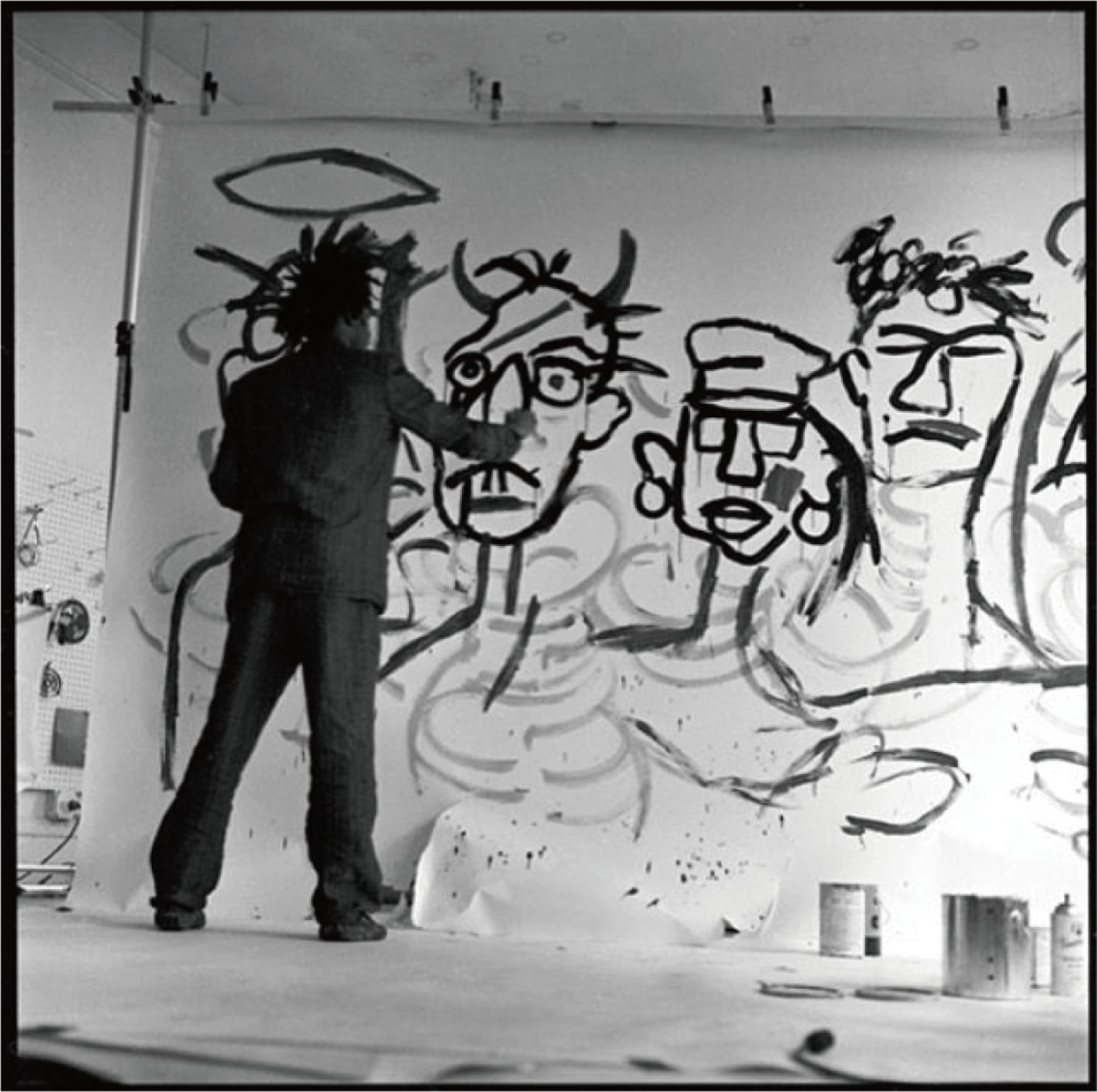
The club became a meeting point for artists, musicians, actors, and designers, creating an environment where creativity was celebrated. Fashion was not separated from music or performance; instead, every element existed together as part of one immersive experience. The influence of this cultural movement changed the way people viewed nightlife fashion. Rather than following traditional dress codes, individuals began using clothing as a tool for self-expression, embracing experimentation, individuality, and personal freedom.
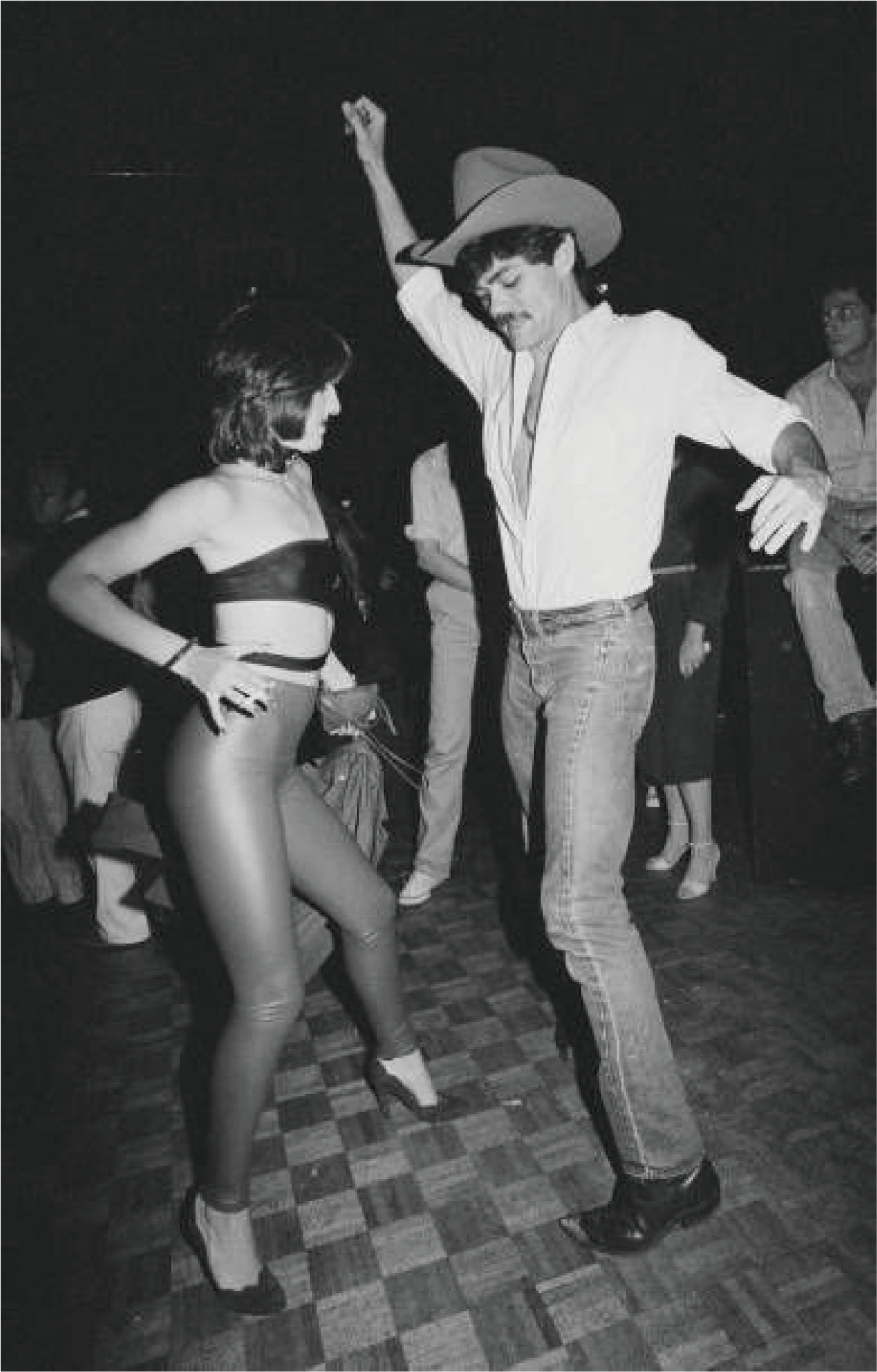
The disco era surrounding the club introduced a new approach to dressing, embracing reflective surfaces, rich textures, and expressive silhouettes. Garments were designed not only to be seen, but also to move, shine, and interact with their surroundings. Although the original space existed for only a short period, its cultural impact remained strong. It represented a moment when style became a way to communicate creativity, freedom, and a sense of belonging.
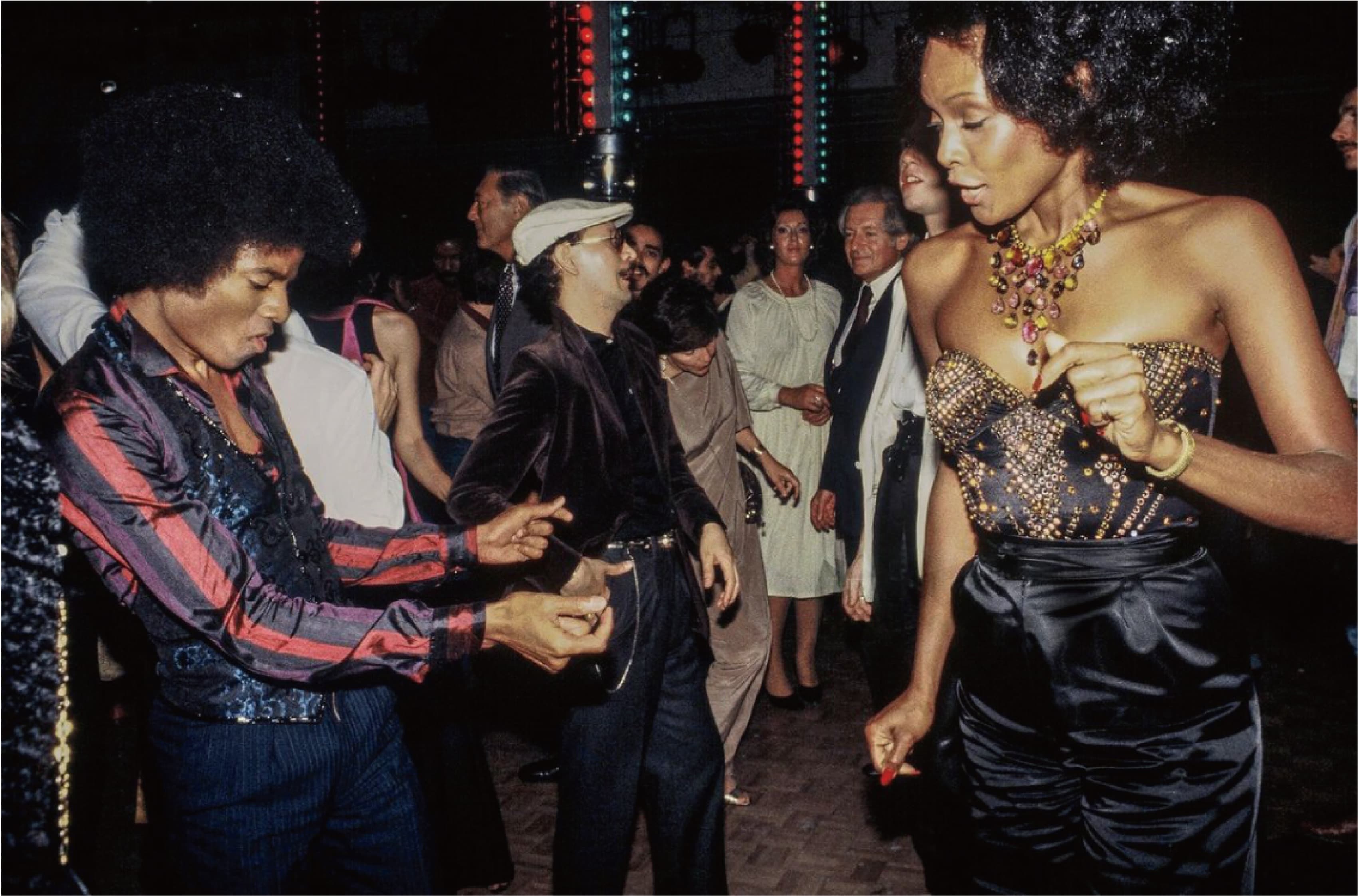
The legacy continues through contemporary fashion that explores the connection between clothing and experience. Designers still reference this period through luxurious materials, dramatic forms, and garments created to capture movement and emotion. More than a symbol of nightlife, Studio 54 represents a moment when fashion, music, and culture merged into one powerful expression. It showed that clothing could become more than an object, becoming a reflection of identity, atmosphere, and a shared cultural experience.