PLAYTIME
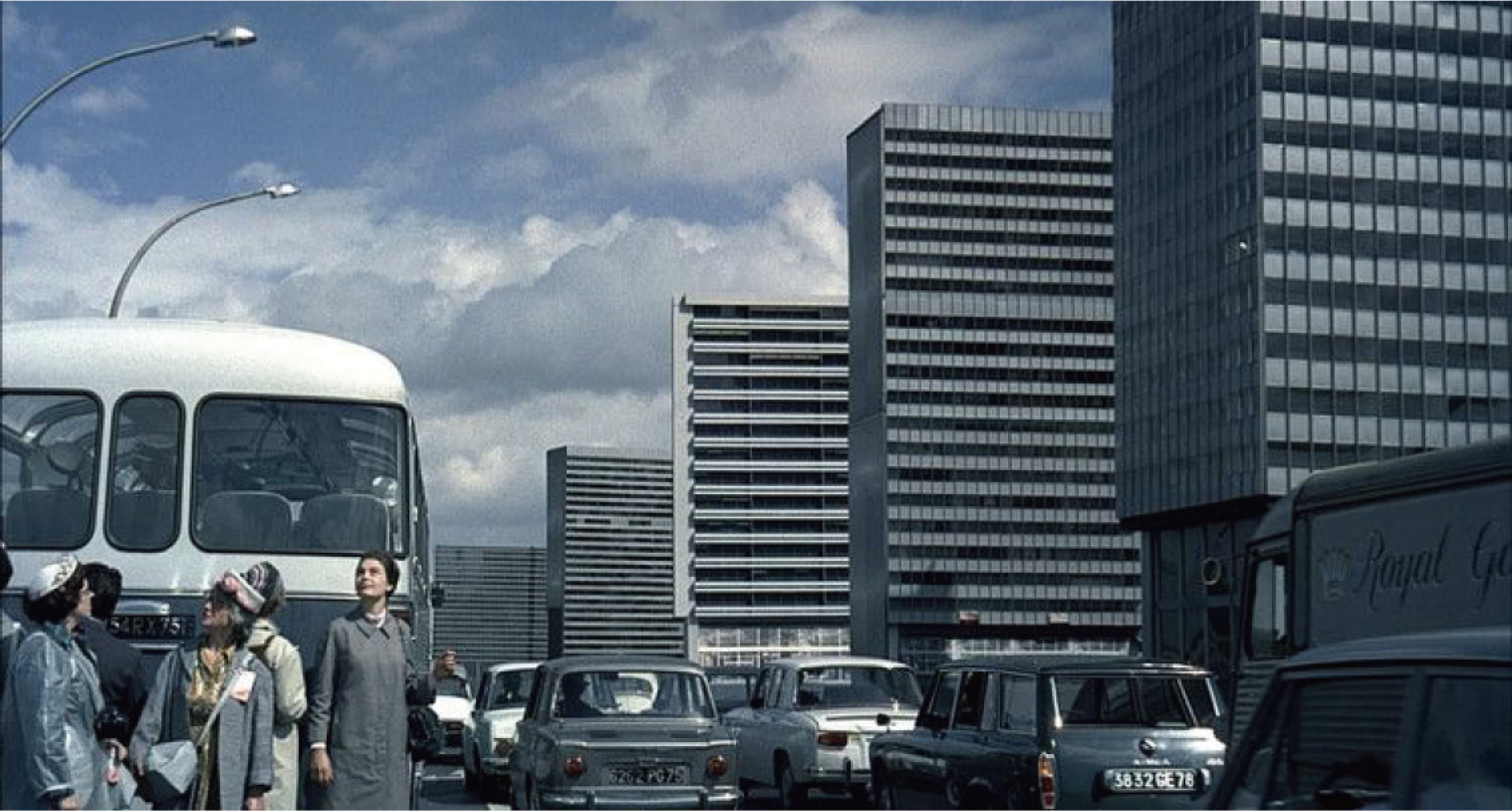
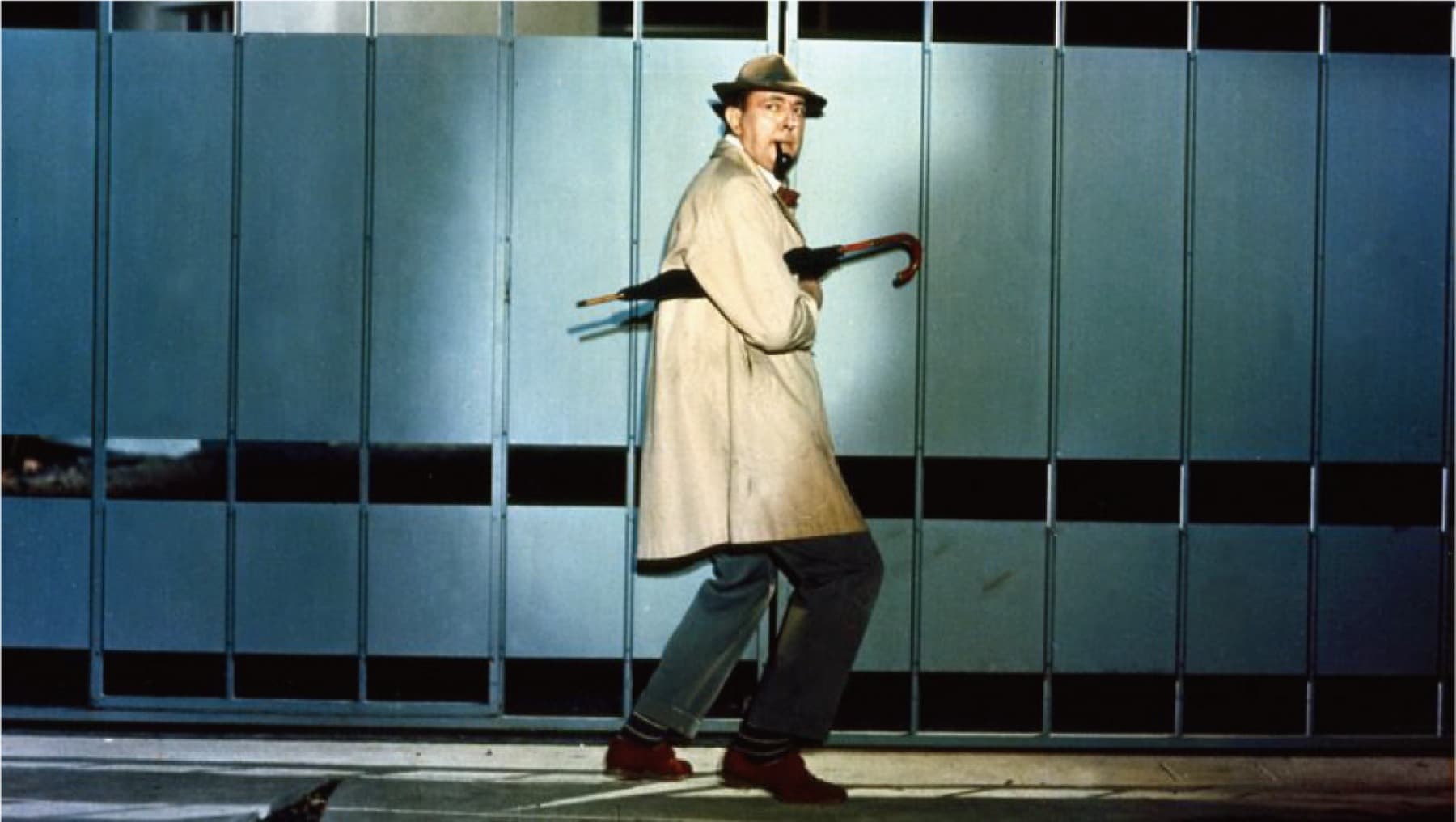
Released in 1967, Playtime transformed everyday life into a visual study of modernity. Jacques Tati used architecture, movement, and understated tailoring to explore how people adapted to an increasingly uniform world.
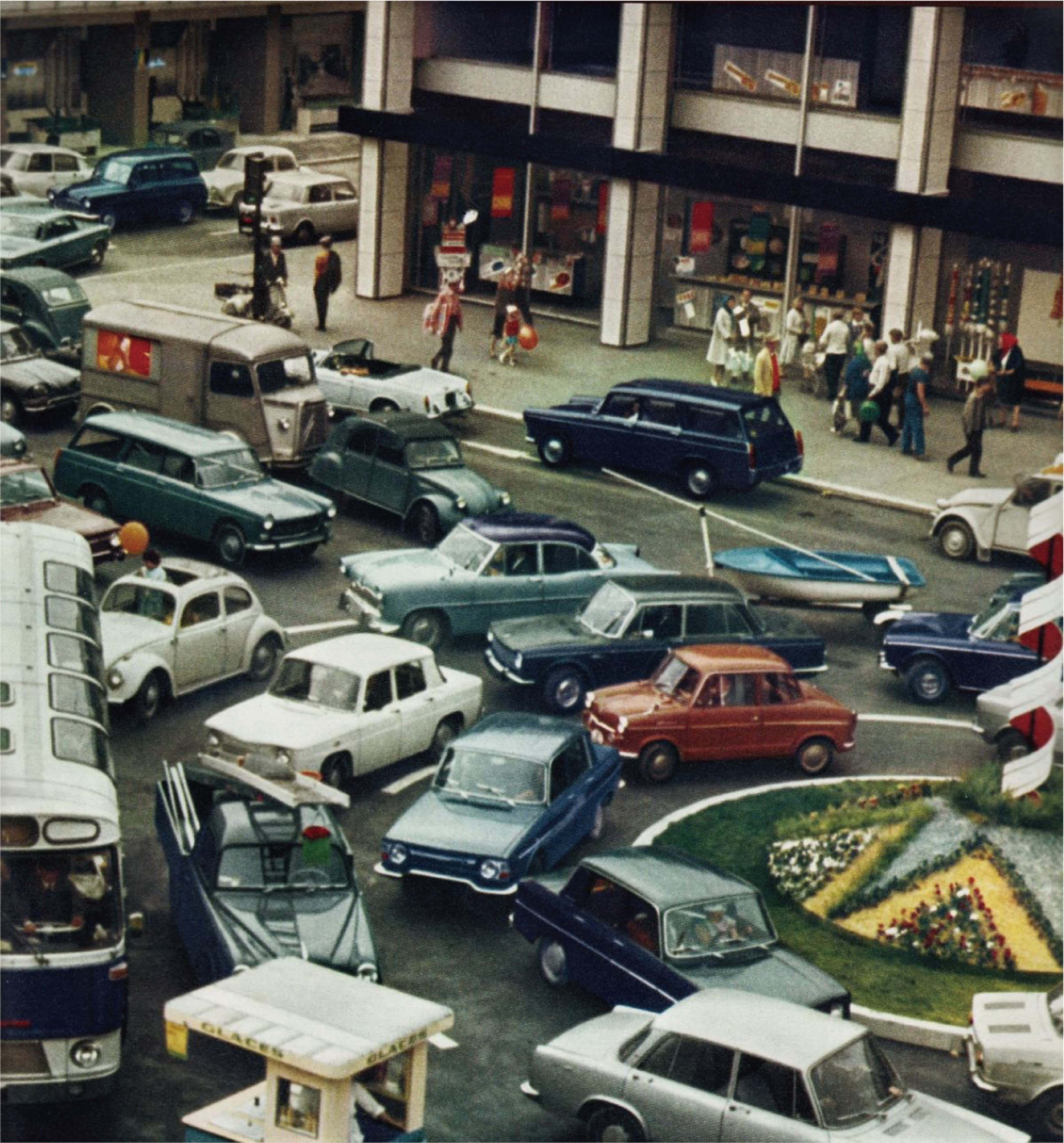
The suits in Playtime never dominate the screen. Instead, they blend effortlessly into glass buildings, geometric interiors, and the ordered rhythm of modern life. Their clean lines and restrained proportions reflect the architecture around them, creating a visual harmony between the human figure and the spaces they inhabit. The muted fabrics and precise tailoring reinforce this sense of quiet control, allowing the clothing to become part of the environment rather than a statement on its own. In this world, elegance does not come from excess or ornament, but from balance, proportion, and the subtle relationship between the garment, the body, and its surroundings.
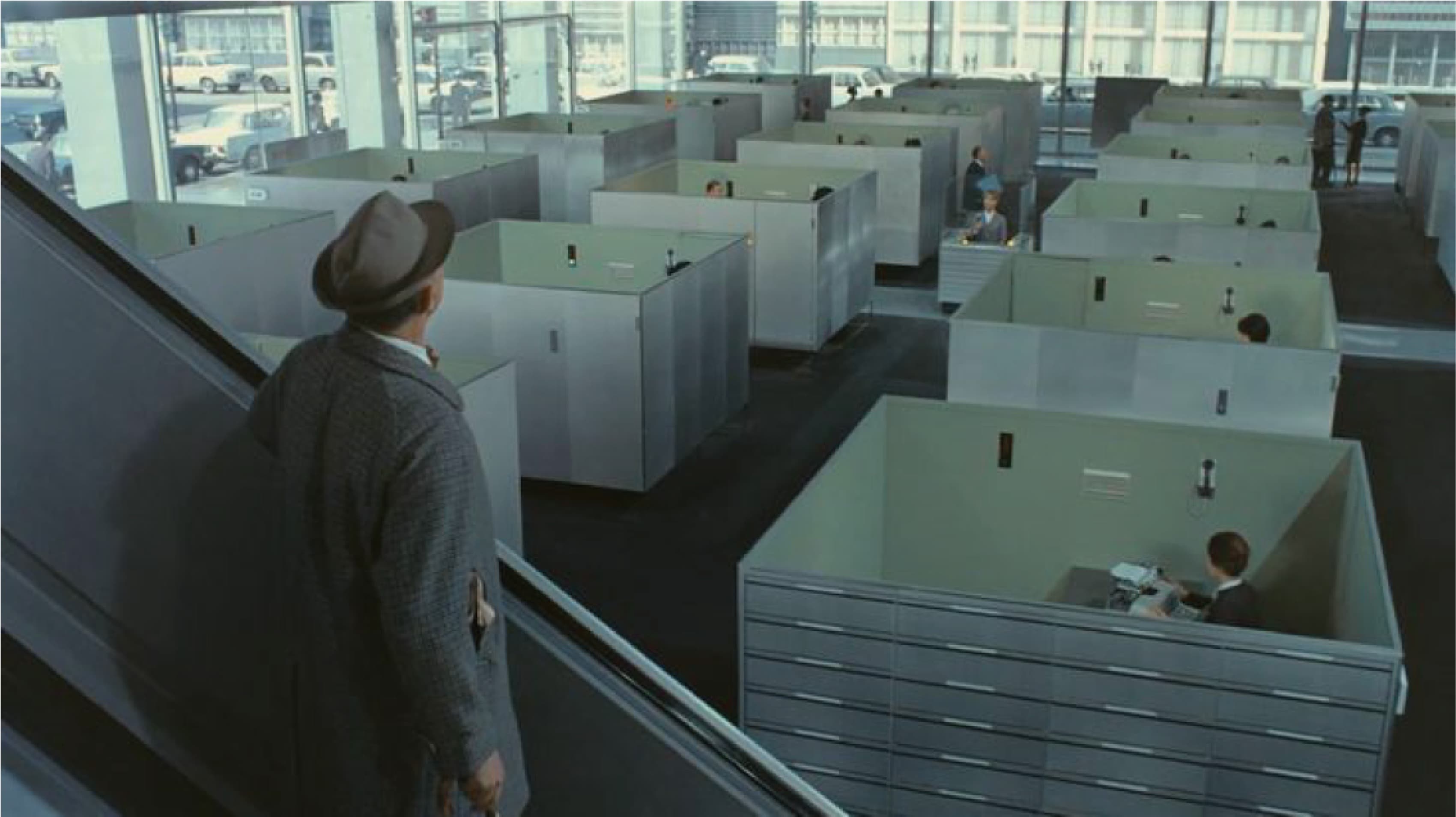
Every corridor, staircase, and reflection becomes part of the story. Tailoring moves through the city with quiet precision, making clothing an extension of architecture itself.
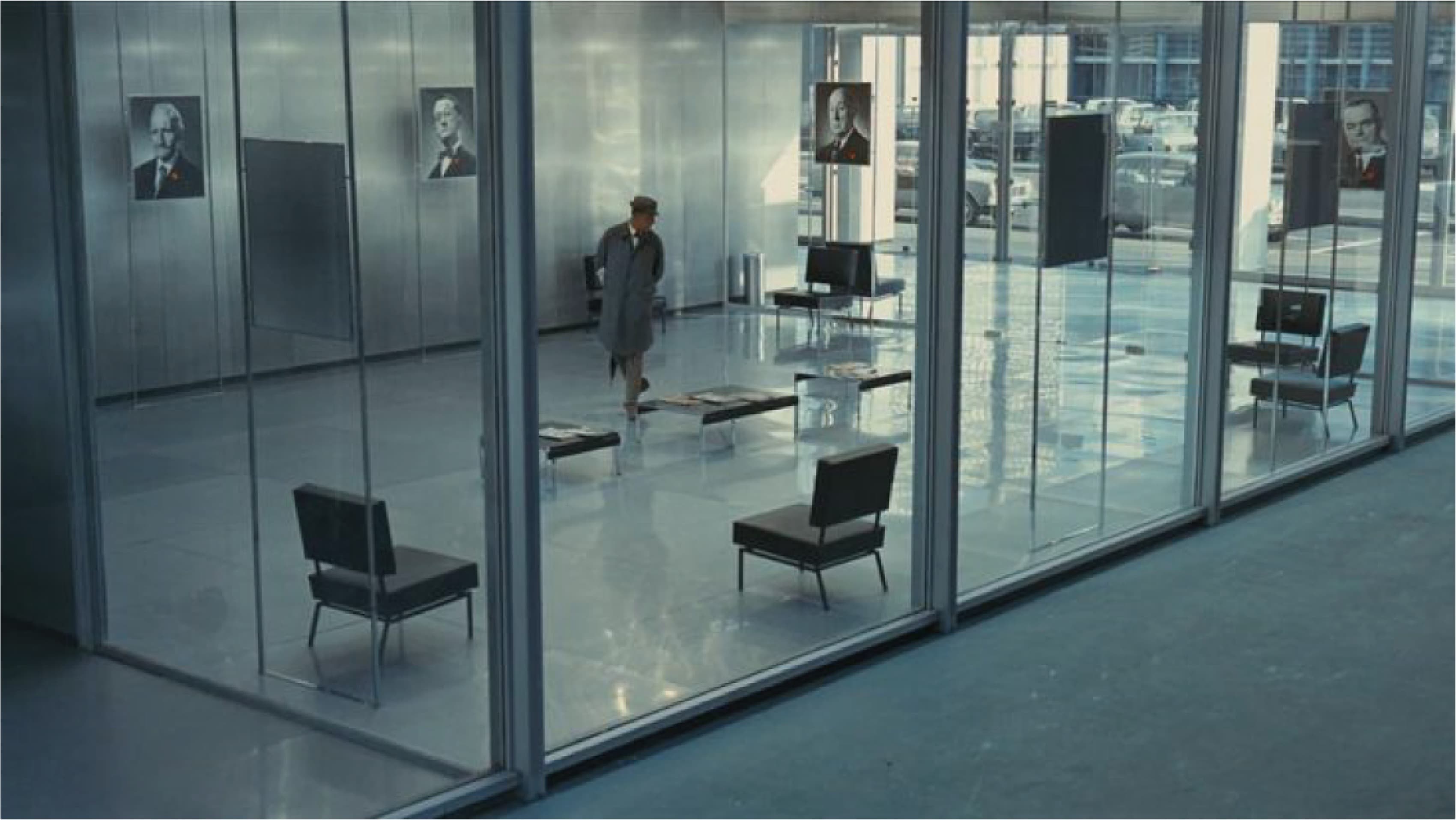
Playtime rejected spectacle in favour of restraint. Neutral colours, clean tailoring, and subtle details created a timeless aesthetic that continues to influence modern menswear. The understated fabrics and precise silhouettes allowed each garment to feel naturally integrated into its surroundings, showing that sophistication can be expressed through simplicity rather than excess. Its quiet approach to clothing remains relevant today, where proportion, material, and thoughtful construction often speak louder than decoration.
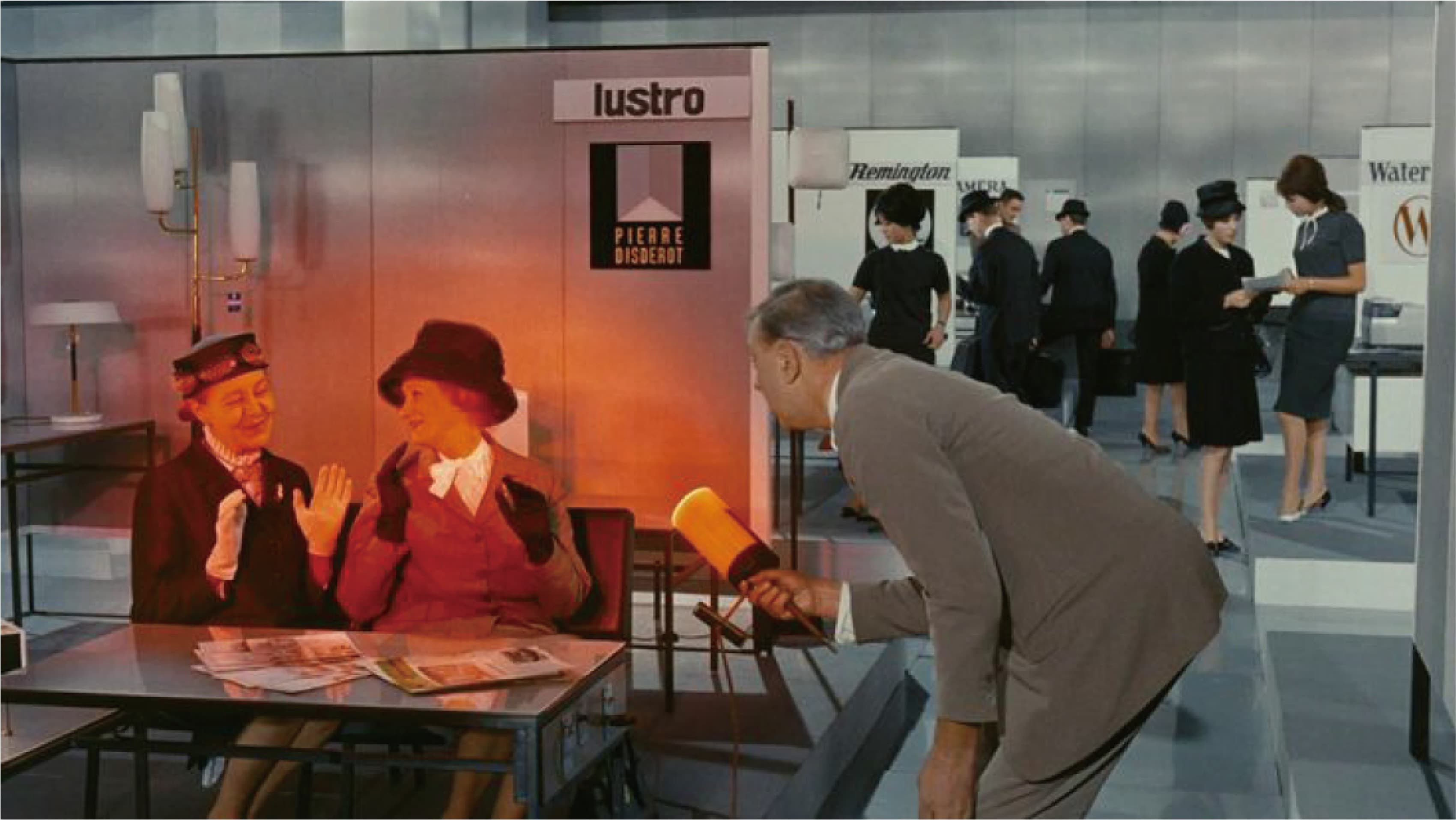
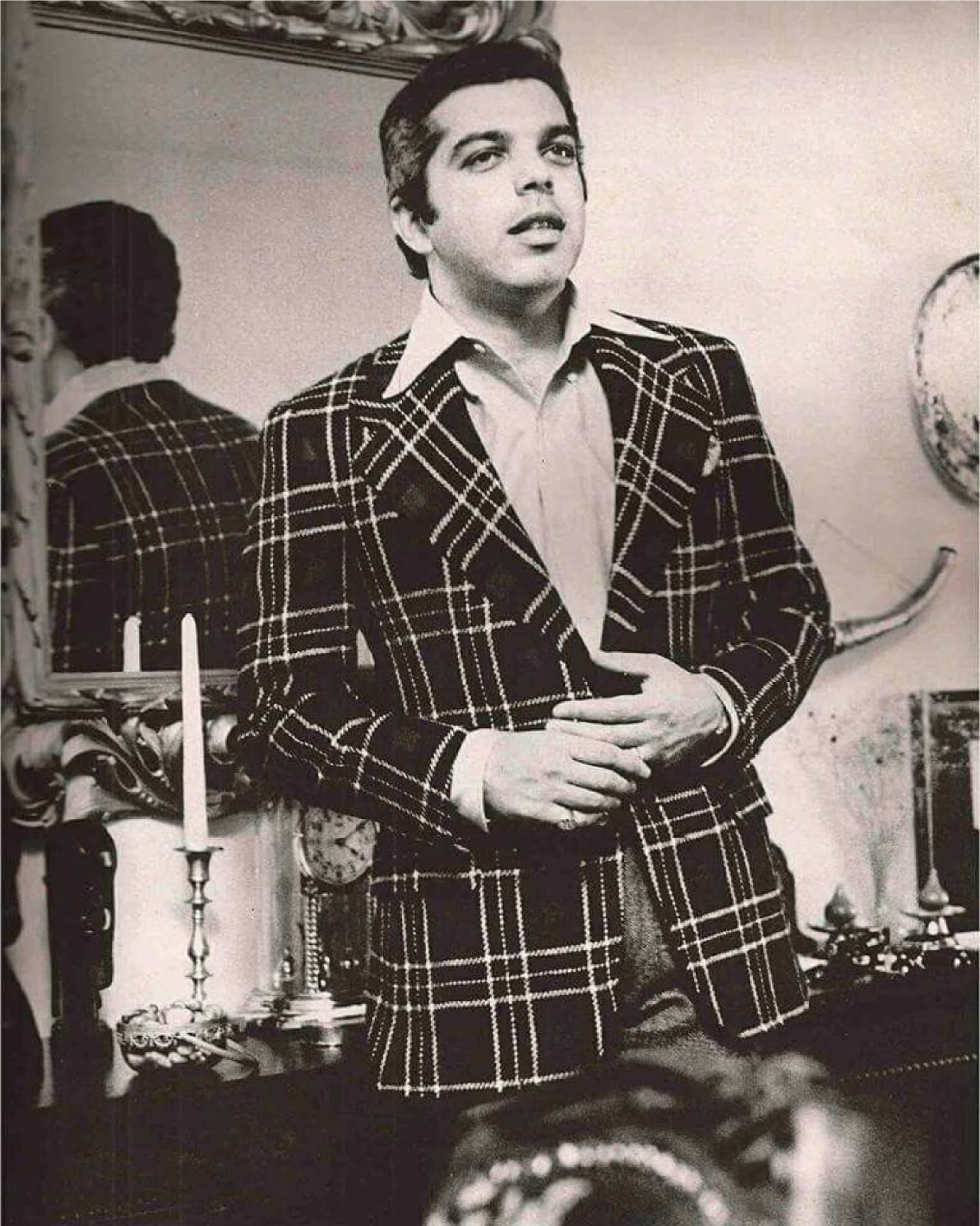
Jacques Tati found beauty in ordinary moments. A man adjusting his jacket, a crowd crossing a lobby, or a reflection in glass became carefully composed scenes where clothing quietly shaped the atmosphere.
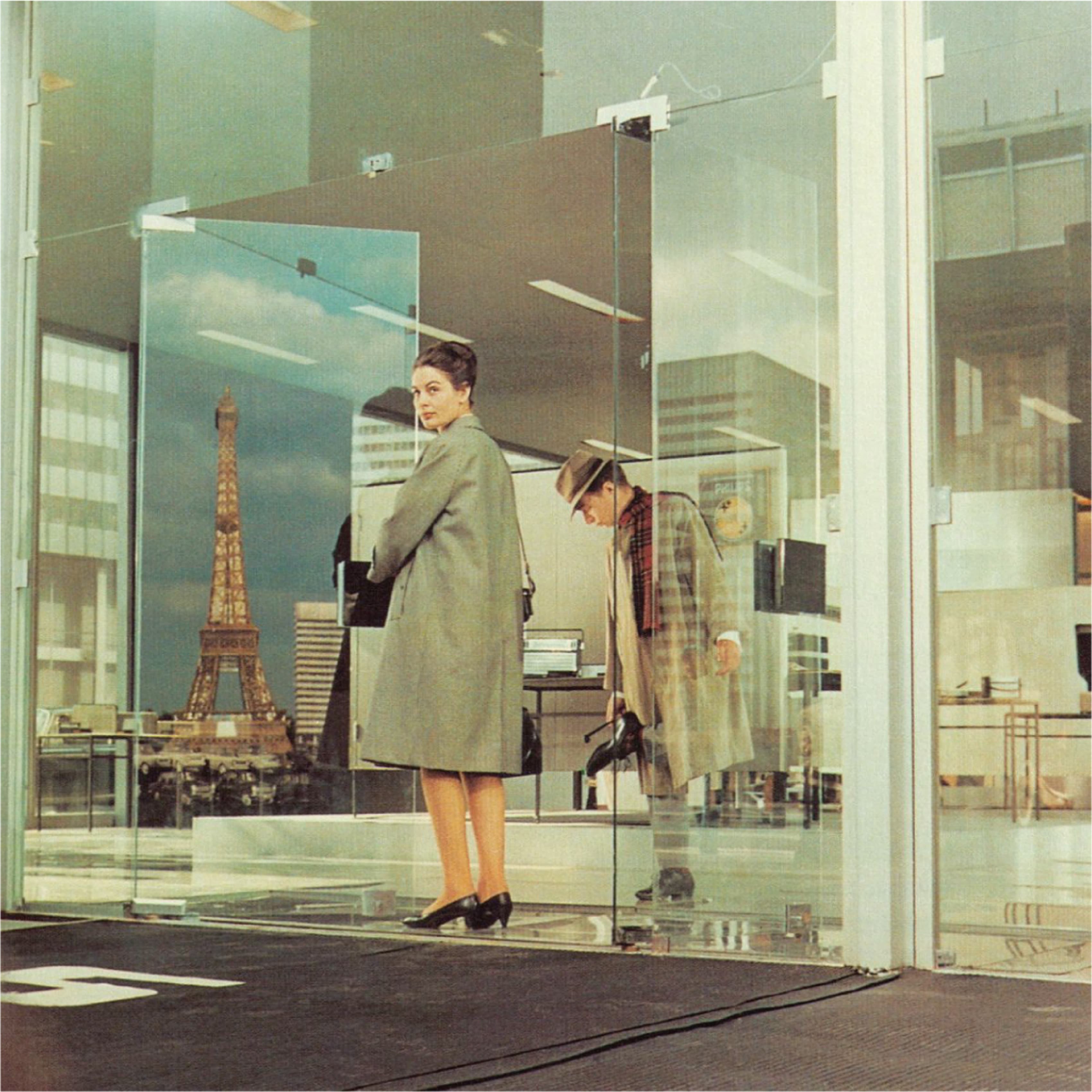
More than half a century later, Playtime remains a reference for those who appreciate thoughtful design. Its quiet tailoring, balanced proportions, and architectural compositions continue to define a modern classic.