parisian clubs 1970-1980
Night belongs to clothing. A jacket worn to dinner can seem restrained; the same jacket beneath mirrored ceilings becomes a performance. Satin moves differently under coloured lights. Velvet absorbs the darkness. Silk catches every flash before disappearing again. A nightclub is never simply a place to dance. It is where fashion proves whether it can live beyond the runway.
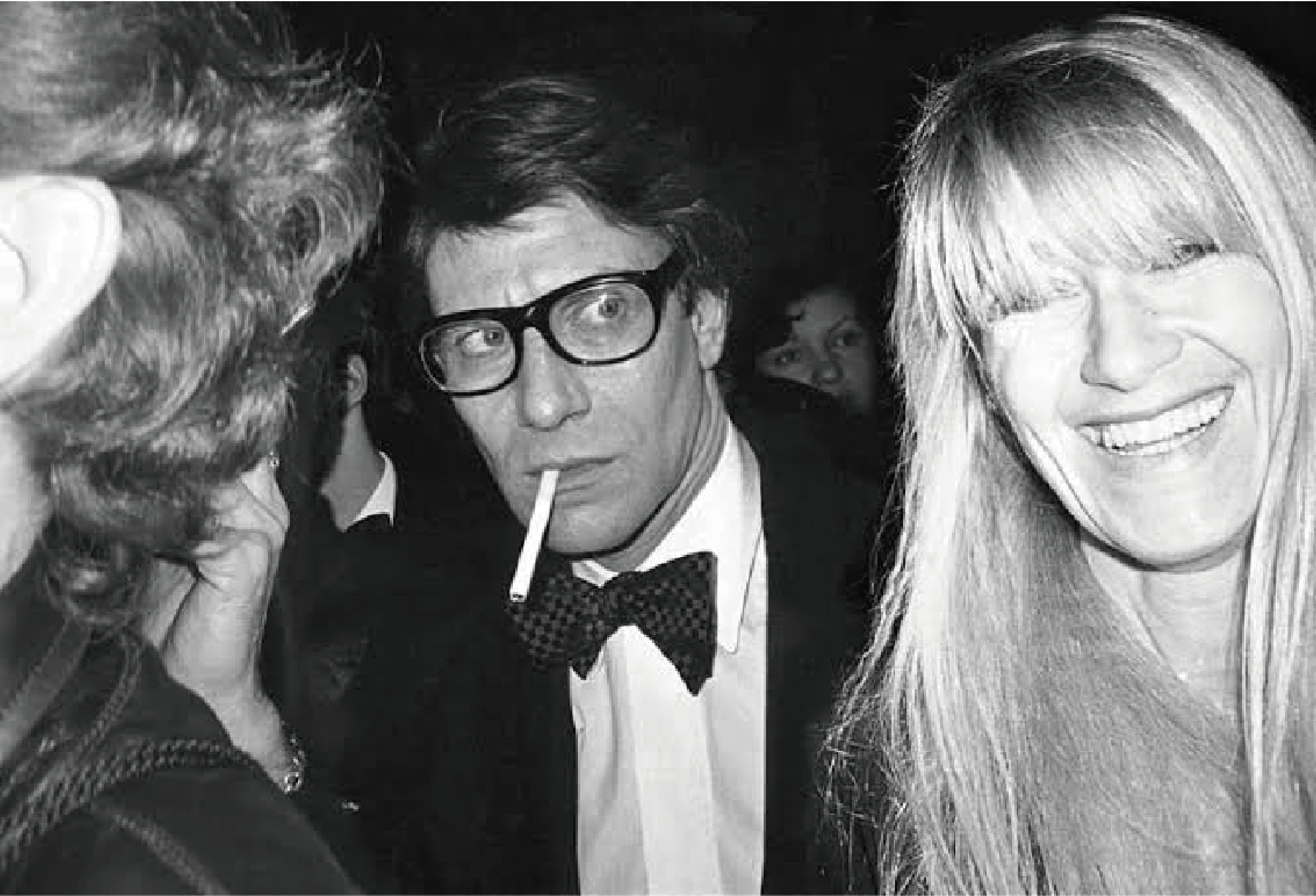
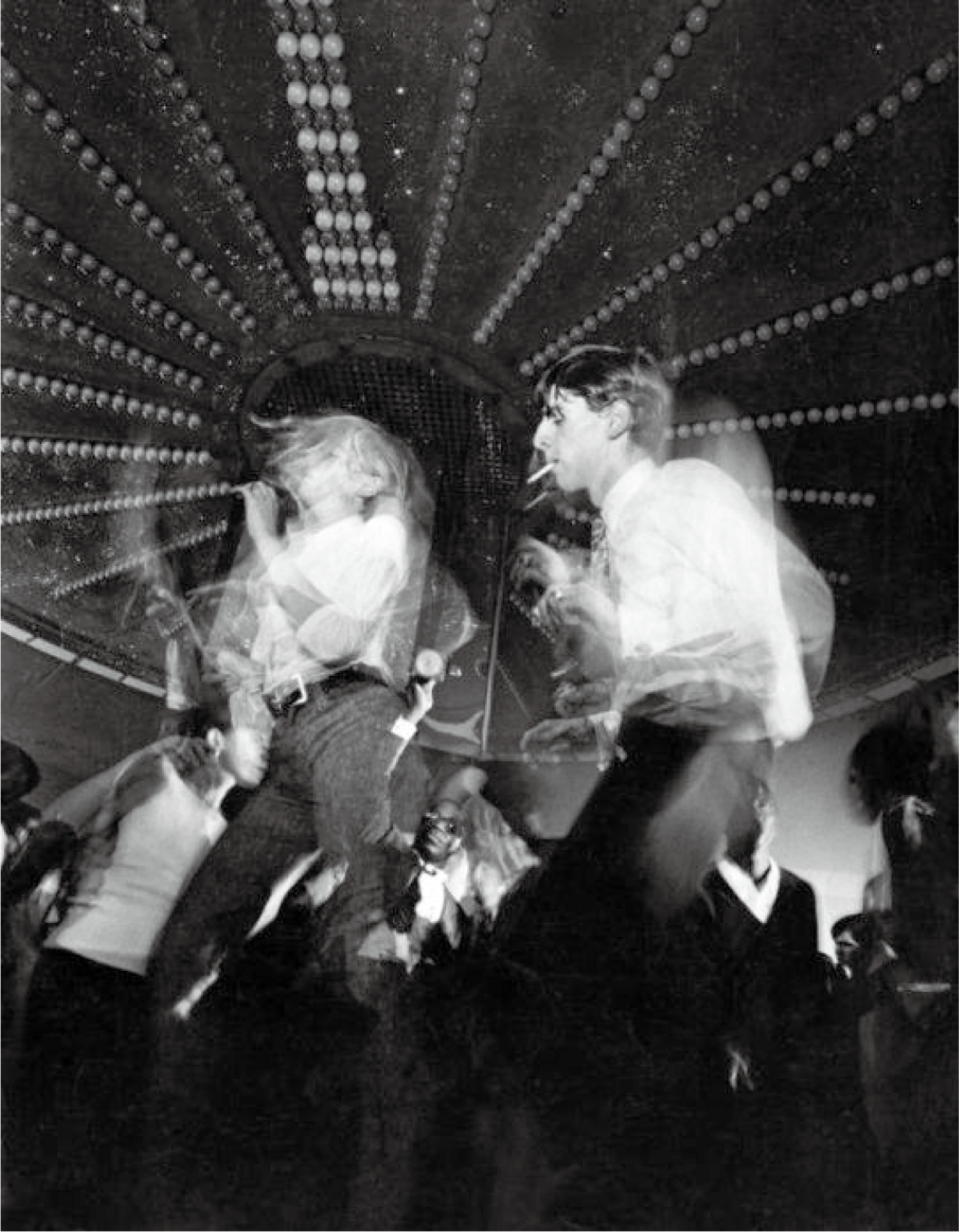
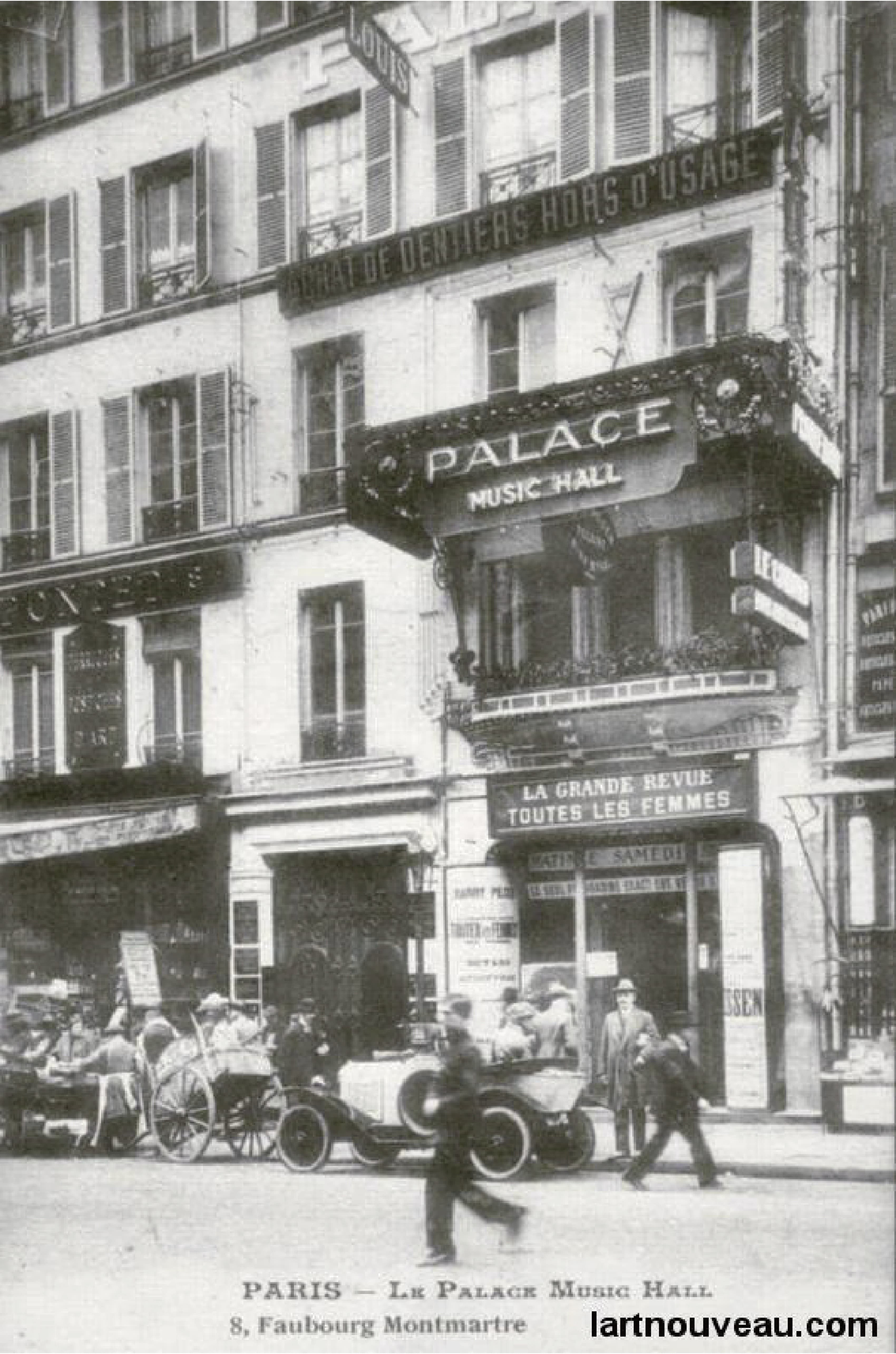
By the late 1970s, Paris had found its stage after dark. At the centre stood Le Palace, opened in 1978 by Fabrice Emaer inside a restored theatre. More than a nightclub, it became the city's unofficial runway. Models arrived after fashion shows, photographers documented every entrance, and designers observed the crowd as closely as their own collections. Karl Lagerfeld, Yves Saint Laurent, Andy Warhol, Grace Jones and countless artists became regular faces, turning Le Palace into a meeting point where fashion, art and music dissolved into one another. What happened there often found its way onto the runway a season later.
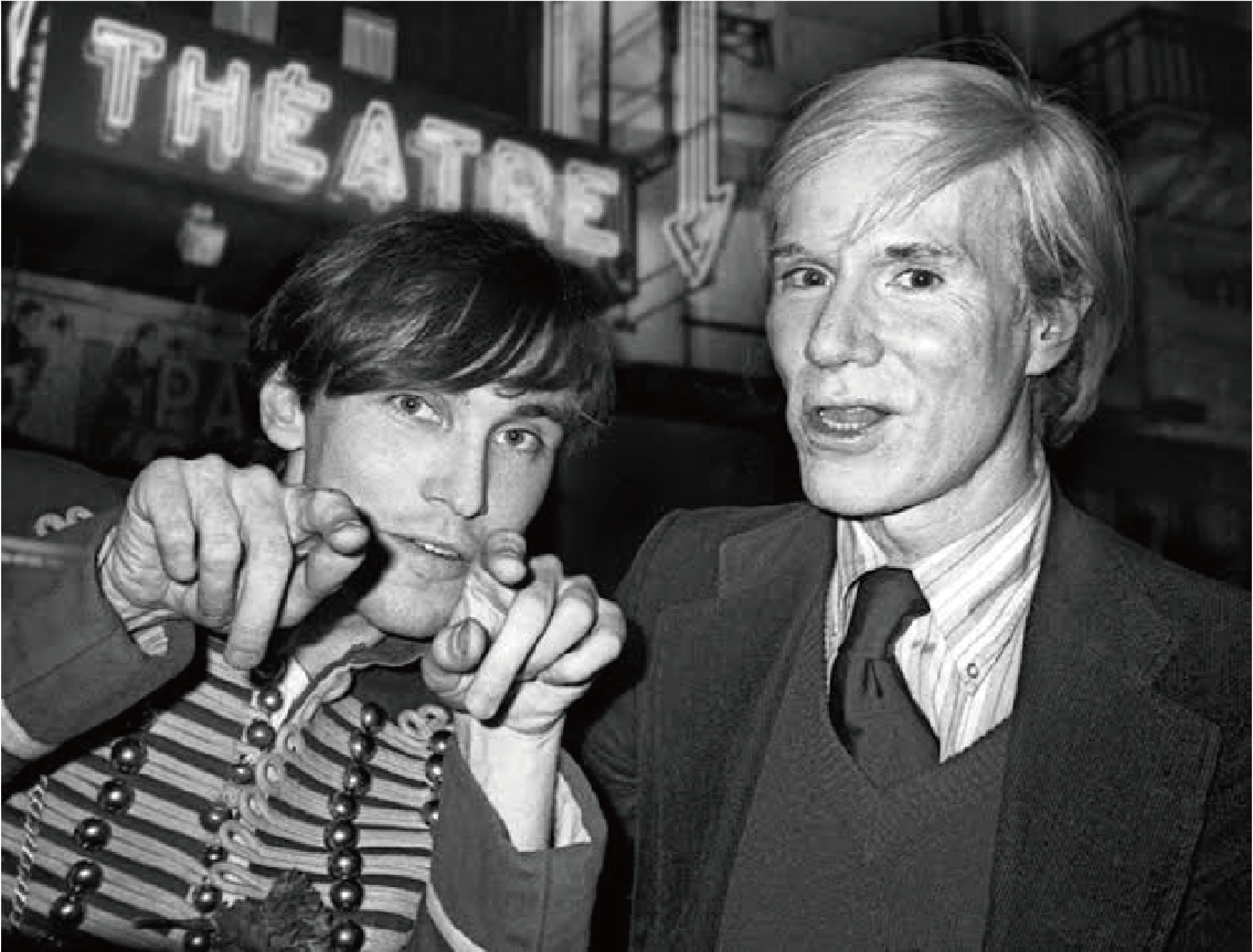
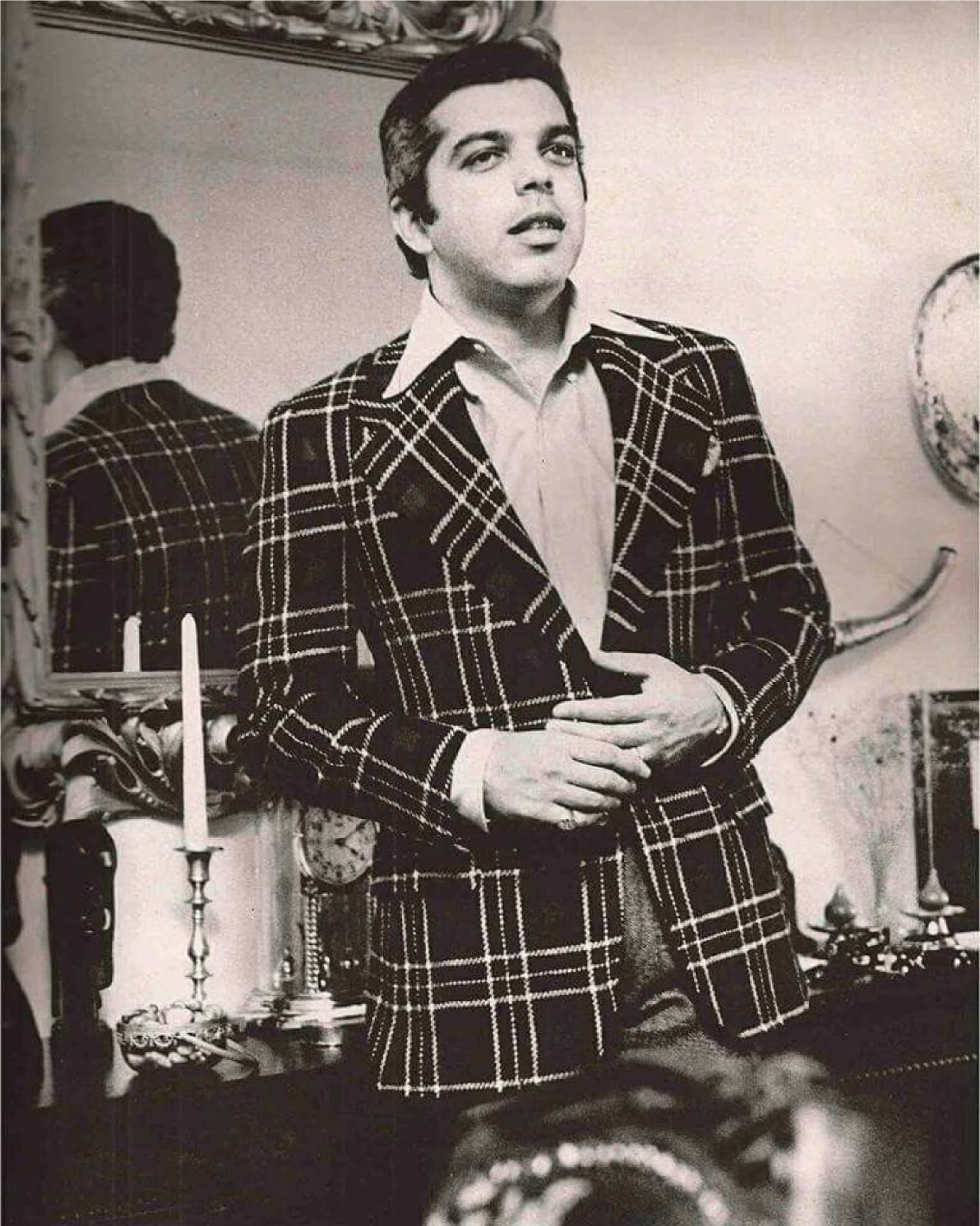
The club encouraged contradiction rather than convention. Tailored jackets were worn over open silk shirts, velvet accompanied denim, eveningwear borrowed from workwear, and women adopted oversized men's tailoring with effortless confidence. Perfection mattered less than attitude. Parisian nightlife suggested that elegance was no longer about dressing correctly, but about dressing with conviction. The dance floor became a place where silhouettes were tested before they became trends.
Designers understood that clothes revealed themselves through movement. Thierry Mugler embraced exaggerated shoulders and sculptural tailoring that echoed the drama of the nightclub, while Jean Paul Gaultier transformed its irreverence into collections that questioned masculinity, femininity and convention. Fashion no longer belonged exclusively to salons and ateliers. It belonged to the hours after midnight, where music, movement and clothing became impossible to separate.
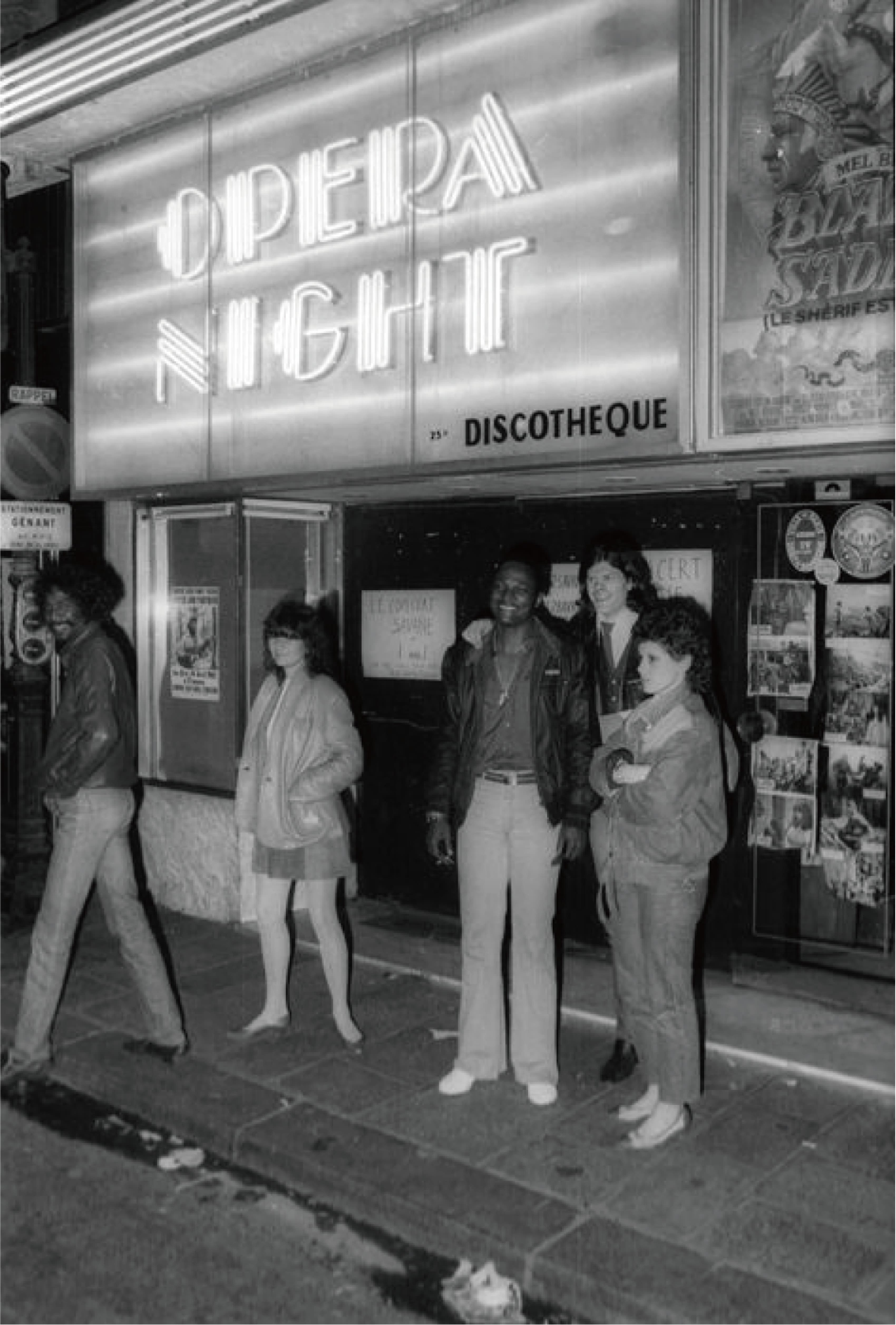
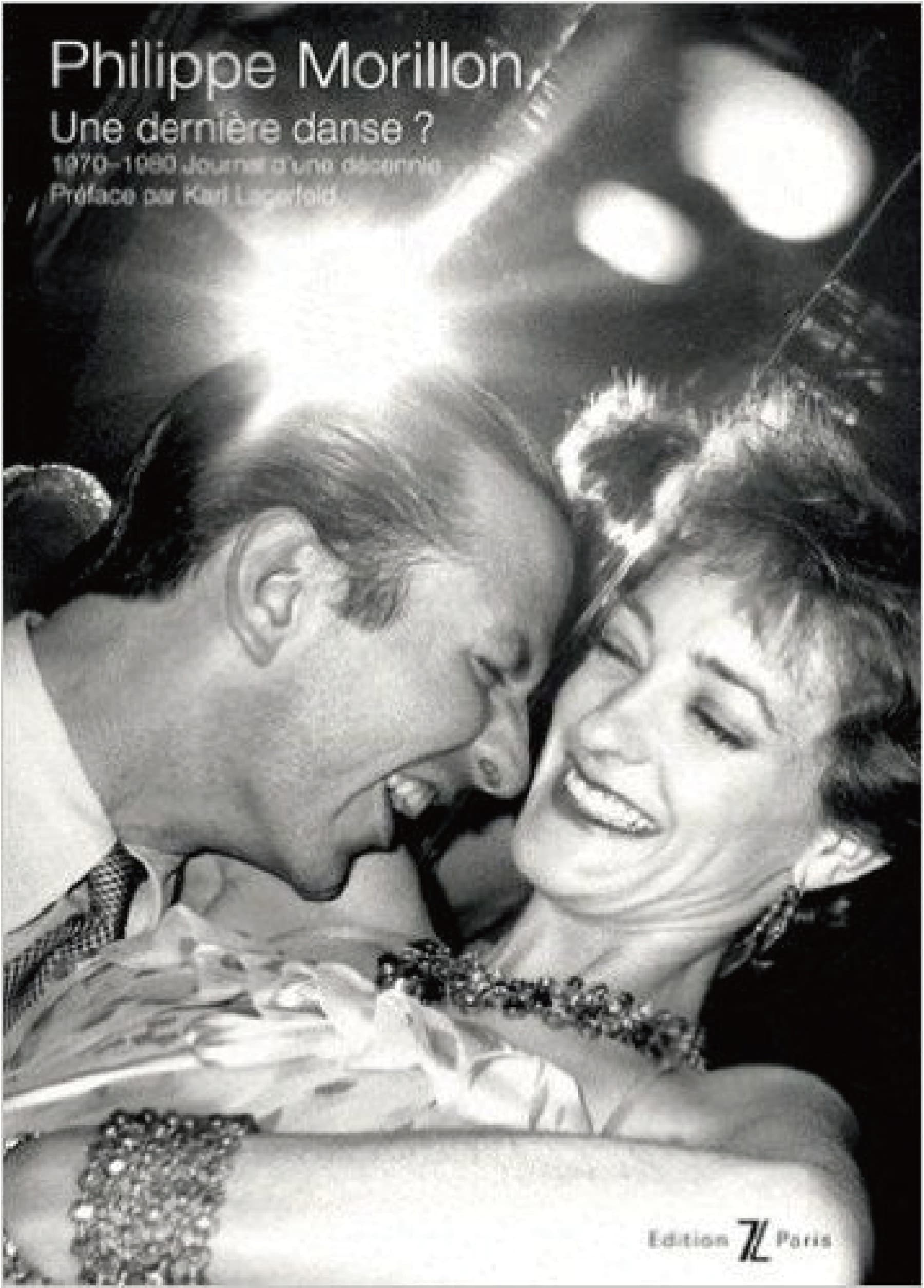
Many of those legendary nights survive only in photographs, yet their influence remains unmistakable. Sharp evening tailoring, silk shirts, velvet jackets and an effortless confidence continue to define Parisian style. The clubs of 1970–1980 are remembered not because they stayed open until dawn, but because they proved that fashion lives its most memorable life after dark.