MODS
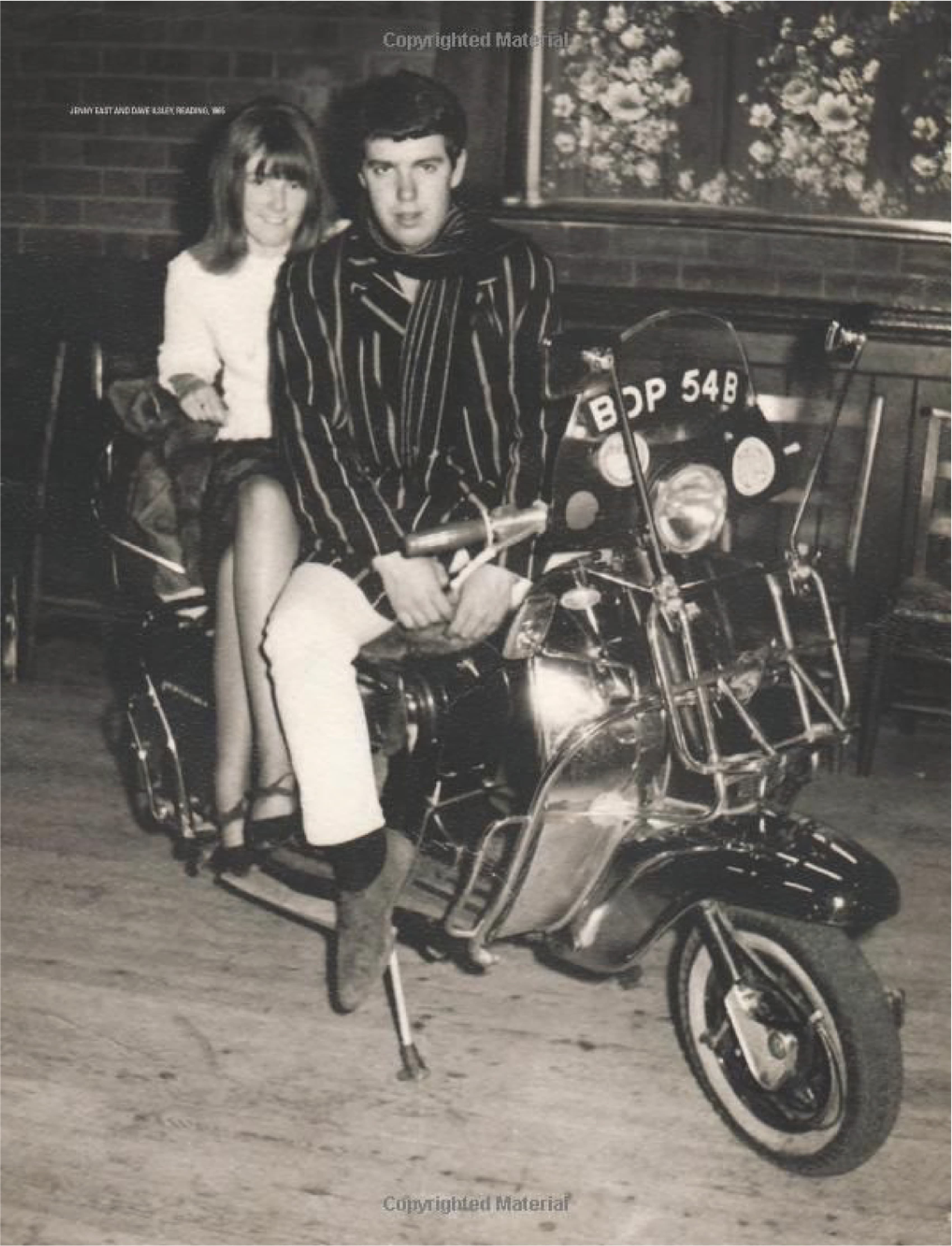
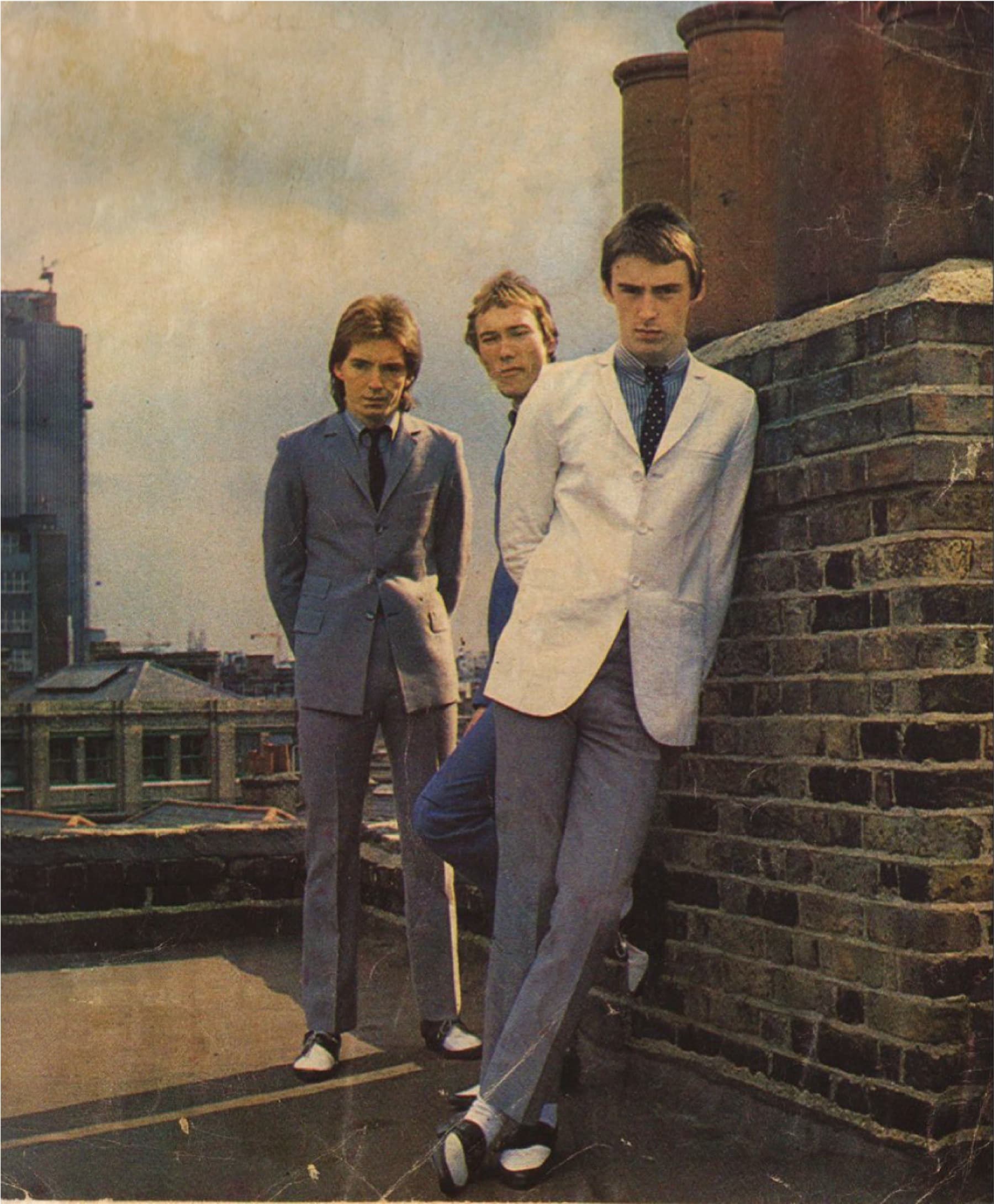
The Mod movement emerged in Britain during the late 1950s, shaped by a generation that sought a modern identity through music, design, and clothing. Rather than rejecting tradition entirely, Mods embraced sharp tailoring and clean silhouettes, drawing inspiration from Italian menswear while creating a style that felt distinctly contemporary. Clothing became a deliberate expression of taste, discipline, and individuality.
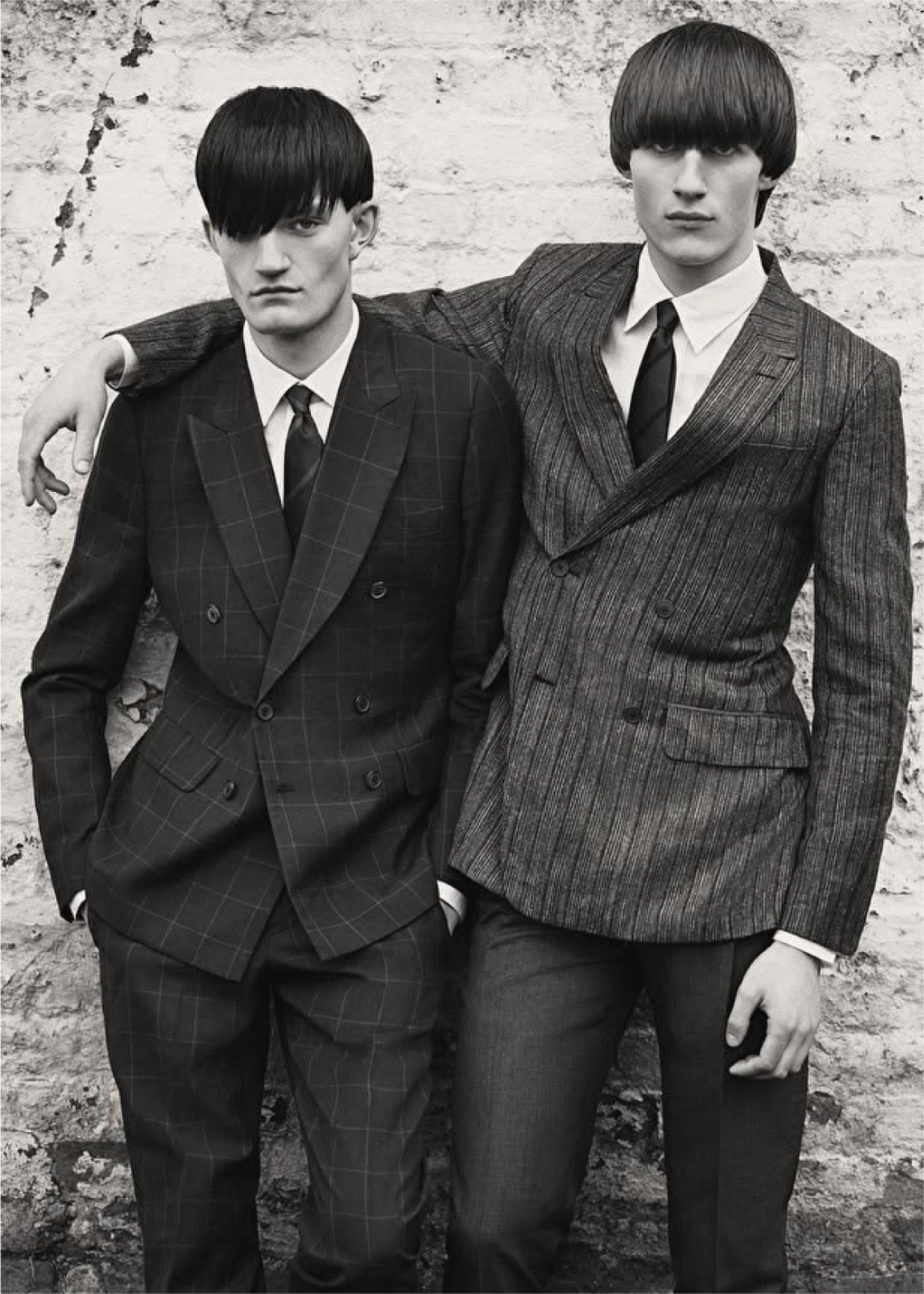
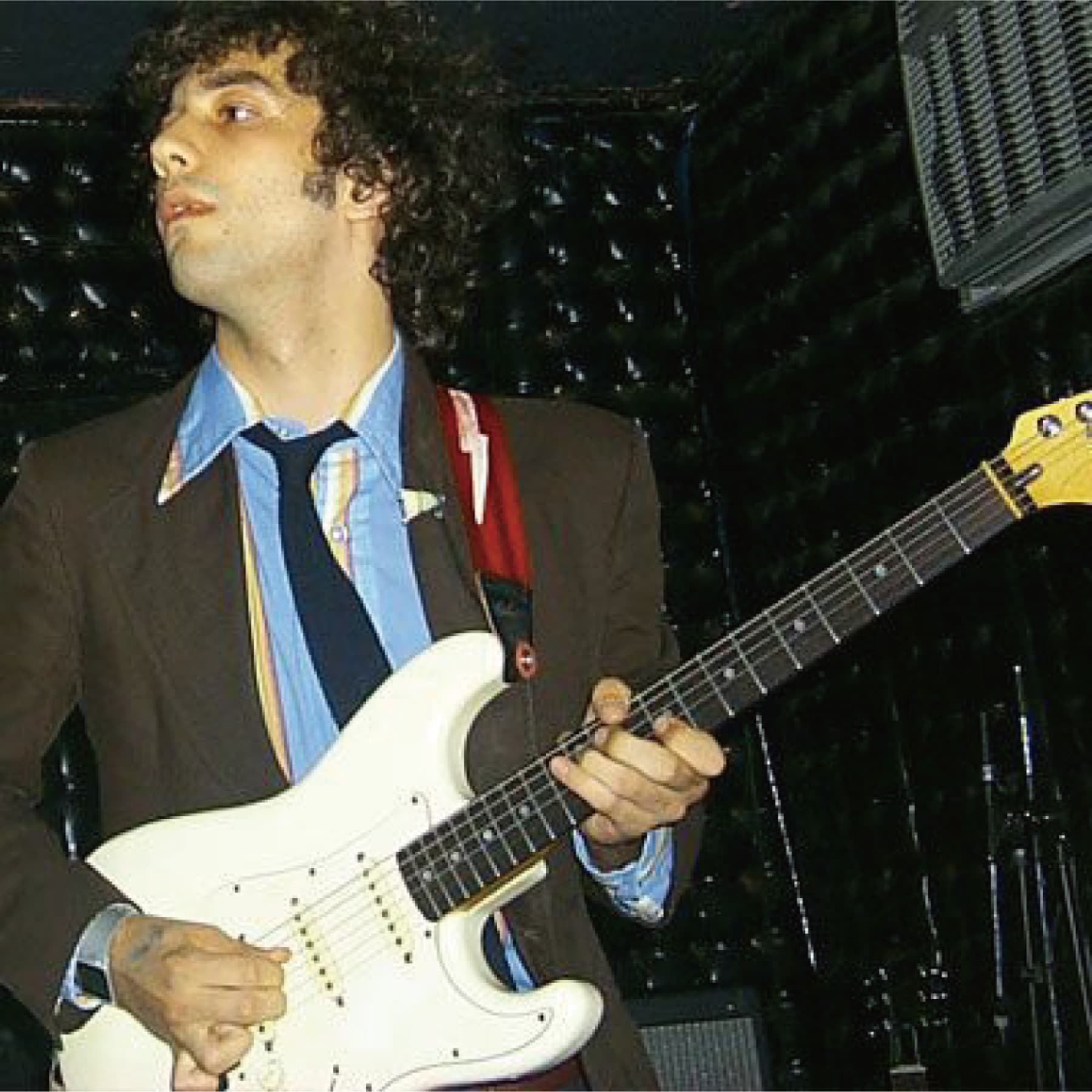
Precision mattered. Slim jackets, narrow trousers, button-down shirts, fine-knit polos, and polished leather shoes formed a wardrobe where every element worked in quiet harmony.
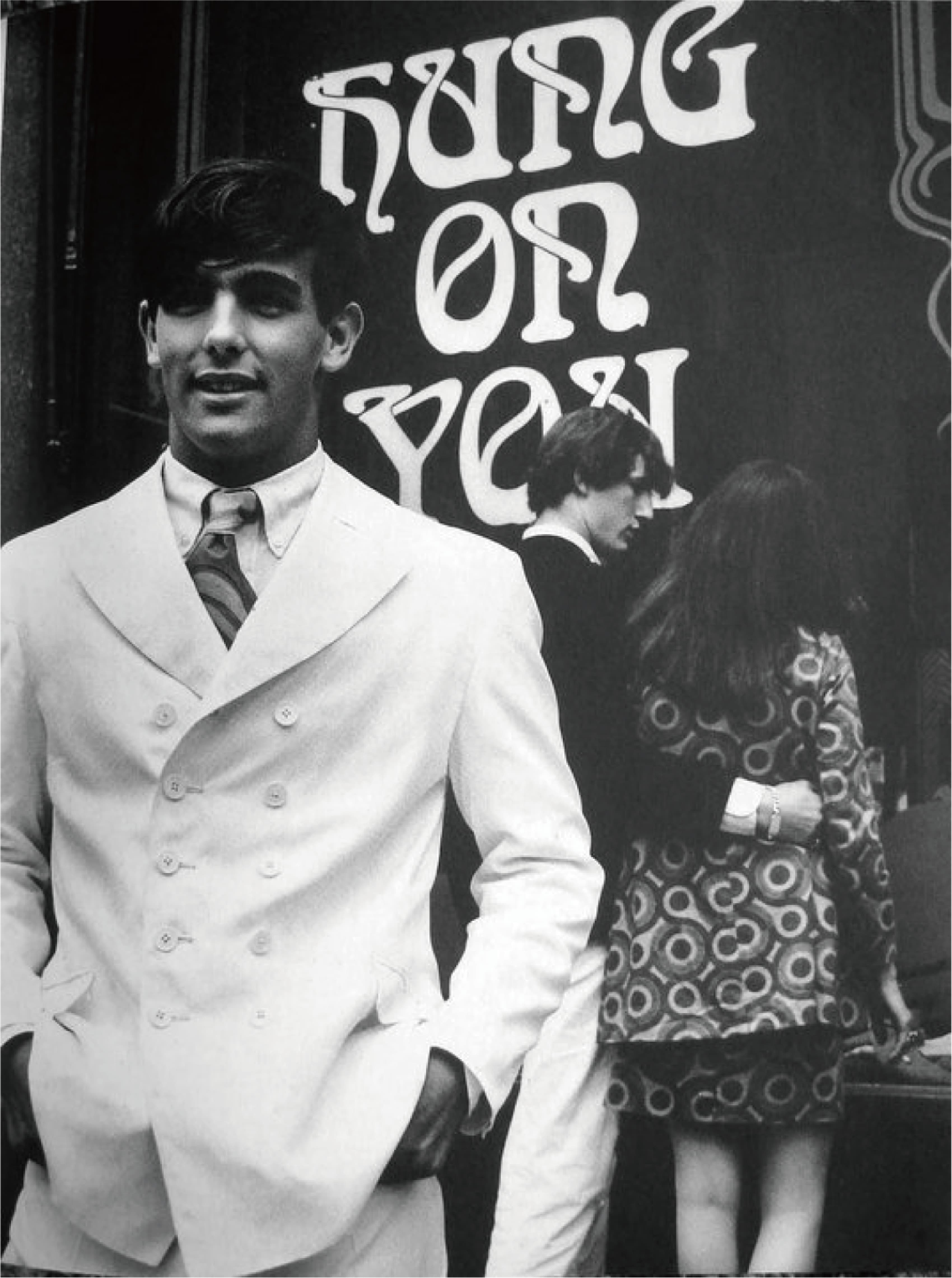
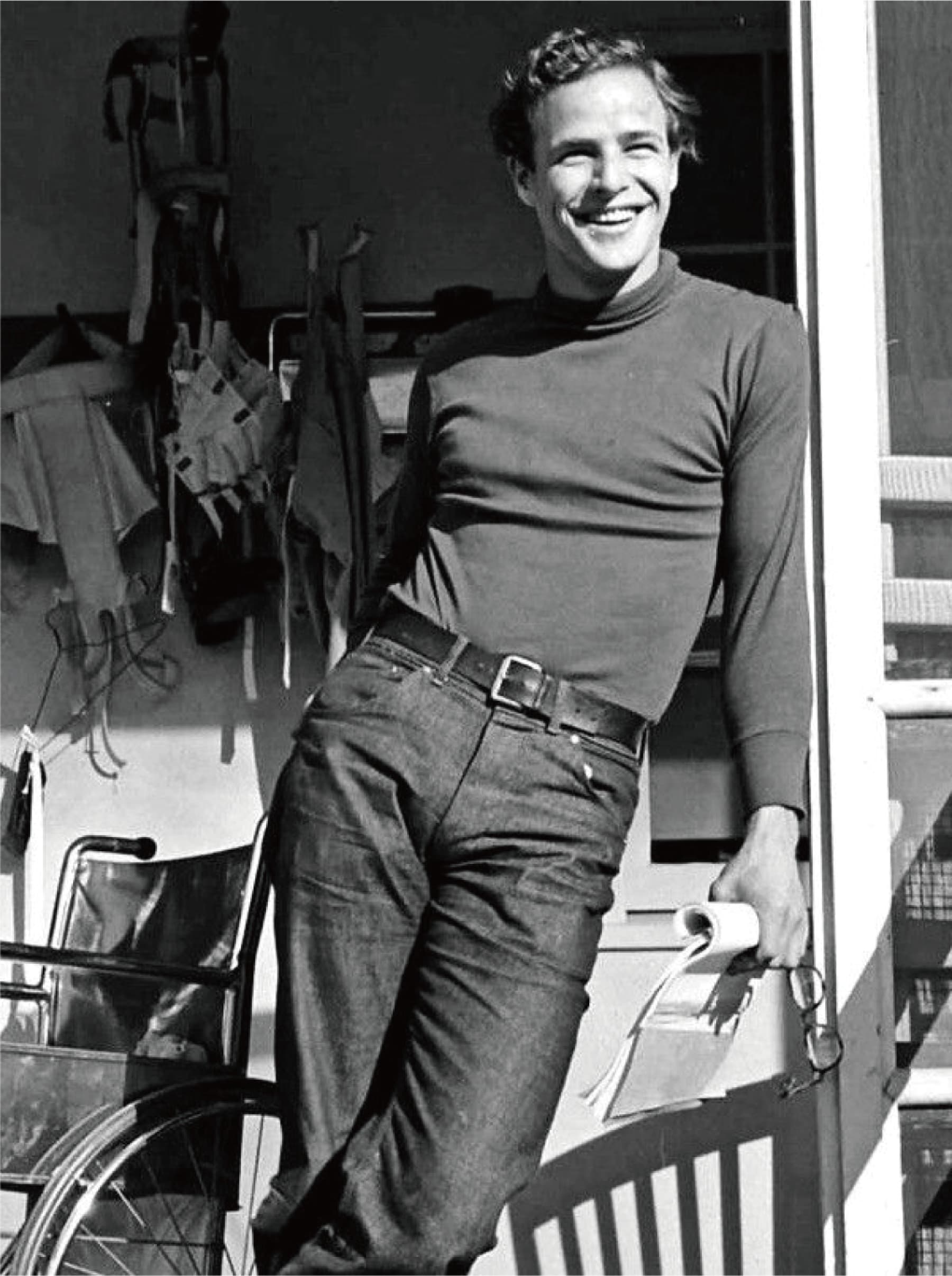
Unlike previous generations, Mods approached tailoring with remarkable versatility. A well-cut blazer could be worn with tailored trousers for formal occasions or paired with denim for everyday life without losing its refined character. This ability to move effortlessly between elegance and practicality became one of the defining qualities of the movement, influencing generations of menswear that followed.
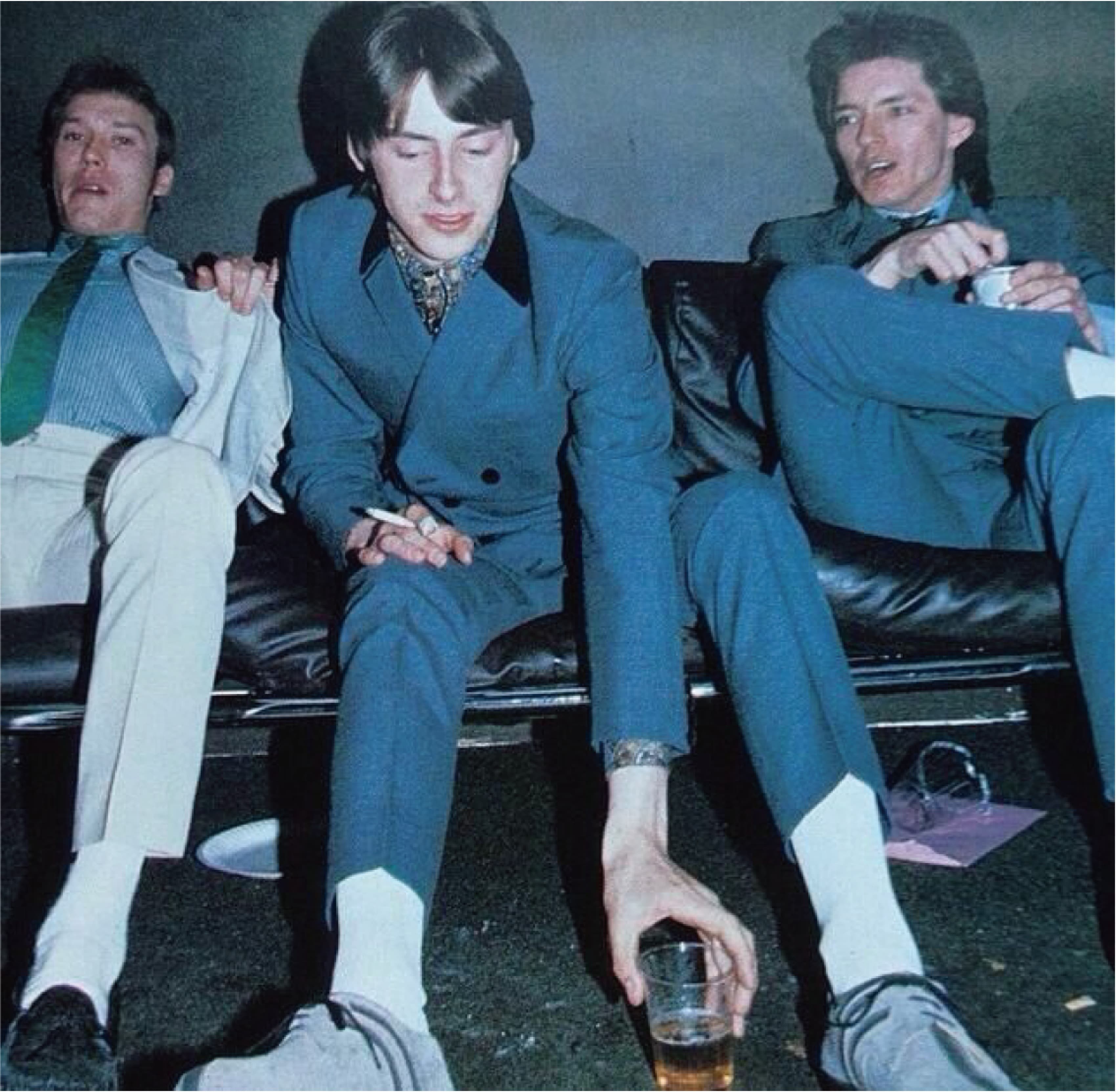
More than a fashion trend, the Mod movement demonstrated how classic tailoring could evolve alongside changing culture without losing its essential principles. Its emphasis on proportion, quality, and understated style continues to resonate, reminding us that true modernity often comes from refining tradition rather than abandoning it.