JEUNES GENS MODERNES
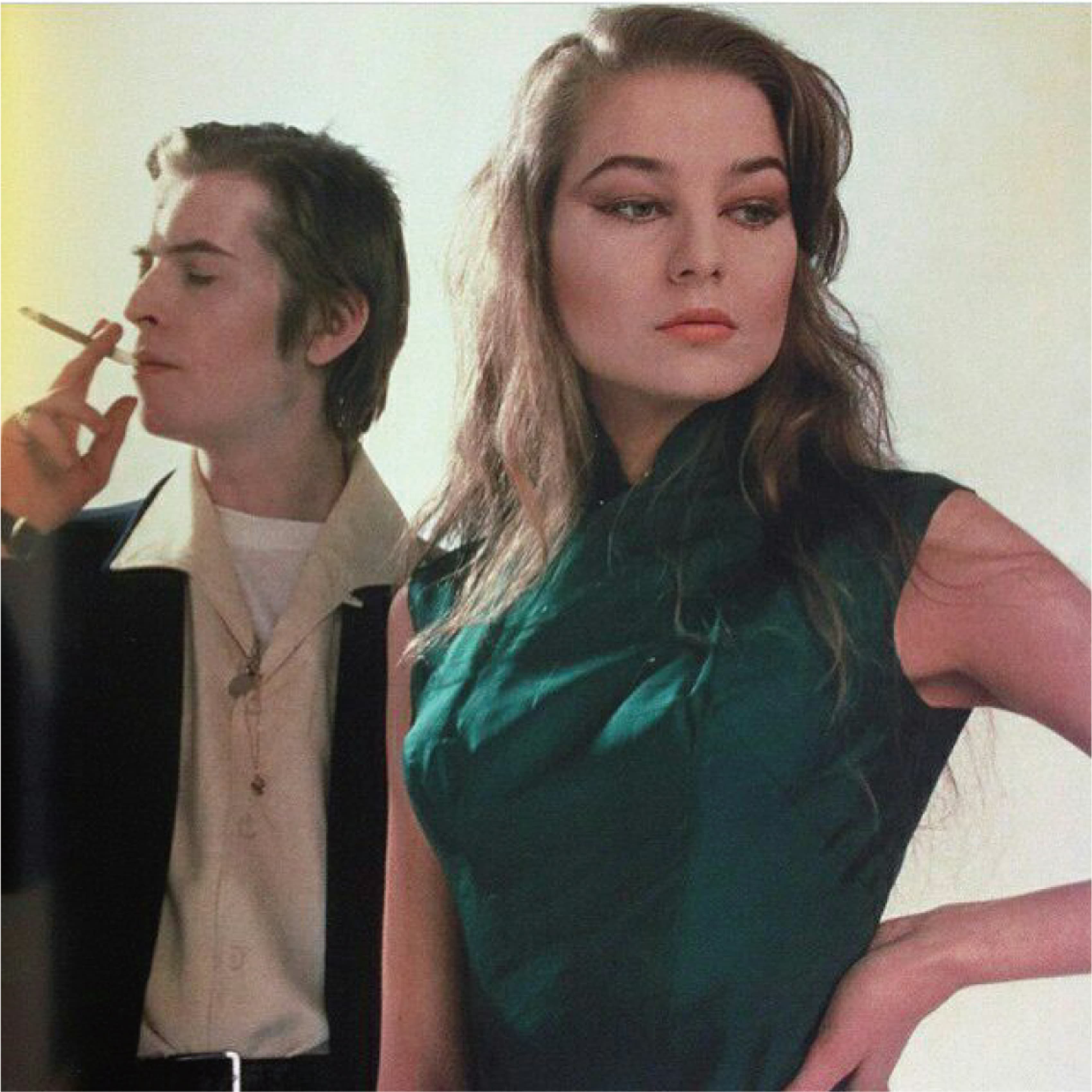
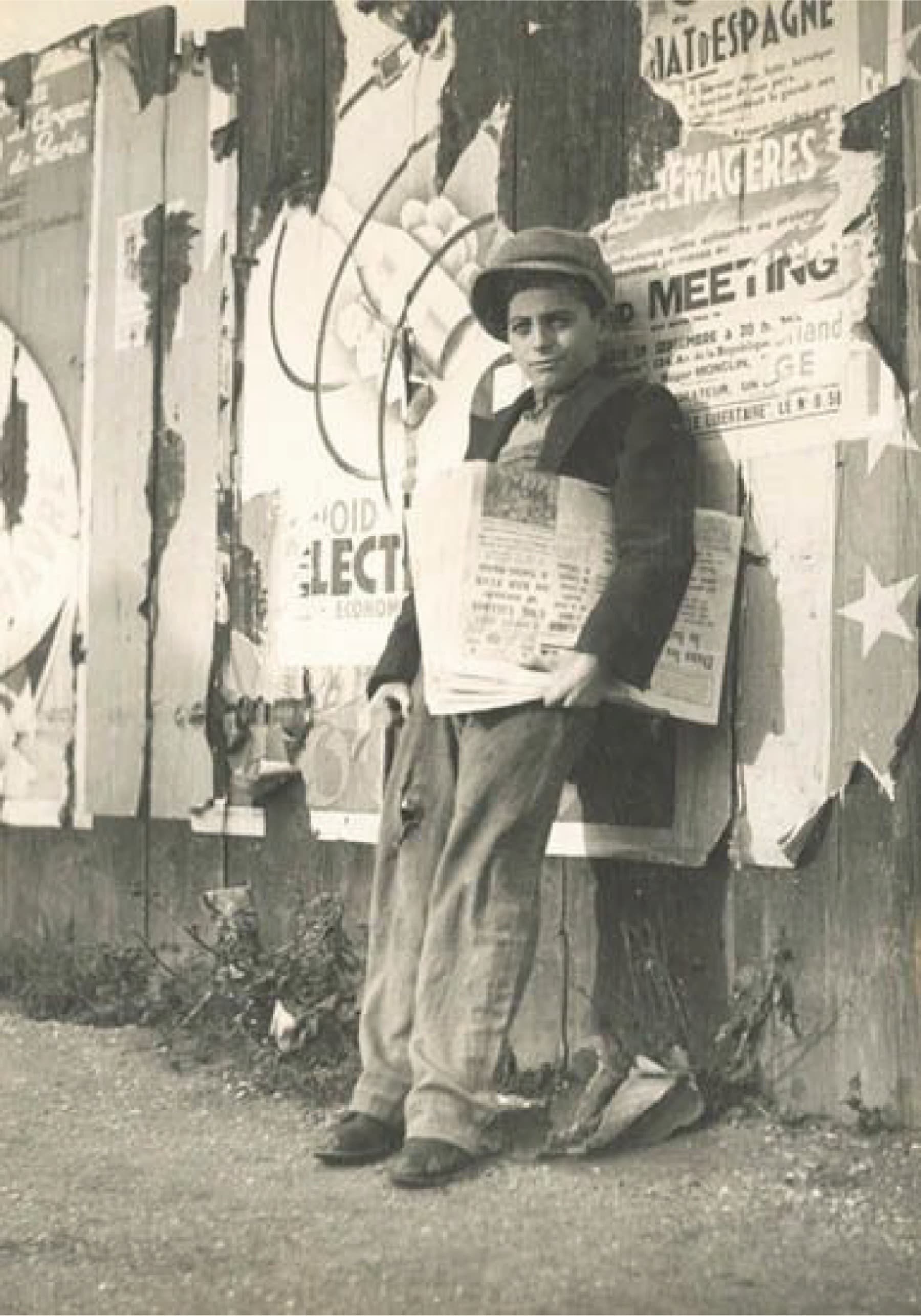
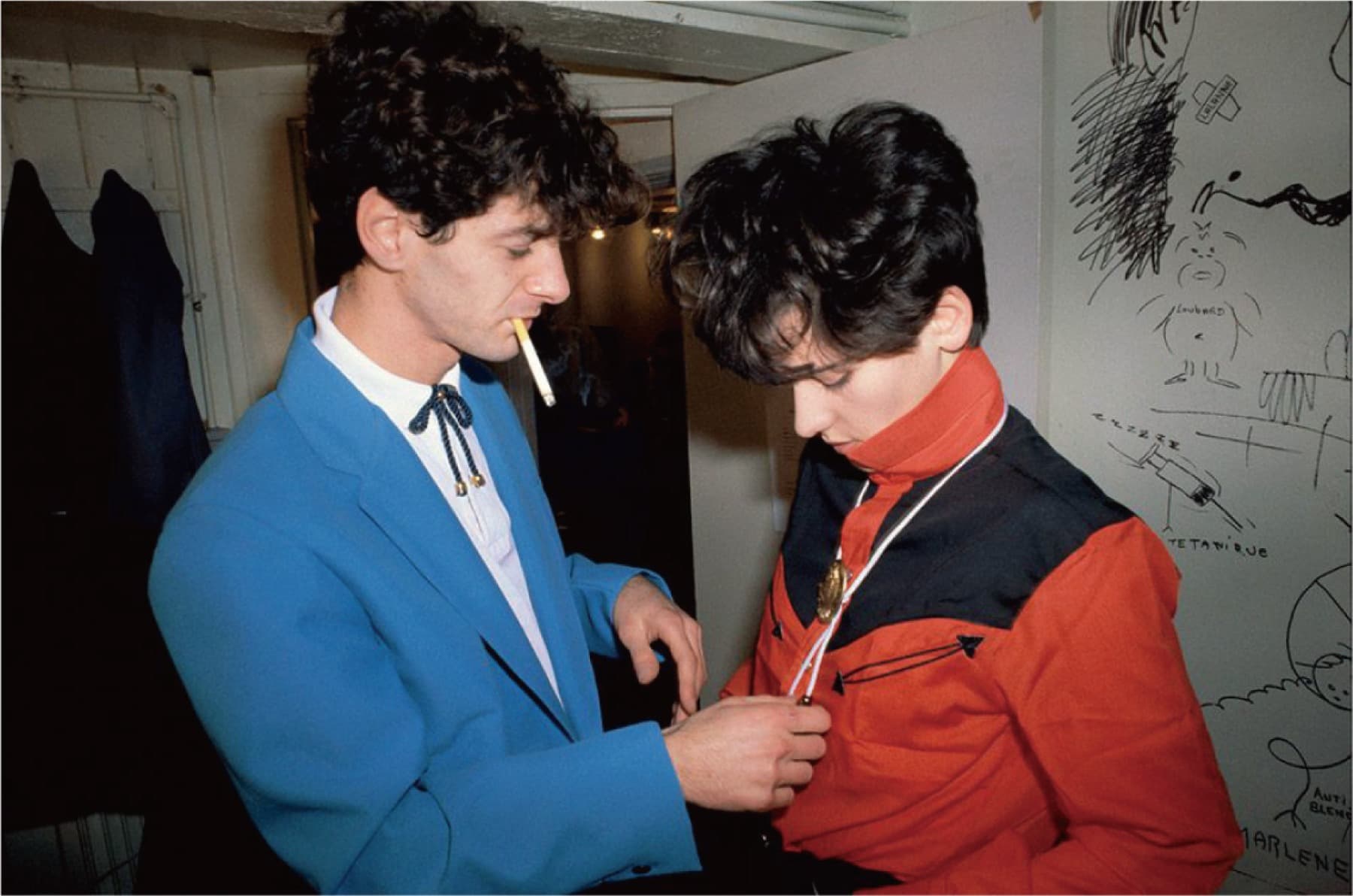
Jeunes Gens Modernes, meaning ‘modern young people’, captured the spirit of a generation that rejected convention in favour of individuality. Emerging from the cultural energy of late-1970s and early-1980s France, the movement brought together music, art, nightlife, and fashion, creating a distinct visual language shaped by experimentation and attitude.
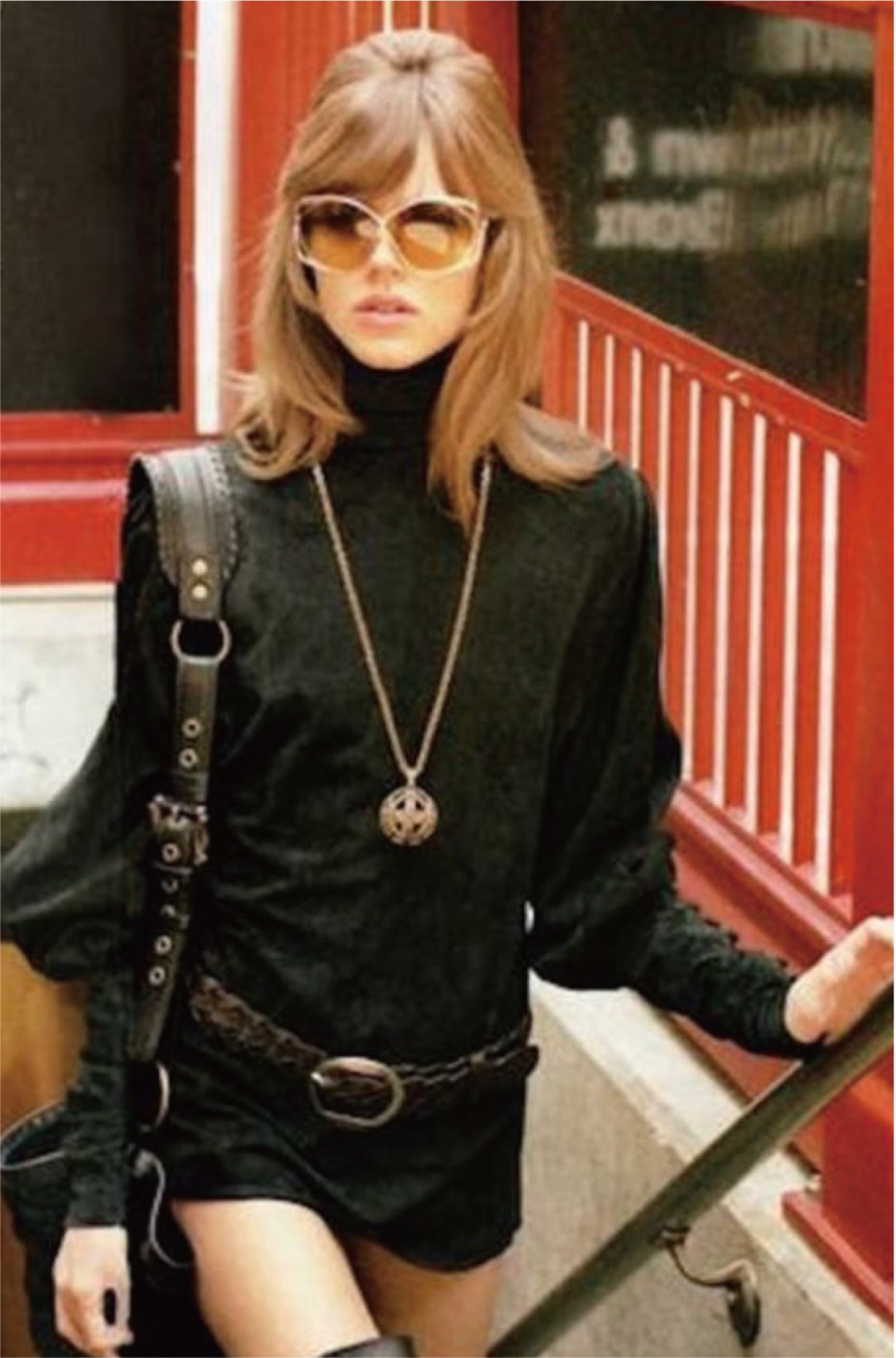
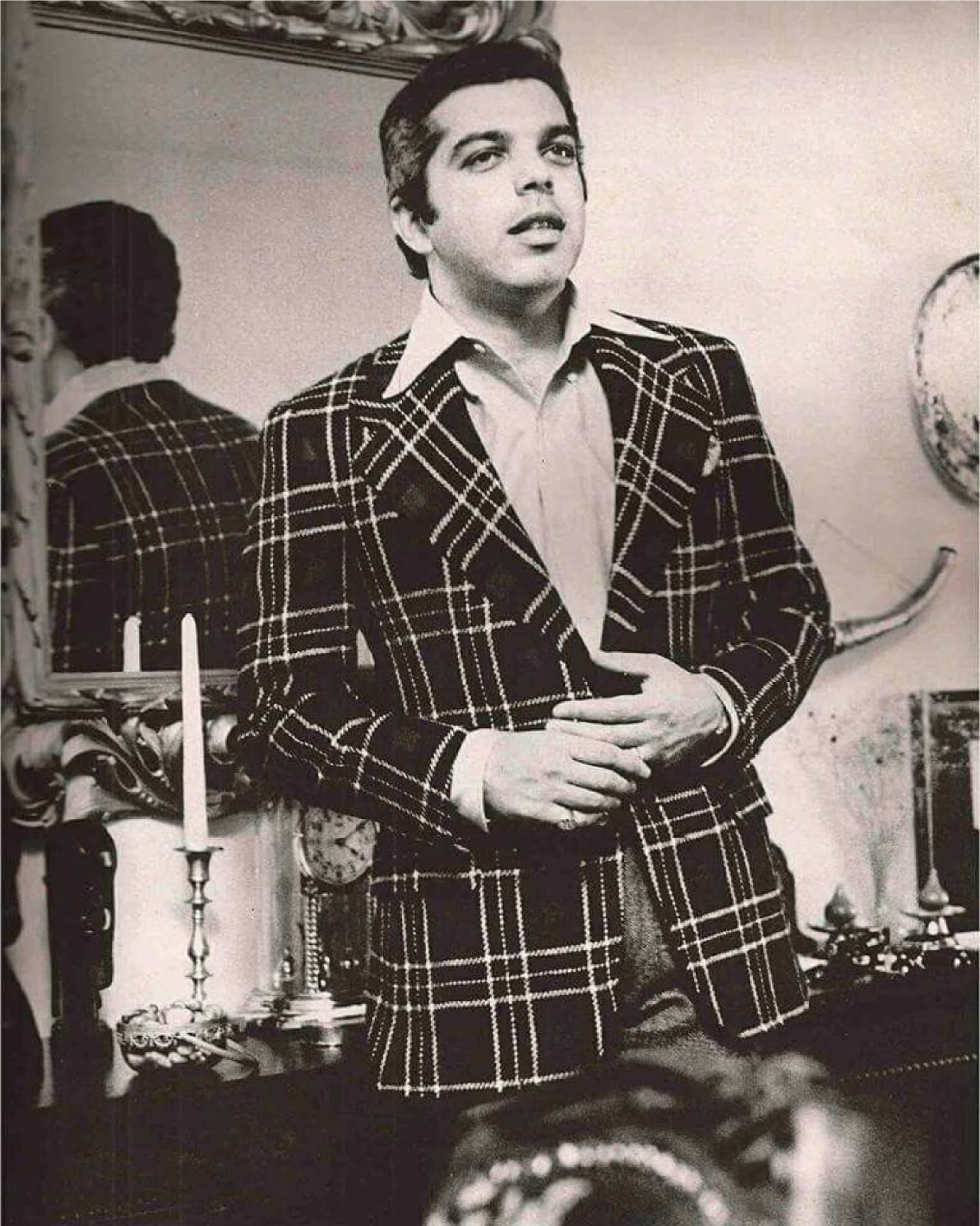
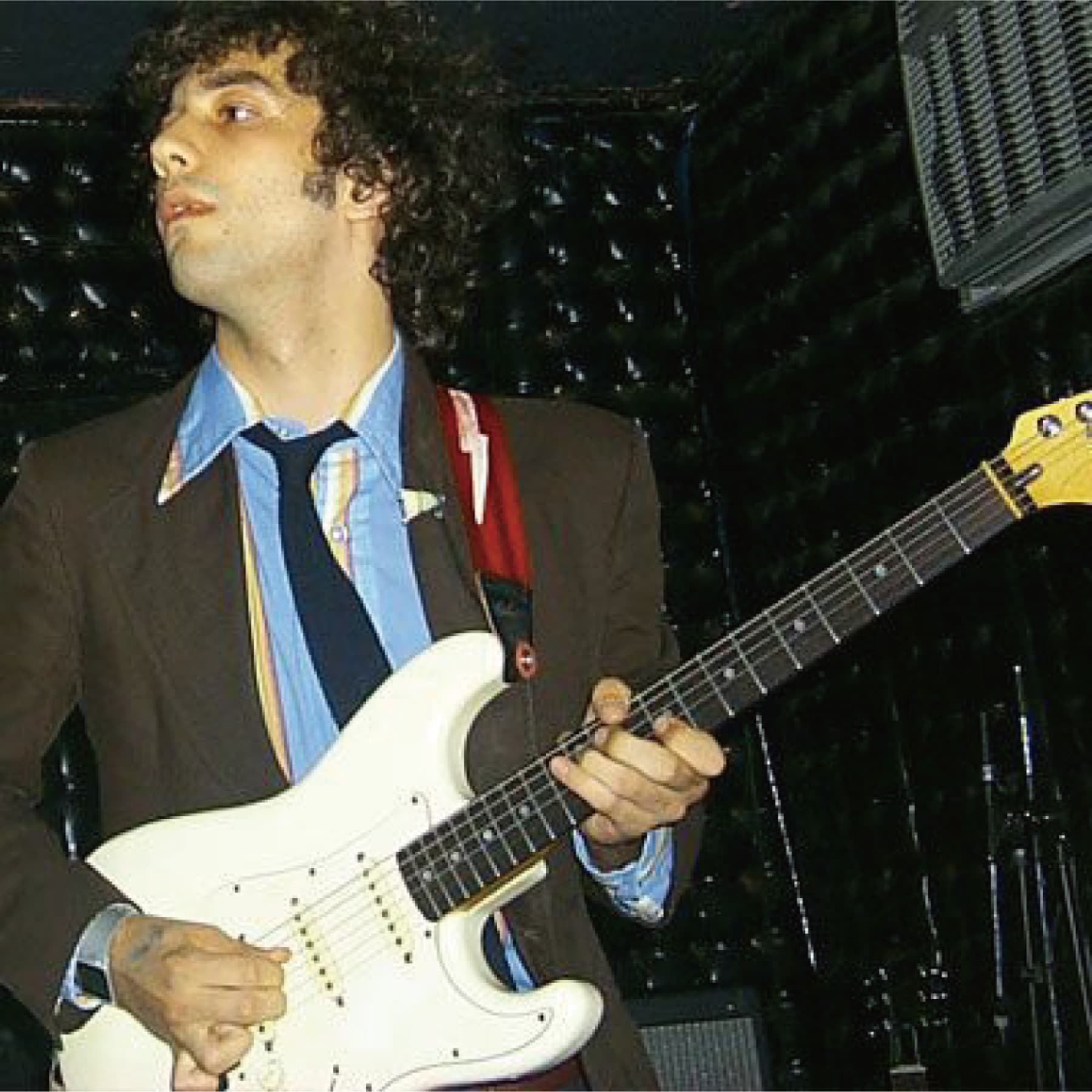
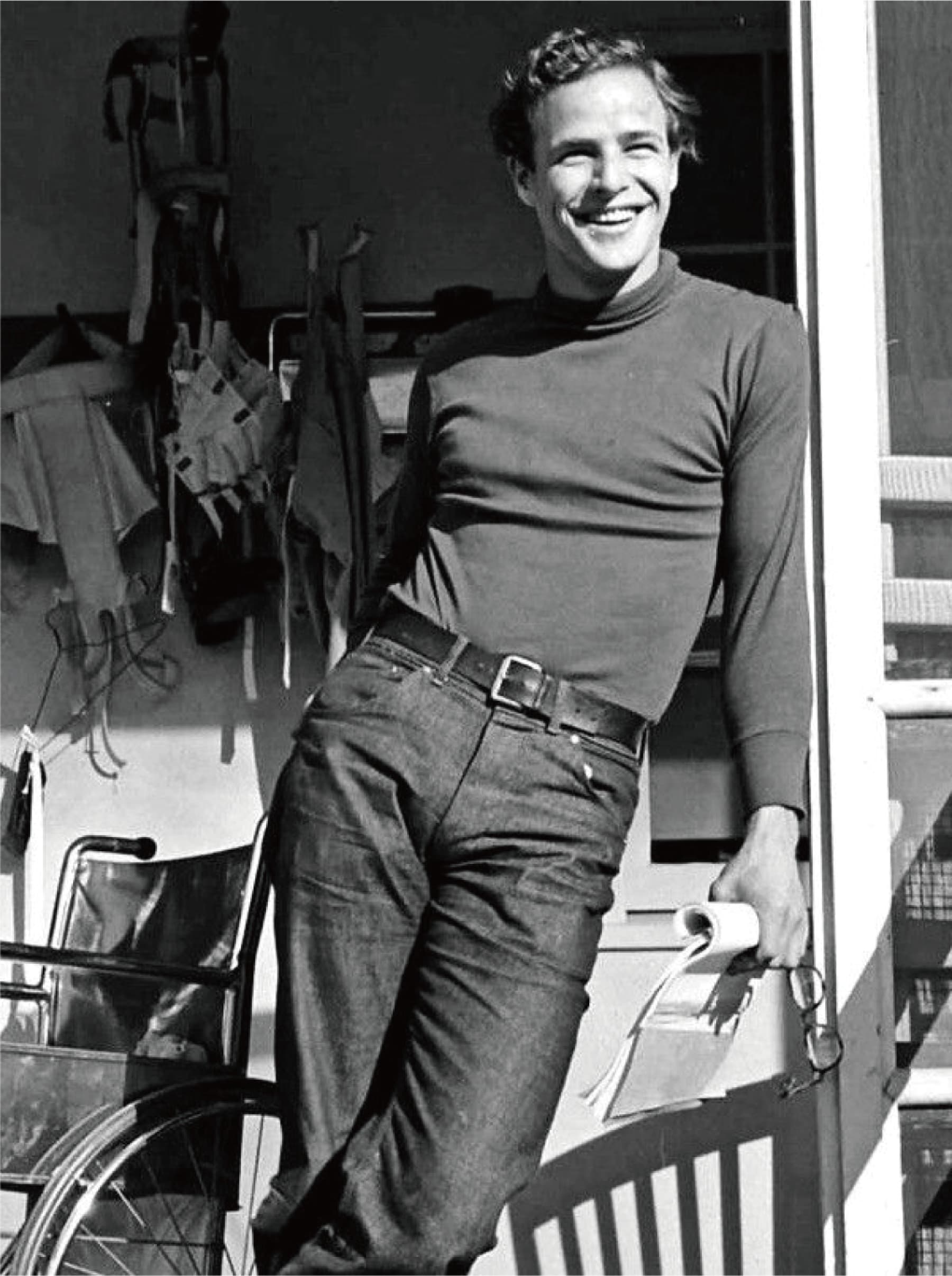
Their style was defined by contrast: sharp tailoring alongside oversized silhouettes, dark colours against vivid accents, and polished fabrics mixed with worn textures. Leather, wool, denim, and knitwear became tools of self-expression, while the influence of punk and new wave encouraged a more androgynous and unconventional approach to dressing.
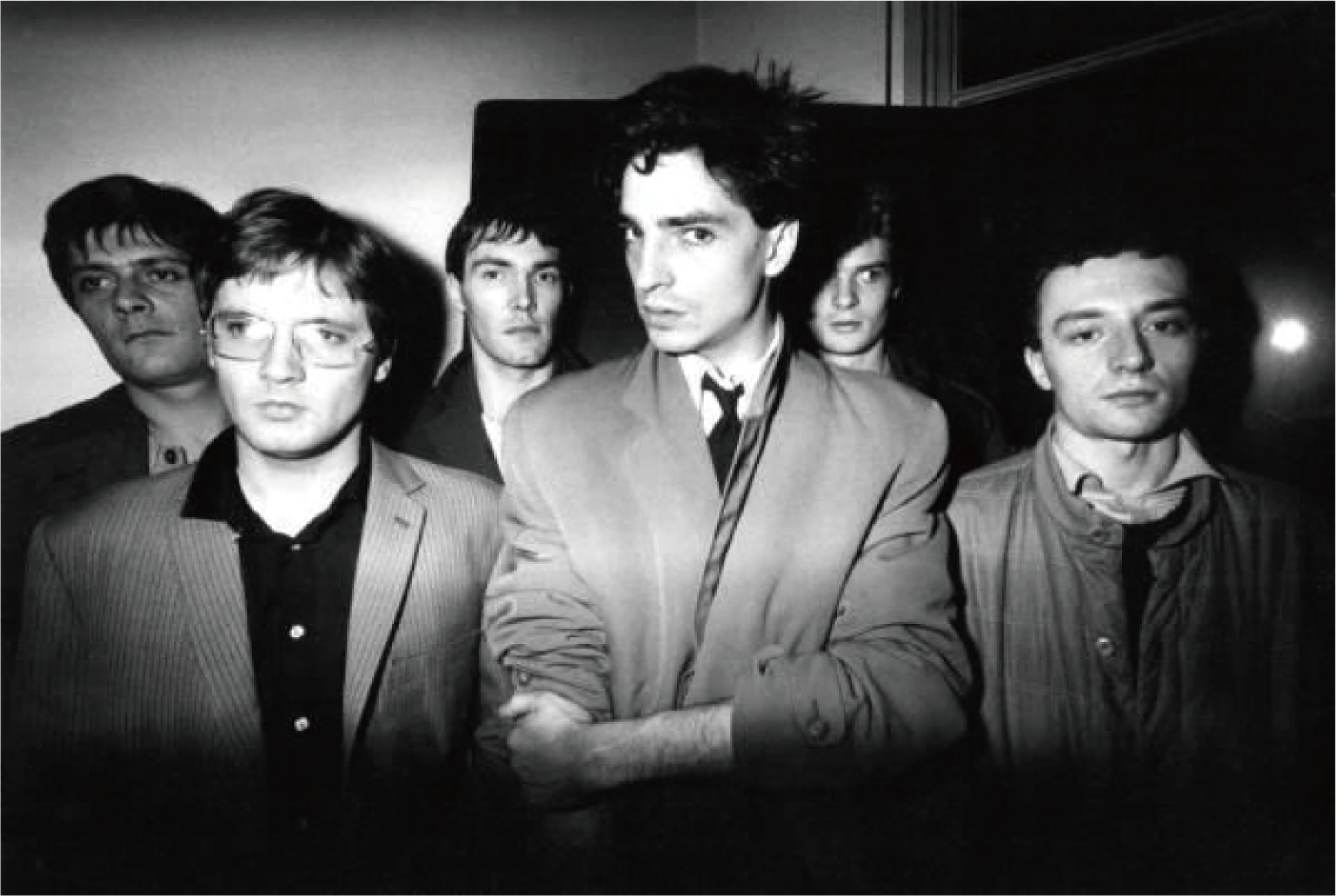
More than a passing trend, Jeunes Gens Modernes reflected a new attitude toward personal style. Clothing became a way to communicate identity without following a fixed uniform, proving that modern elegance could exist in tension between refinement and rebellion. The movement also reflected a changing relationship between music and fashion. Clubs became spaces where young people shaped their identities through sound, clothing, and social attitude, while designers and musicians increasingly influenced one another. In this atmosphere, fashion was not simply something to wear, but part of a wider cultural language—one that expressed independence, creativity, and a desire to break away from the expected.