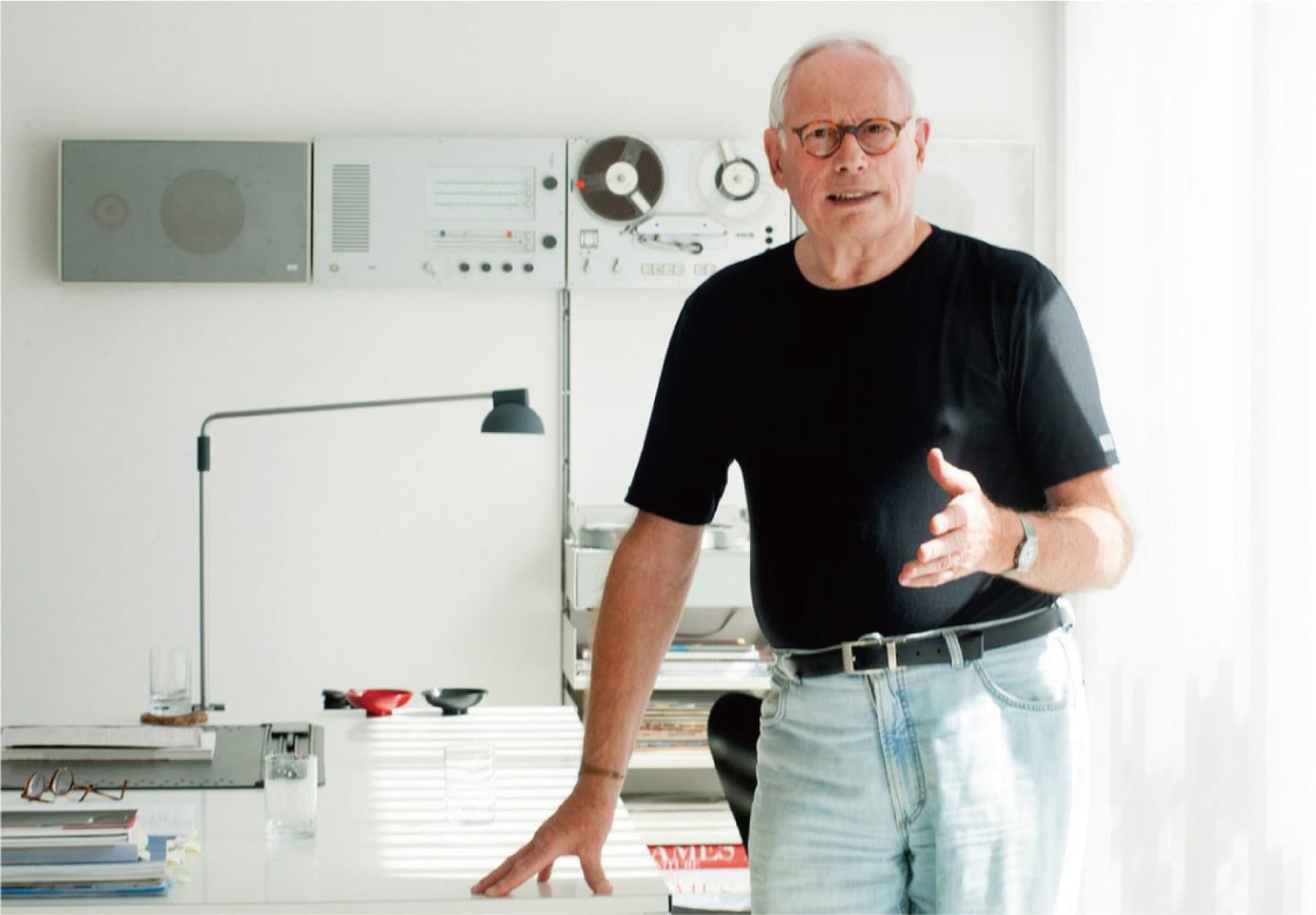
DIETER RAMS
Dieter Rams approached design with the restraint of a tailor. At Braun, the objects he created—radios, record players, calculators—were reduced to their essential forms, much like a well-cut suit whose quality is revealed through proportion rather than ornament. His preference for clear lines, balanced surfaces, and honest materials gave his work a quiet confidence. Nothing appeared excessive; every detail seemed to have been considered before being allowed to remain.
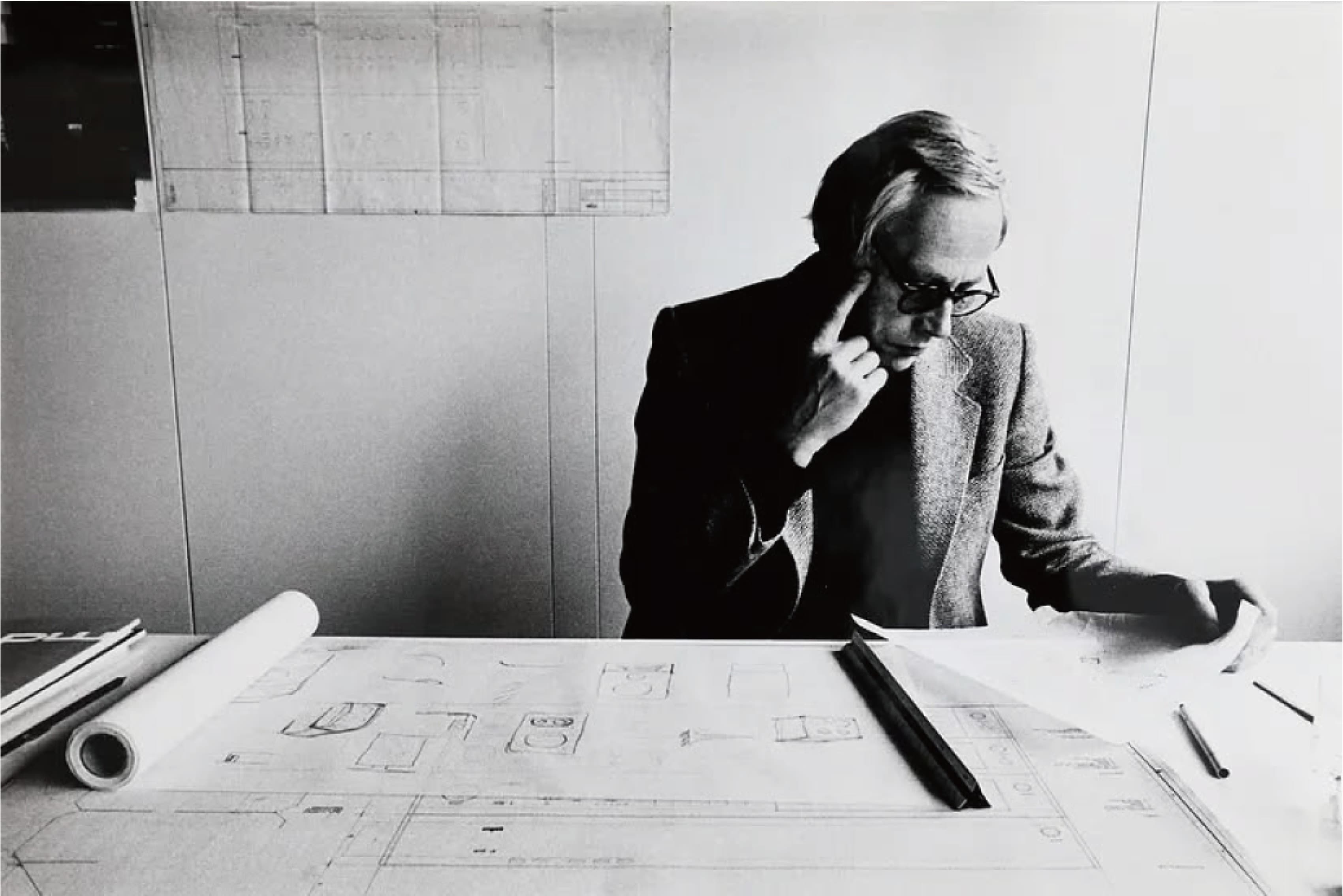
His belief that good design should be as little design as possible was not simply an aesthetic preference. It was a discipline of editing, a way of understanding when to stop. In this sense, his work shares something with traditional tailoring: the finest result often depends on what is carefully controlled—the weight of a fabric, the fall of a trouser, the structure of a shoulder, or the space left between details. Rams understood that simplicity was not the absence of character, but the result of precision.
The influence of his approach extends far beyond the objects he designed. His work at Braun established a visual language built on clarity, order, and restraint, influencing generations of designers who followed. What remains striking is how little his principles depend on a particular period or trend. His designs continue to feel relevant because they were never intended to follow fashion. Instead, they were shaped around a deeper understanding of function, proportion, and the relationship between an object and the person who uses it.