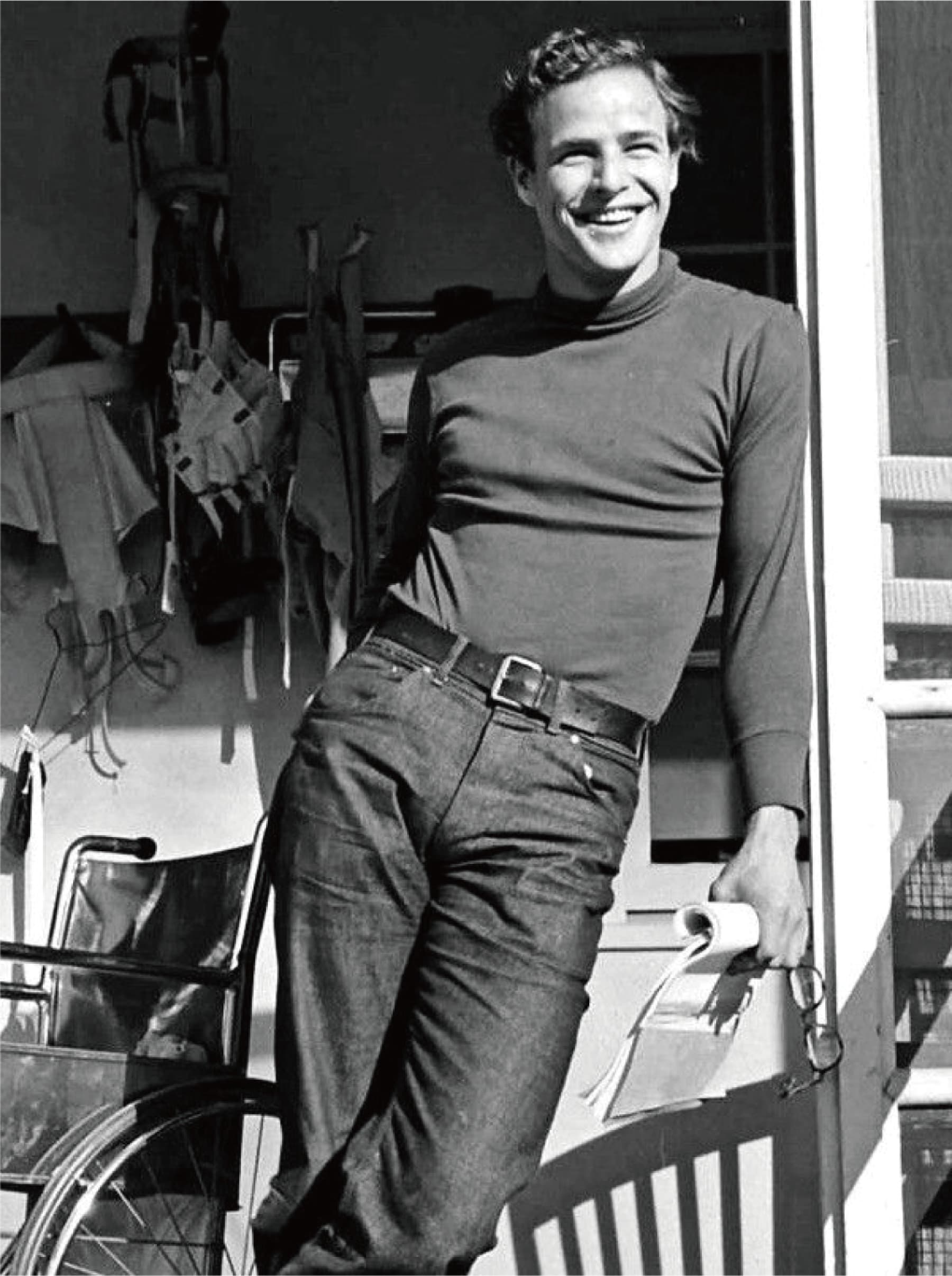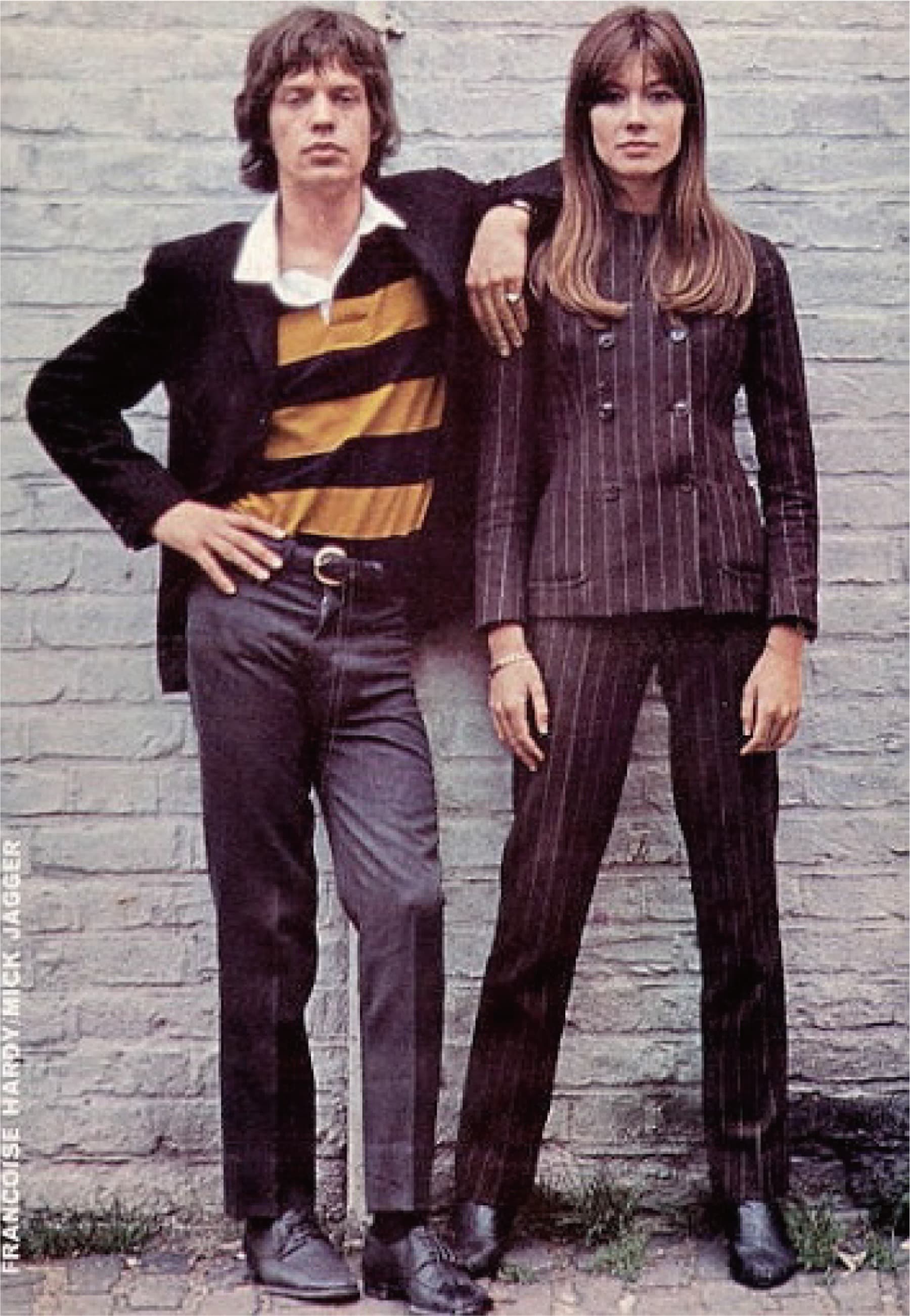
BLAZERS
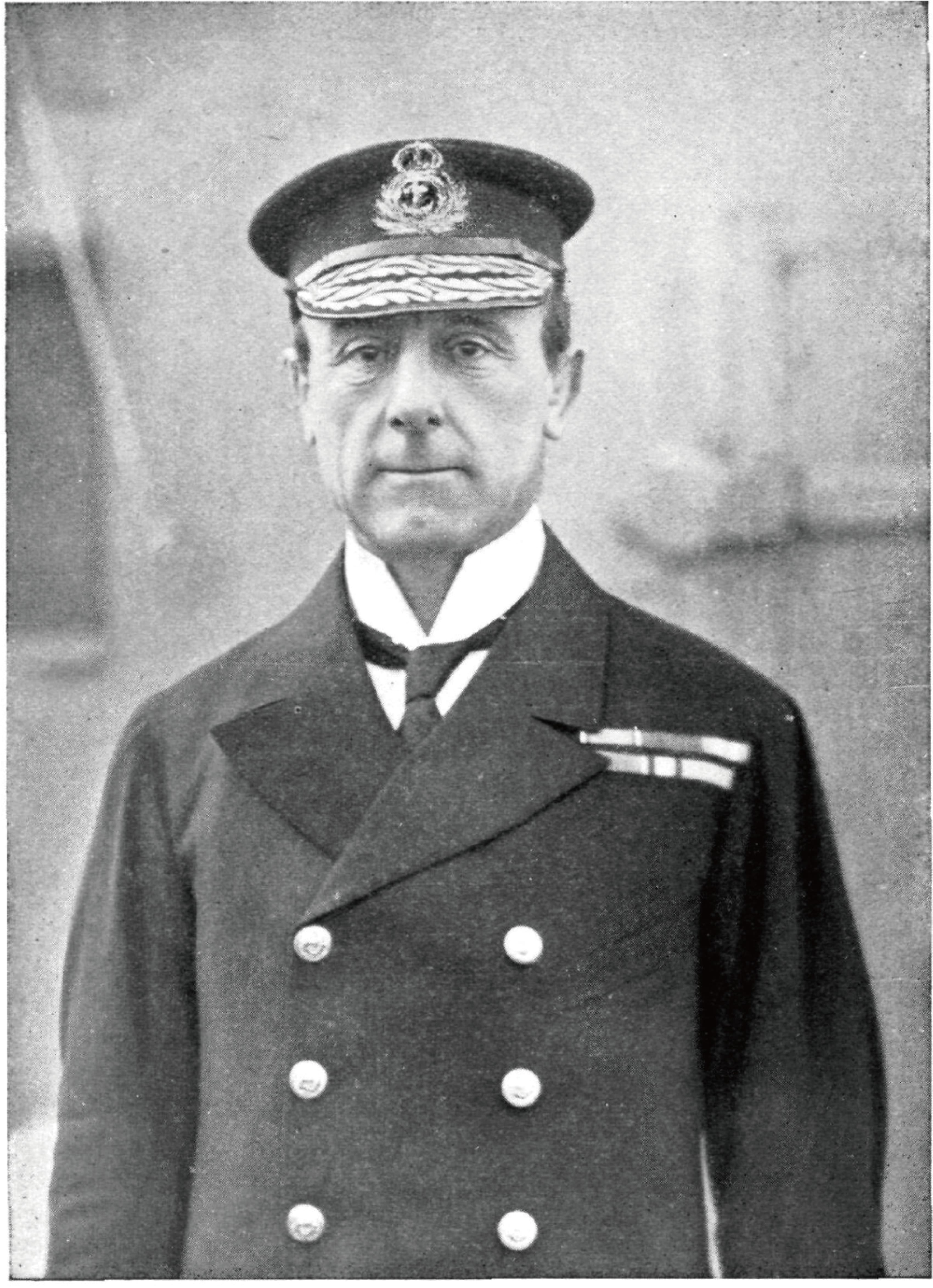
The blazer originated in nineteenth-century Britain, where it was worn by naval officers, rowing clubs, and prestigious schools as a symbol of identity and tradition. Over time, what began as a distinctive uniform gradually evolved into one of the most versatile garments in menswear. Today, the blazer bridges the gap between formal tailoring and casual dressing while preserving its heritage of structure, elegance, and purpose.
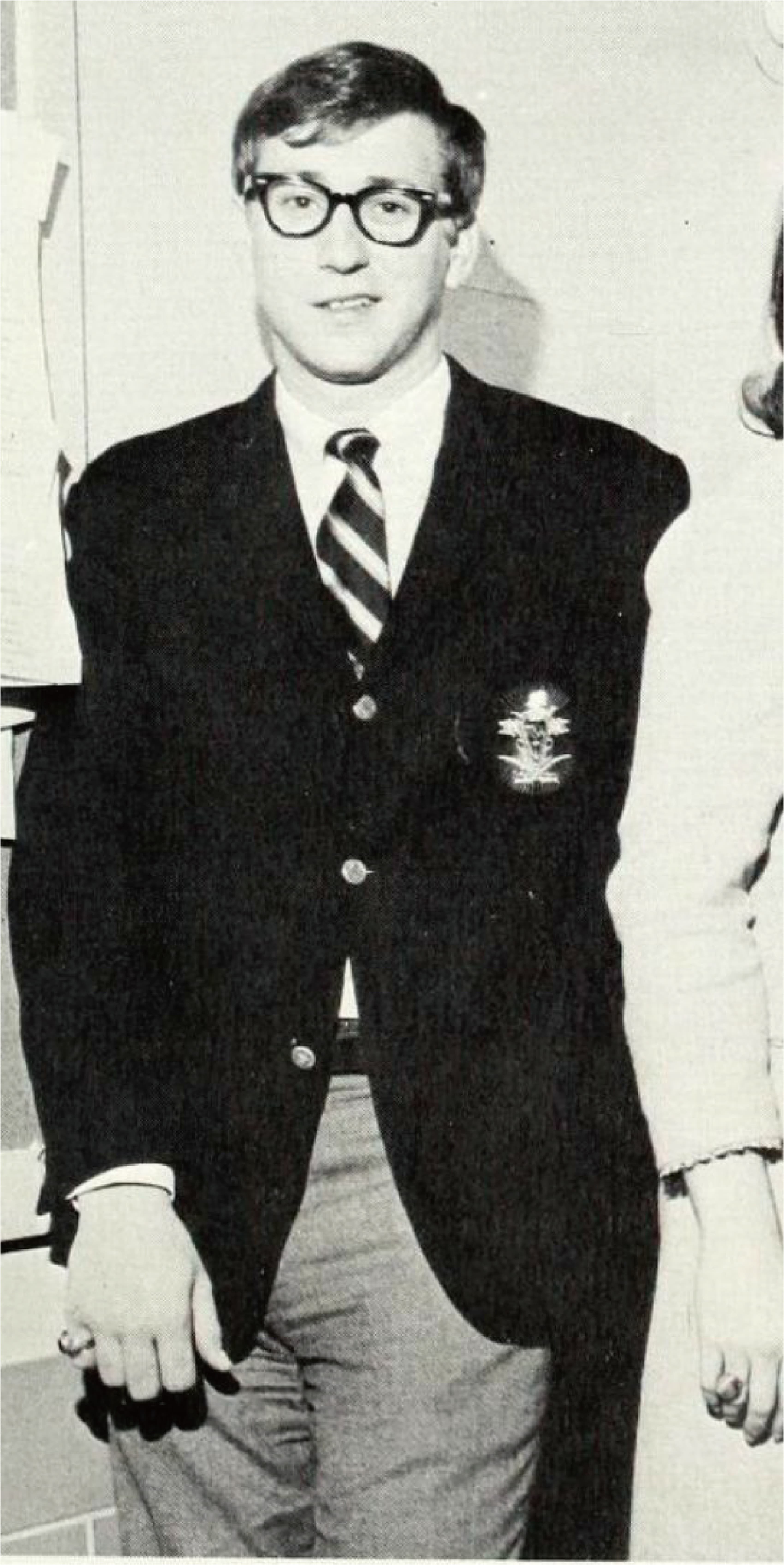
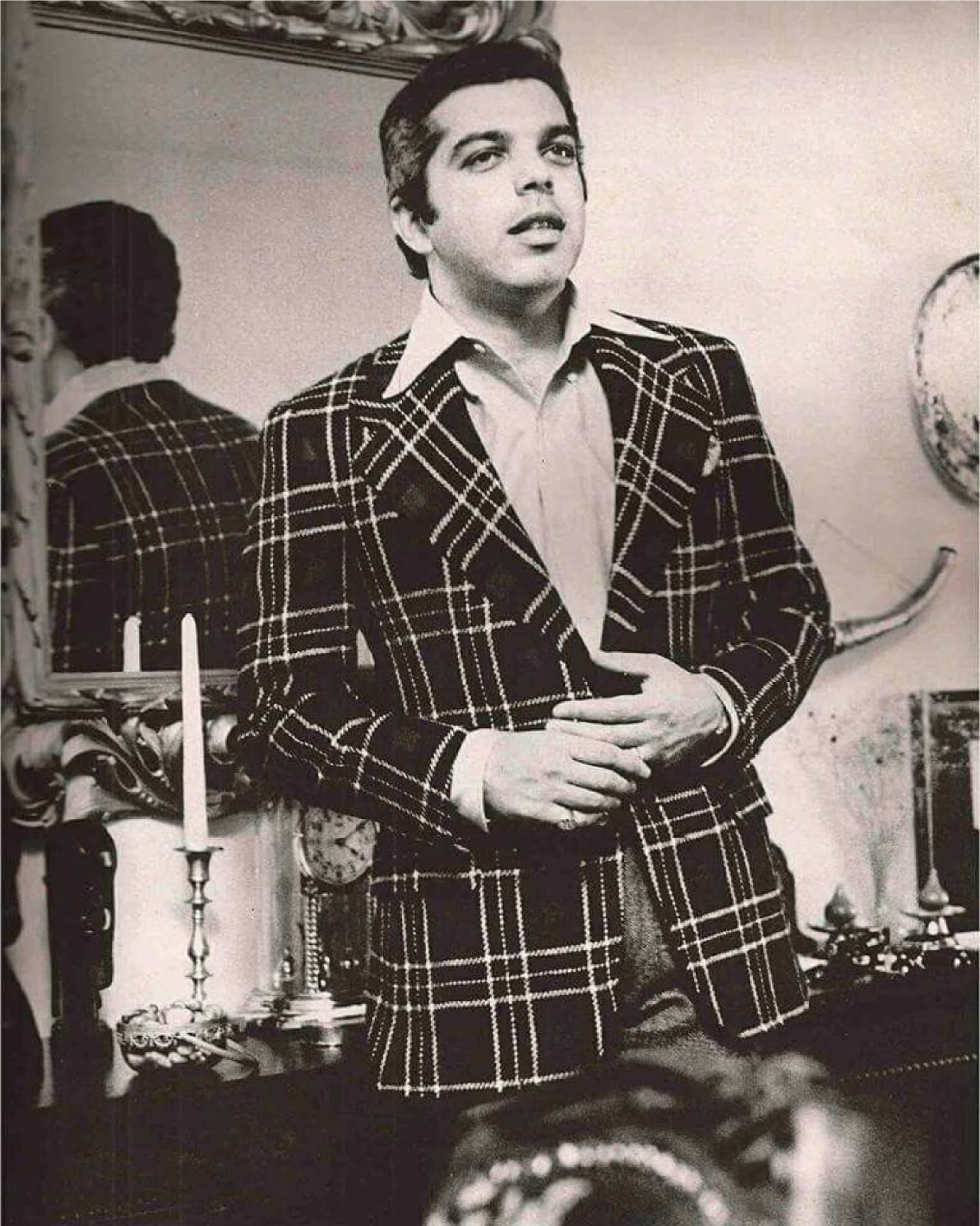
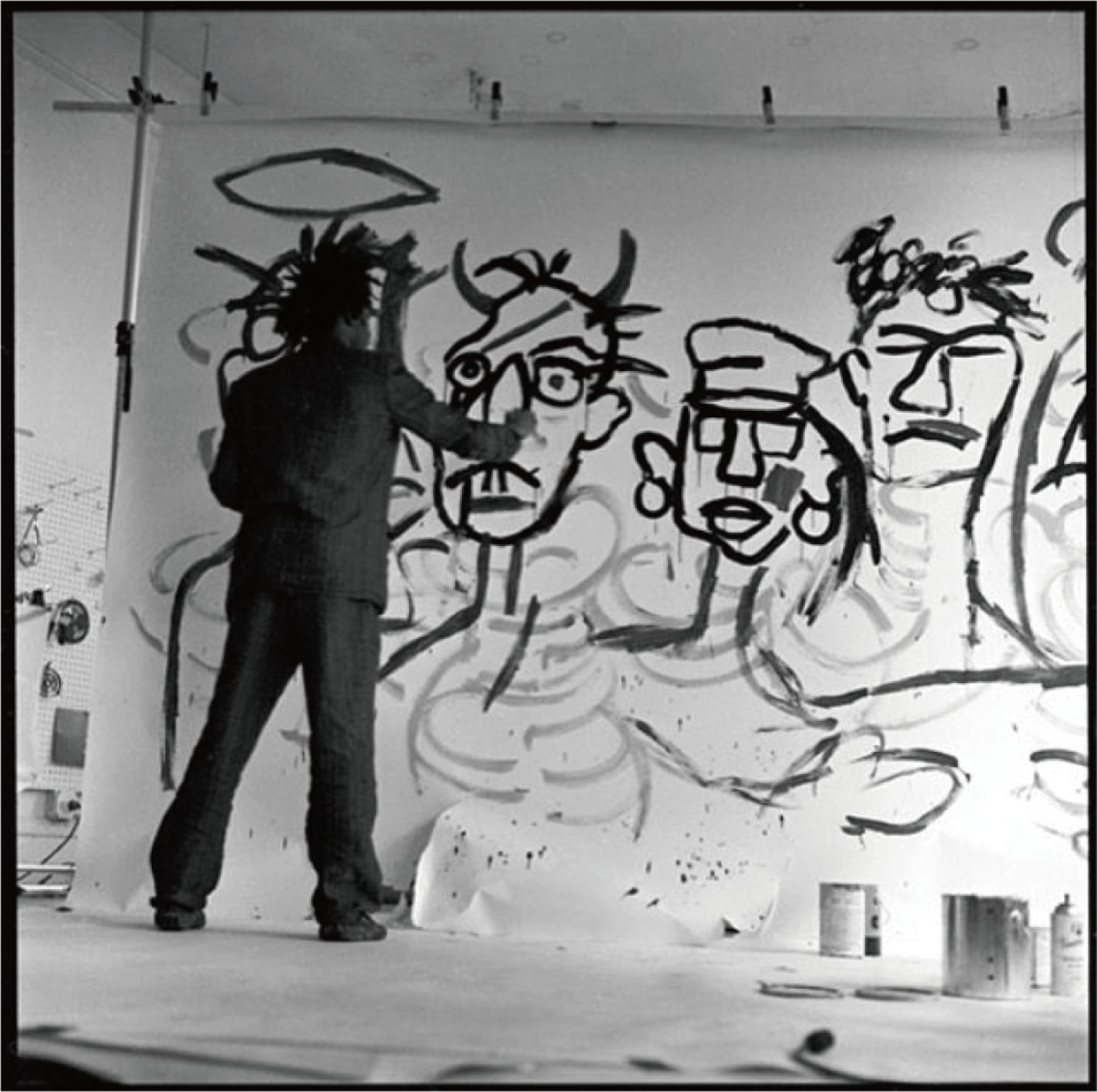
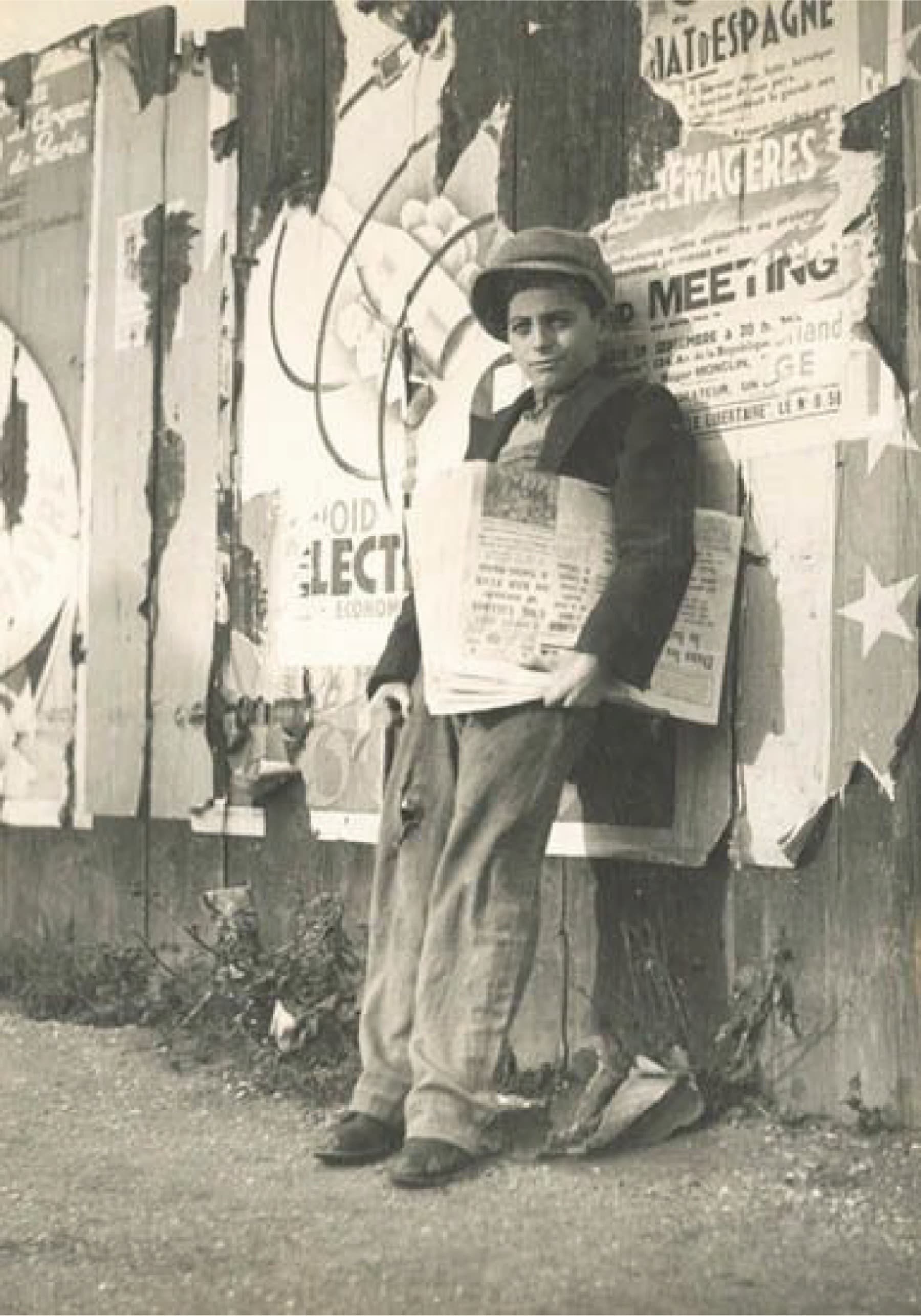
What distinguishes a blazer is its ability to adapt. It has been worn by students, military officers, athletes, artists, and cultural icons, each bringing a different character to the same silhouette. Brass buttons, patch pockets, crest embroidery, and contrasting fabrics became subtle expressions of purpose rather than decoration. Whether worn with tailored trousers, denim, or knitwear, the blazer maintains its unmistakable sense of refinement while allowing personal interpretation.
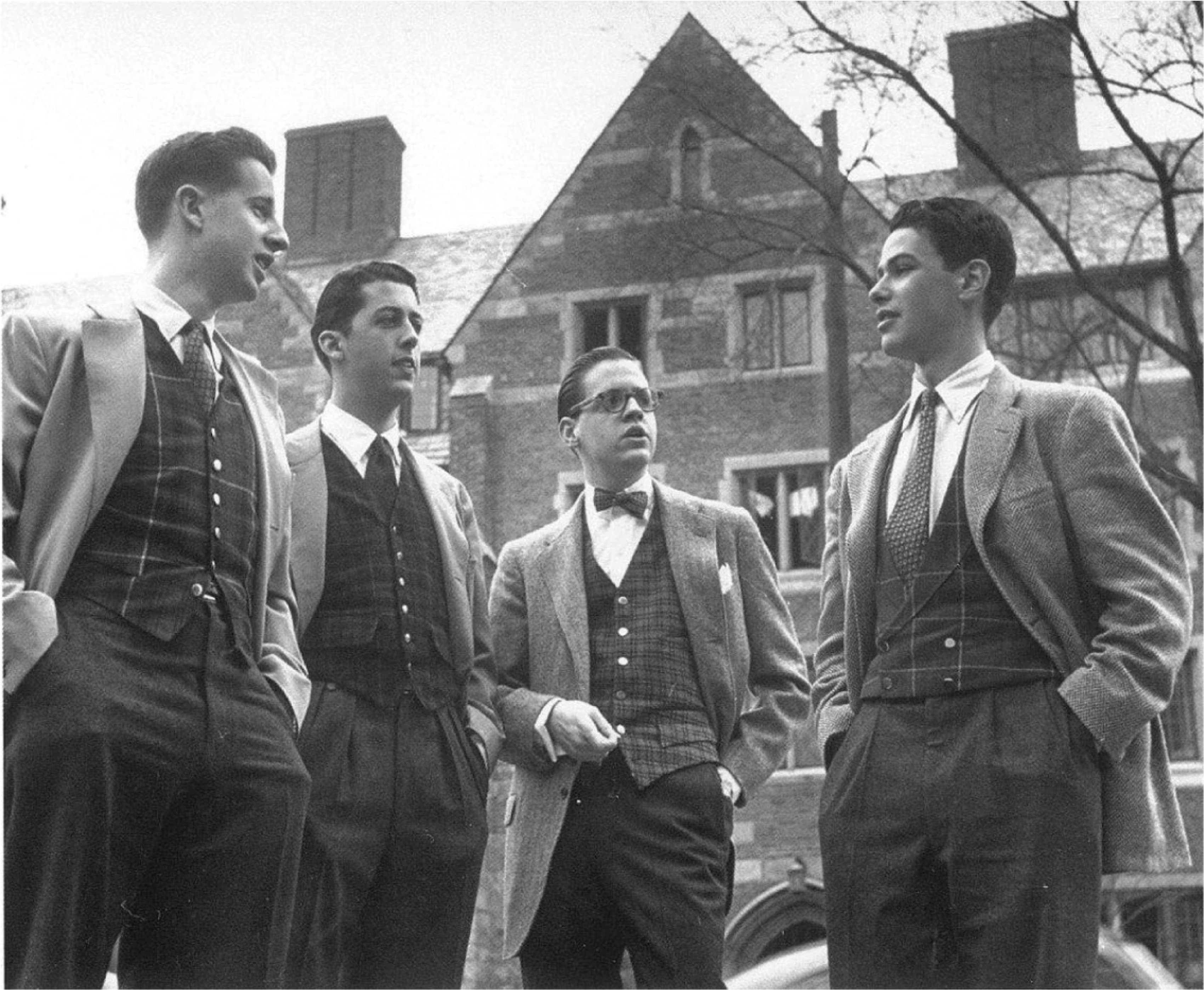
Construction has always been central to the blazer's appeal. A carefully shaped shoulder, balanced lapel, and precisely positioned pockets create a garment that feels structured without appearing rigid. The choice of cloth—from crisp worsted wool to textured hopsack or soft flannel—further defines its personality, offering variations suited to different climates, occasions, and styles. Every detail contributes to a balance between comfort, durability, and timeless proportion. Today, the blazer remains one of the most enduring pieces in menswear. It bridges formal and casual dressing with remarkable ease, reflecting a tradition that continues to evolve rather than fade. More than simply an alternative to a suit jacket, the blazer represents confidence through restraint—an expression of classic tailoring that remains relevant across generations.