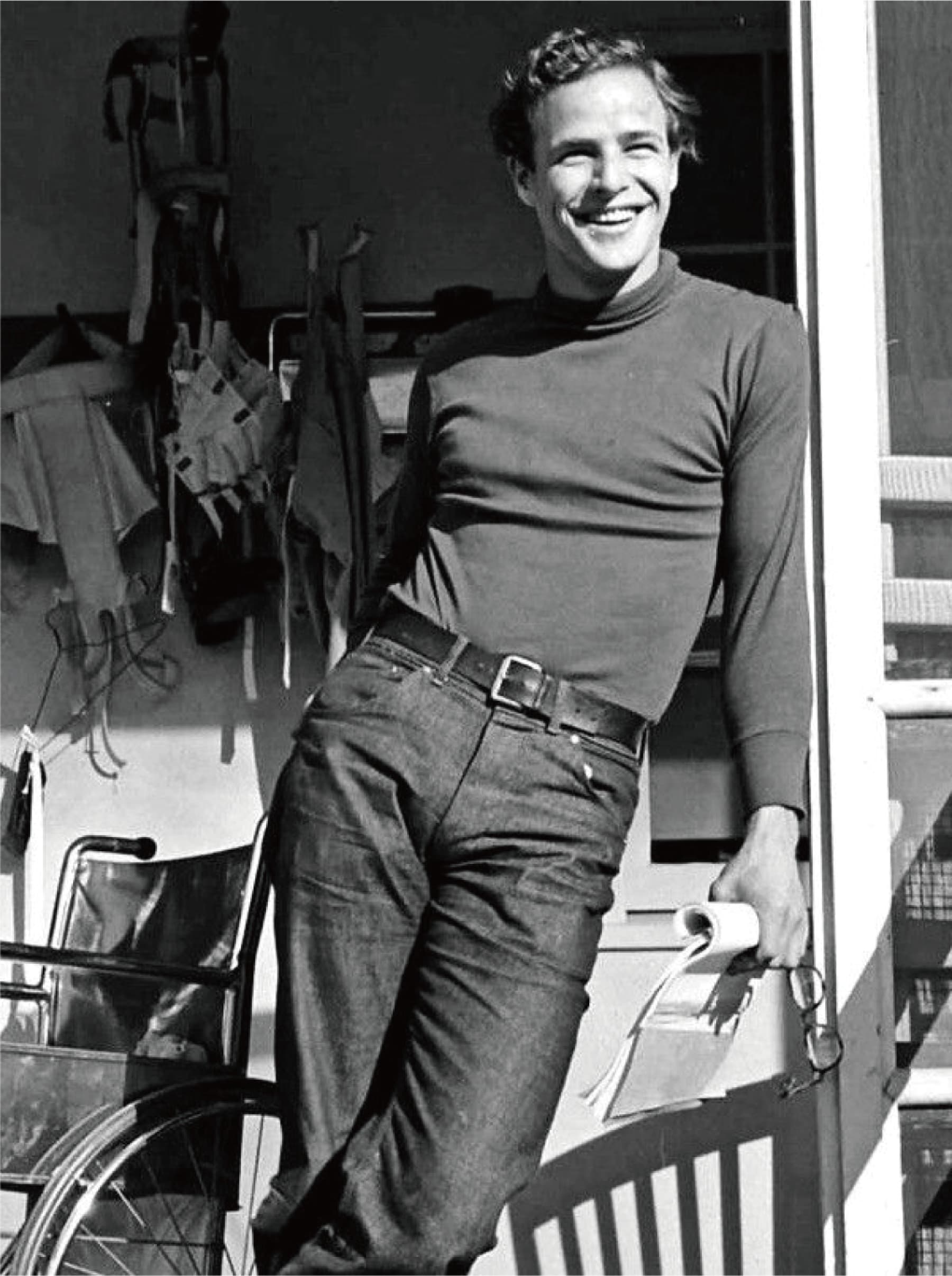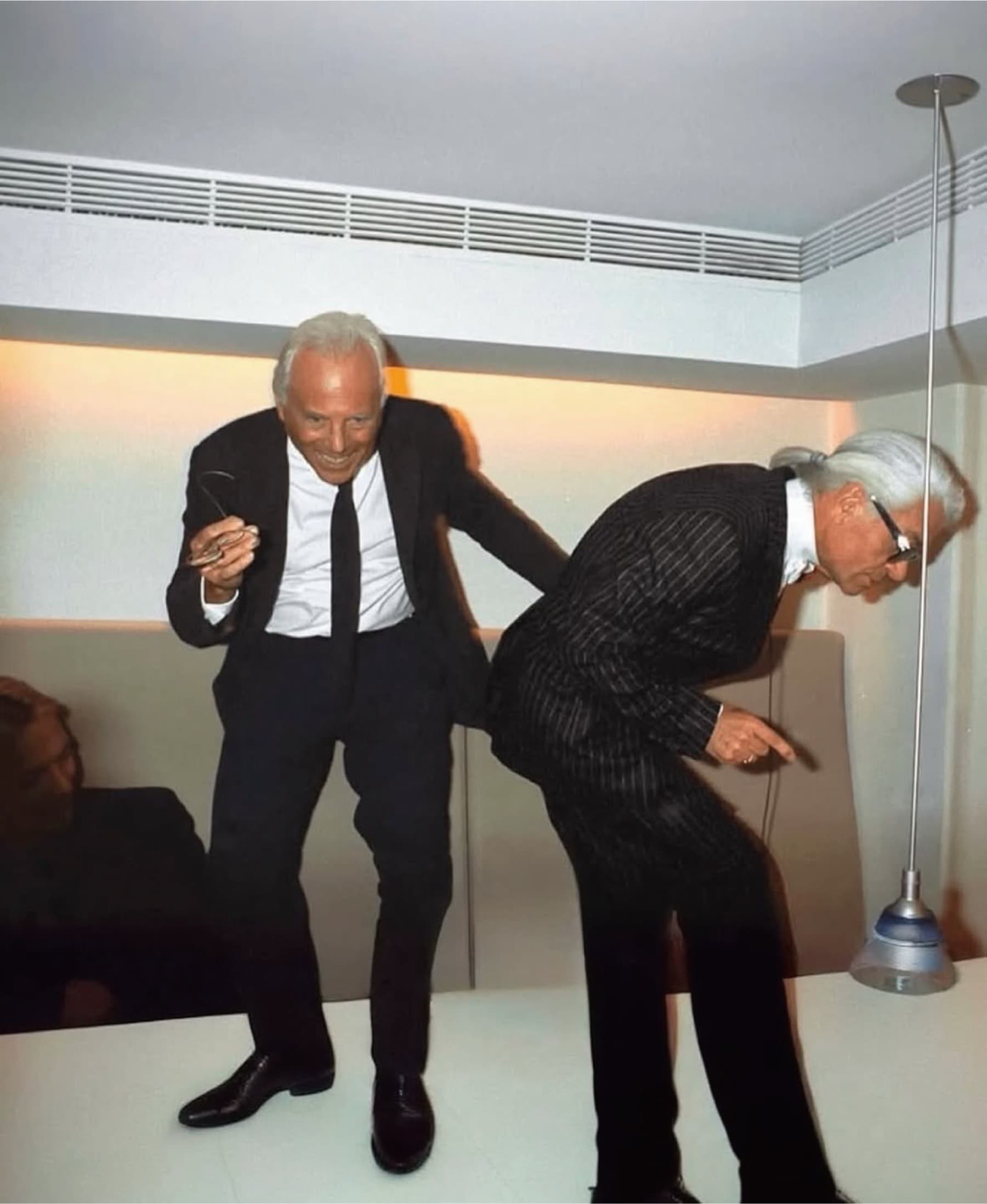
ARMANI
Giorgio Armani transformed modern tailoring through restraint, balance, and an instinctive understanding of the body. Rather than relying on excess, his designs found elegance in refined silhouettes, effortless movement, and the quiet character of exceptional materials. His philosophy suggests that true sophistication is created not by adding more, but by finding harmony between design, craftsmanship, proportion, and fabric.
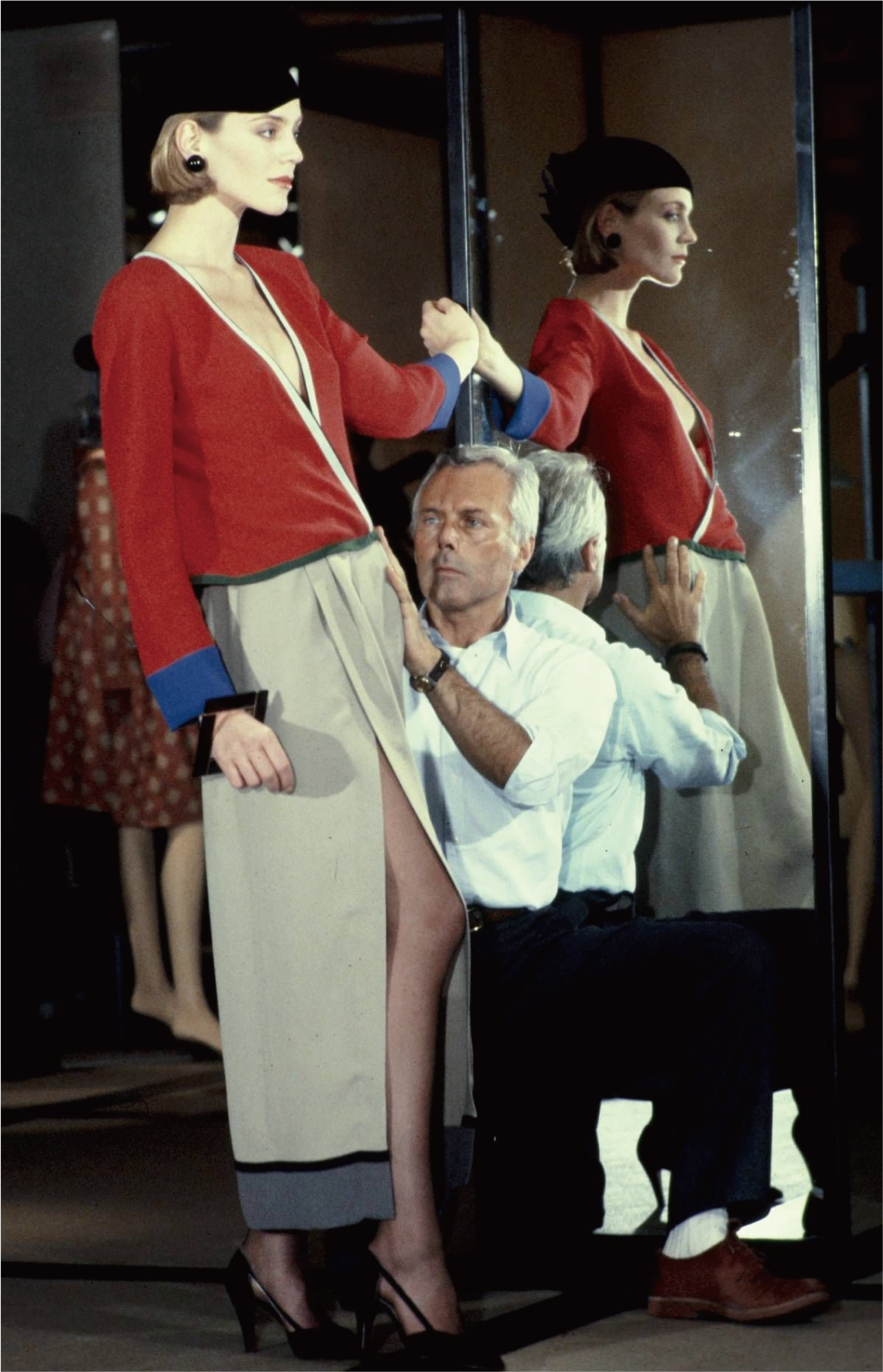
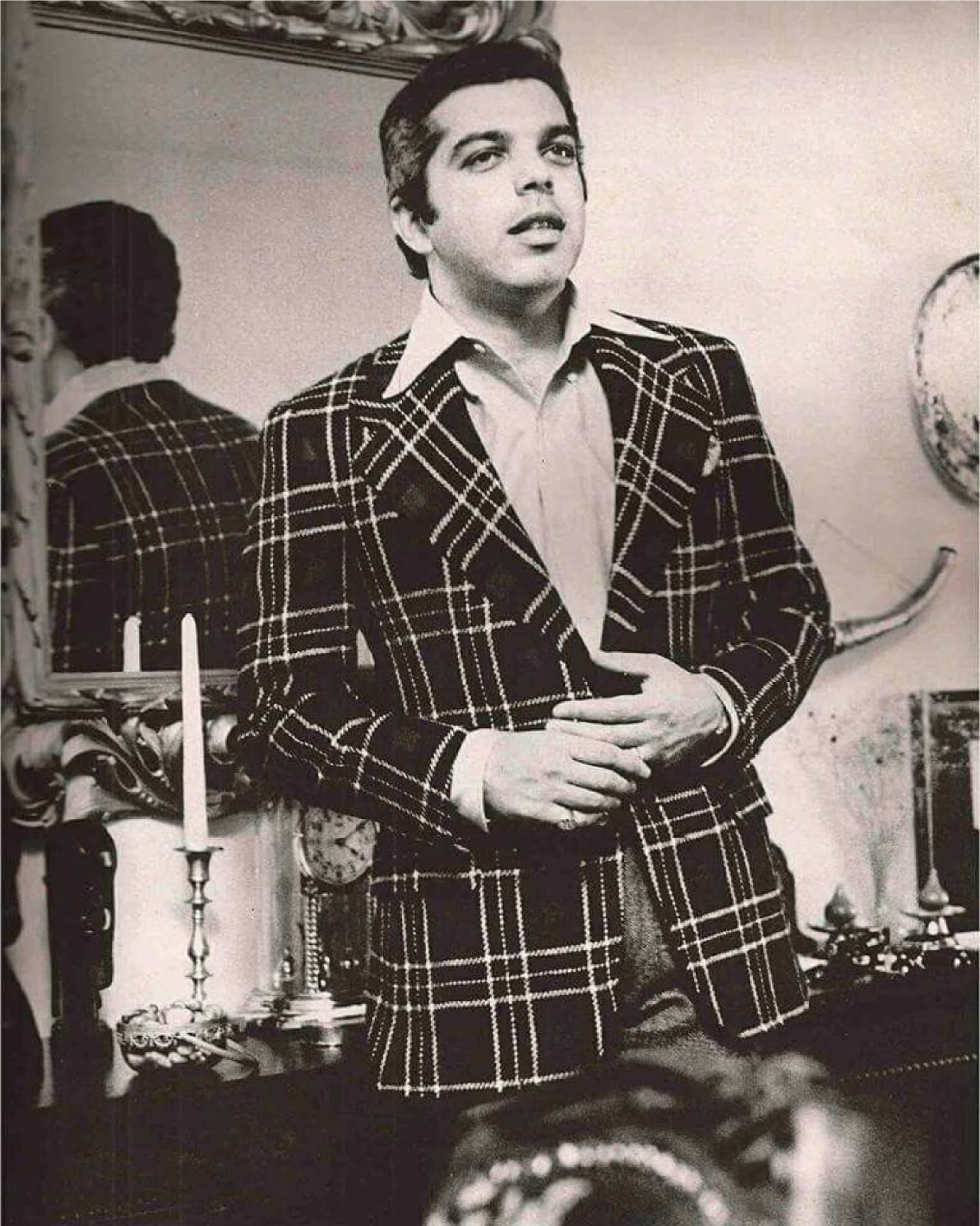
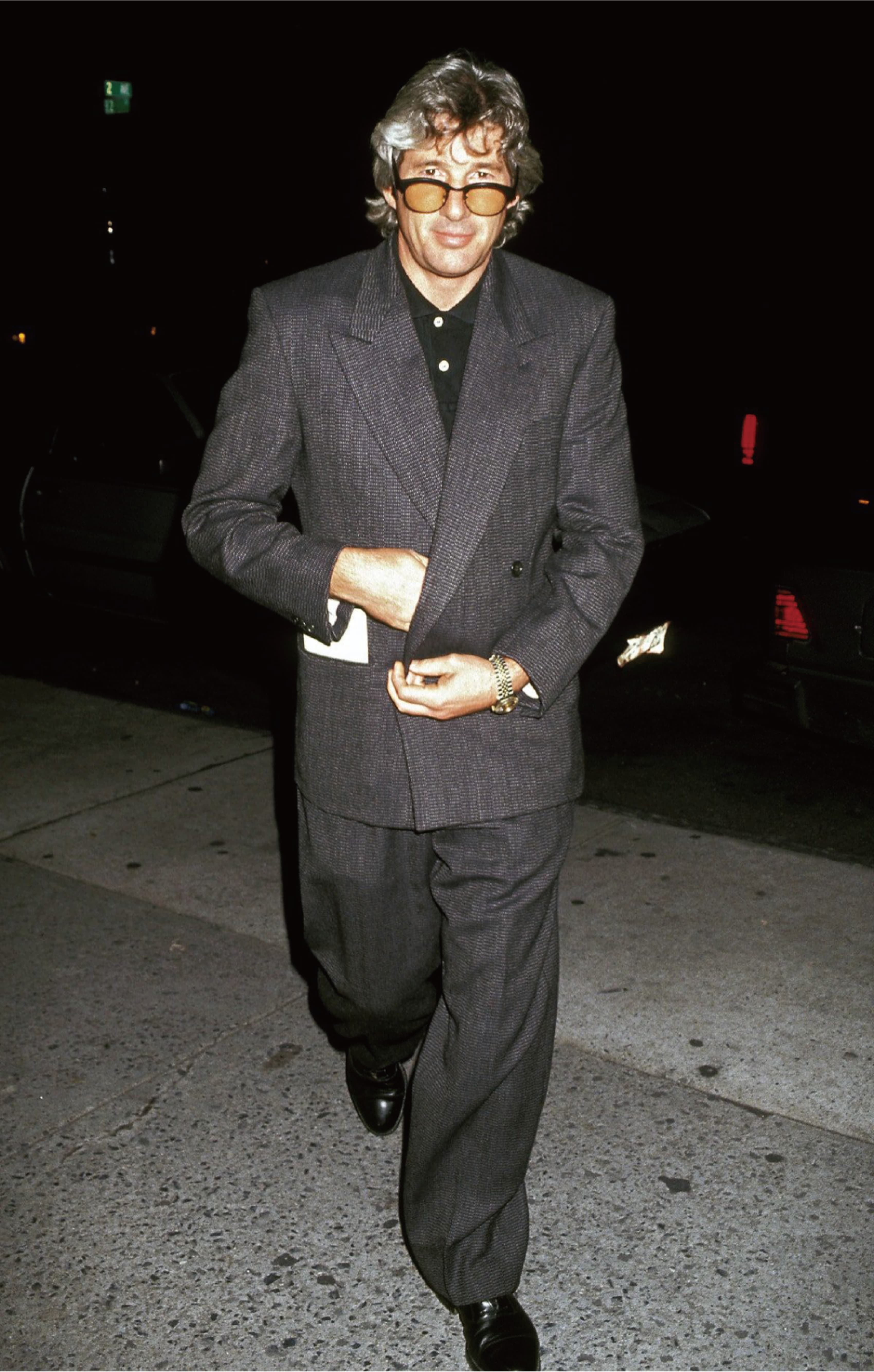
One of Armani’s most influential contributions was the idea of soft tailoring. Moving away from rigid structures and exaggerated shoulders, he introduced jackets that followed the natural movement of the body, allowing tailoring to feel lighter and more relaxed. The suit was no longer simply a symbol of authority; it became a more personal expression of individuality, comfort, and confidence. For Armani, fabric was never merely a surface. The way it reflects light, moves with the body, and feels against the skin is essential to the experience of a garment. Fine wool, cashmere, and fluid textiles give his designs a sense of depth, while carefully considered proportions—from the shoulder line and jacket length to the fall of the trousers—create a natural sense of balance.
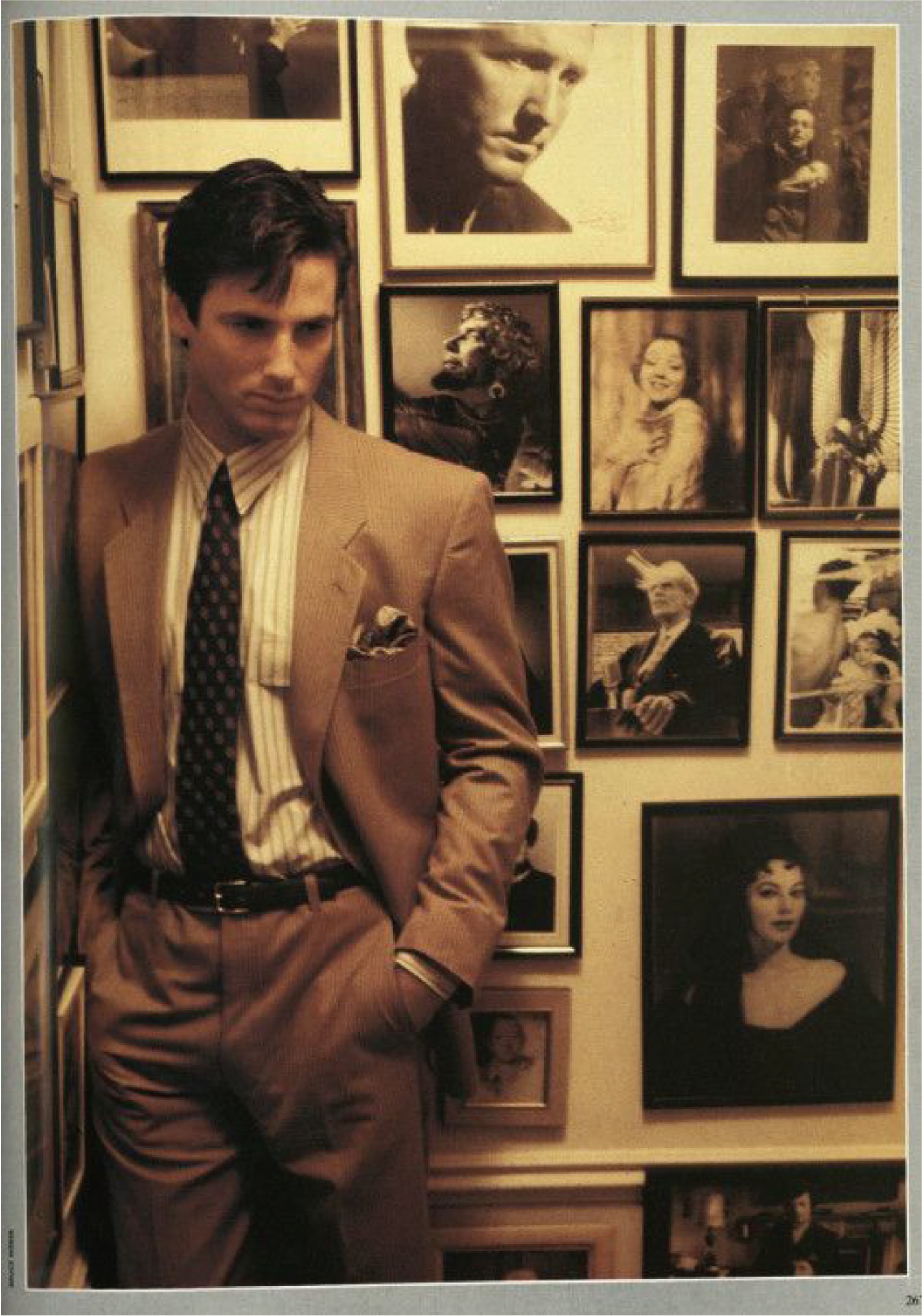
His restrained palette of deep navy, refined grey, black, beige, and brown further defines this quiet approach to elegance. Rather than using colour as decoration, Armani allows subtle tones and rich textures to reveal the character of each garment. In the 1980s, this philosophy offered a new vision of masculinity, replacing rigid power dressing with comfort, movement, and effortless confidence.
Decades later, Armani’s influence continues to shape the language of modern elegance. He never simply repeated tradition, but reinterpreted classic tailoring through a contemporary perspective, creating clothes that feel familiar yet distinctly modern. His lasting legacy lies in a simple belief: great design begins with people, materials, and an understanding of how clothing moves through life.